Home
All Tours Cultural Tours Family Holidays Luxury Tours Camping Road Trips
K2 Treks Trending Treks Trekking Peaks Trekking Holidays All Treks
8000m Peaks 7000m Peaks 6000m Peaks 5000m Peaks
Cycle Touring Eco Tourism Motorcycle Touring Mountain Passes Festivals of Pakistan Ibex Hunting Snow Leopard International Travelers
About Us Vehicles Contact FAQs
EN RU
Hunza Cultural Heritage Tour

Hunza Cultural Heritage Tour

6–8 Days | Baltit Fort, Apricot Orchards & Burusho Traditions

Photo Gallery
A Kingdom Preserved in the Karakoram

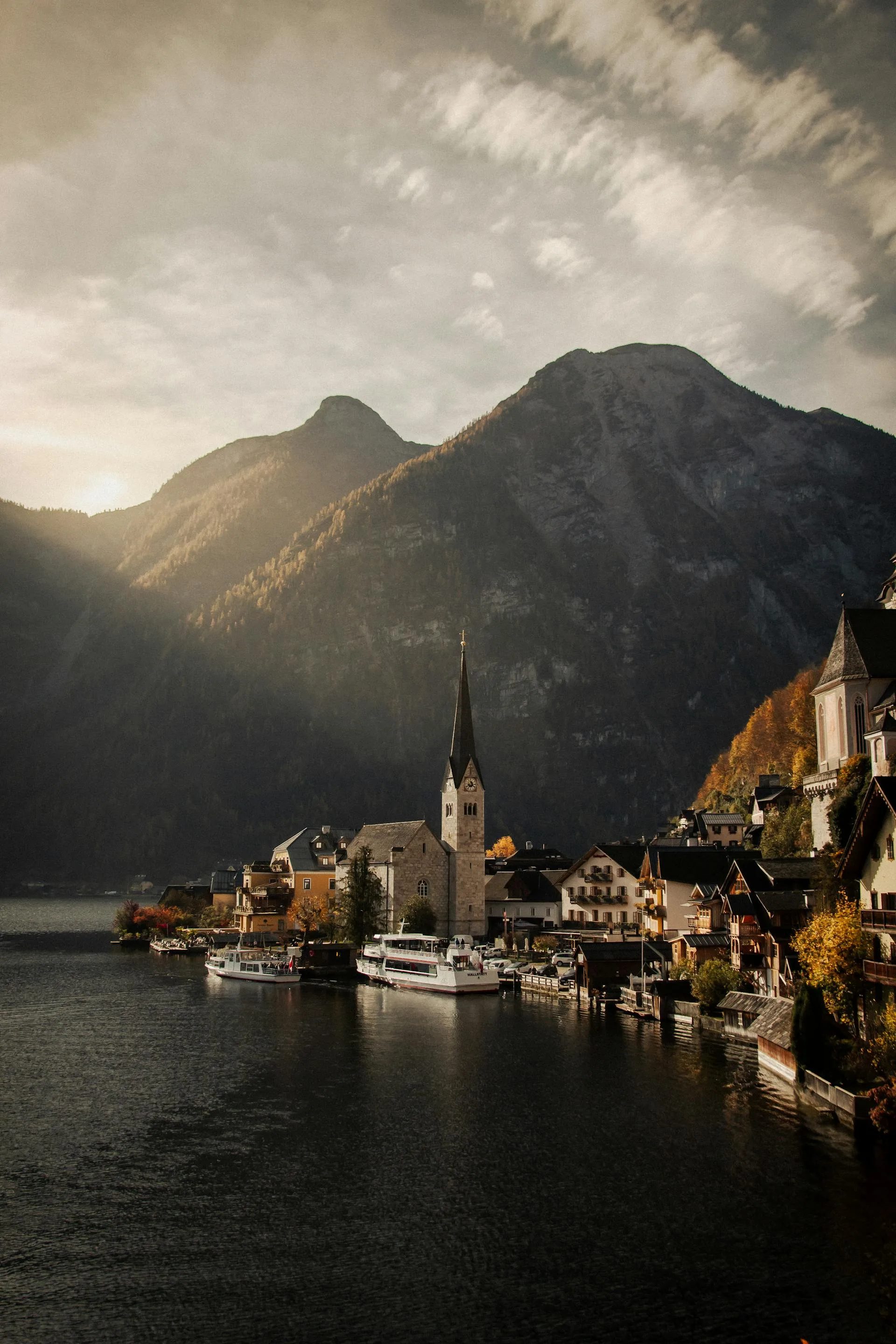
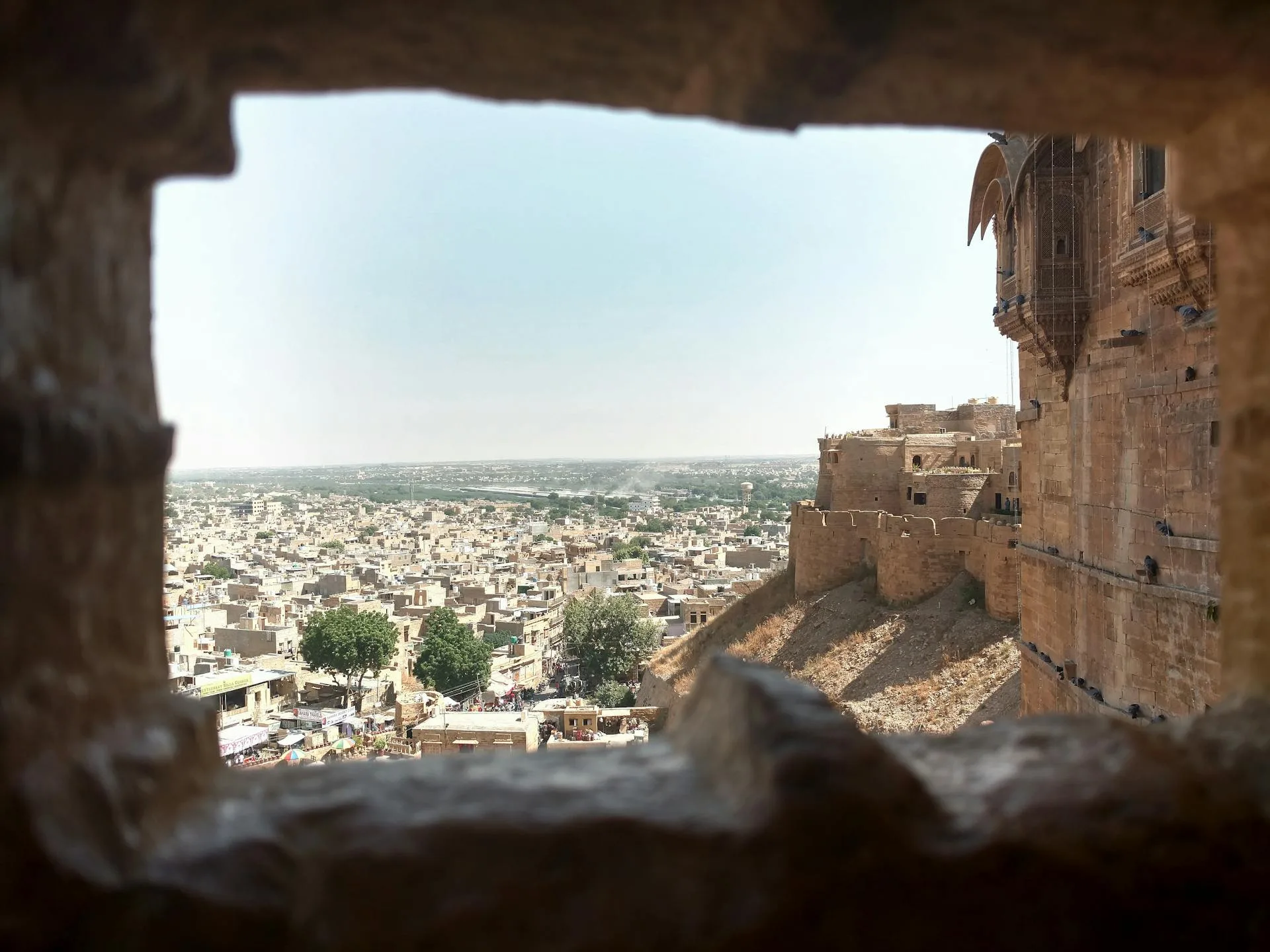
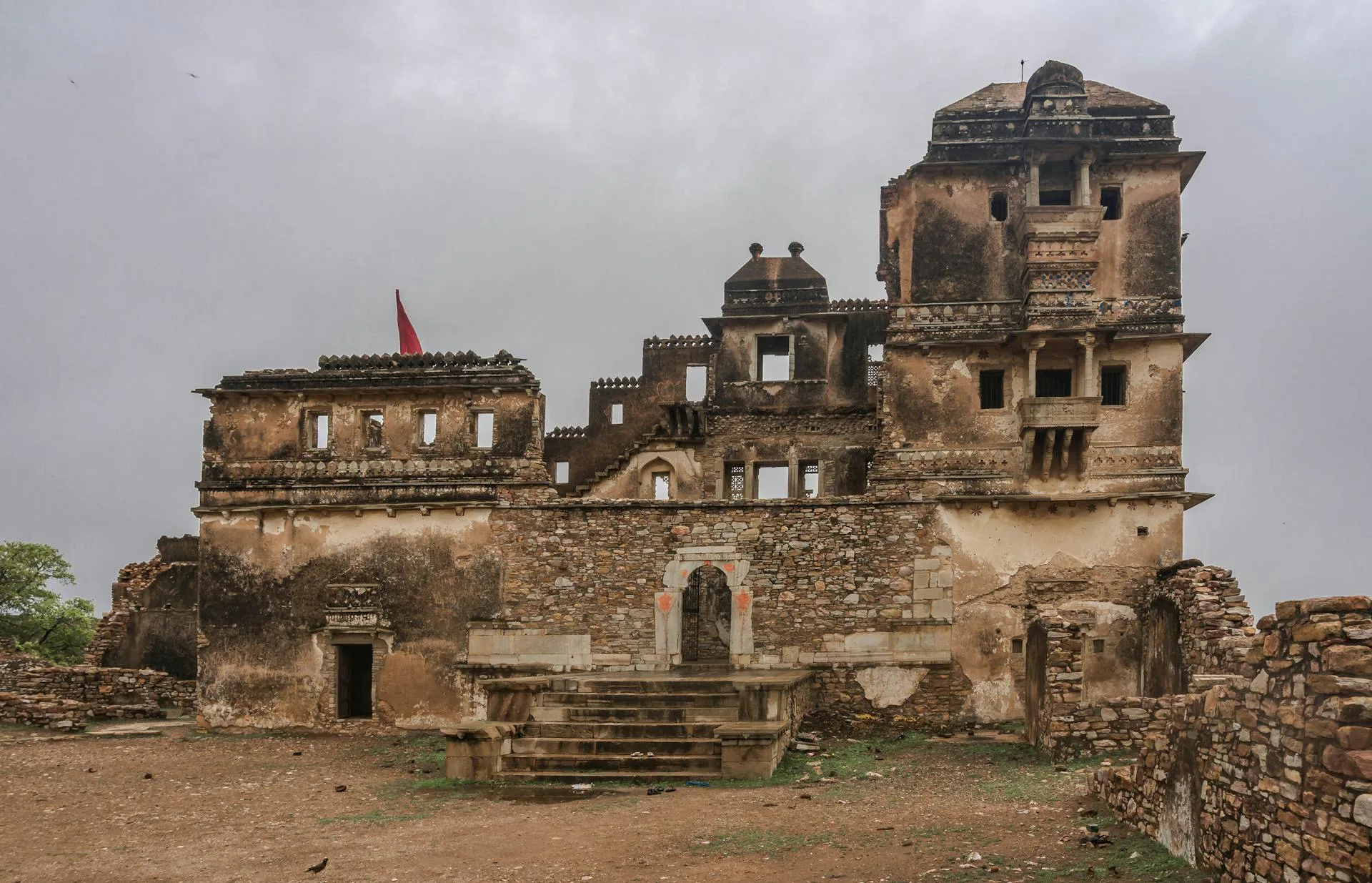
Hunza — formerly the Princely State of Hunza, ruled by a Mir (king) until 1974 — is one of the most culturally distinctive regions in all of South Asia. Its people, the Burusho, speak Burushaski, a language isolate with no confirmed relation to any other language family in the world. This linguistic uniqueness mirrors a broader cultural distinctiveness: Hunza's history of relative isolation behind its mountain walls produced architectural styles, musical traditions, culinary practices, and social customs that differ markedly from both the Pakistani plains and neighbouring Central Asia. The two great forts of Karimabad — Baltit and Altit — are the most tangible monuments to this distinct civilization.

Baltit Fort, rebuilt in its current form in the 14th century with Tibetan architectural influences, served as the residence of the Mirs of Hunza for 700 years until the last Mir moved to a modern residence in the 1940s. The fort was meticulously restored in the 1990s by the Aga Khan Historic Cities Programme and is today one of the finest heritage restoration projects in the region. Altit Fort, older by several centuries (some elements date to the 11th century), sits dramatically on a rock spur above the Hunza River with near-vertical drops on three sides. The villages immediately below Altit preserve traditional Hunzai architecture better than anywhere else in the valley.

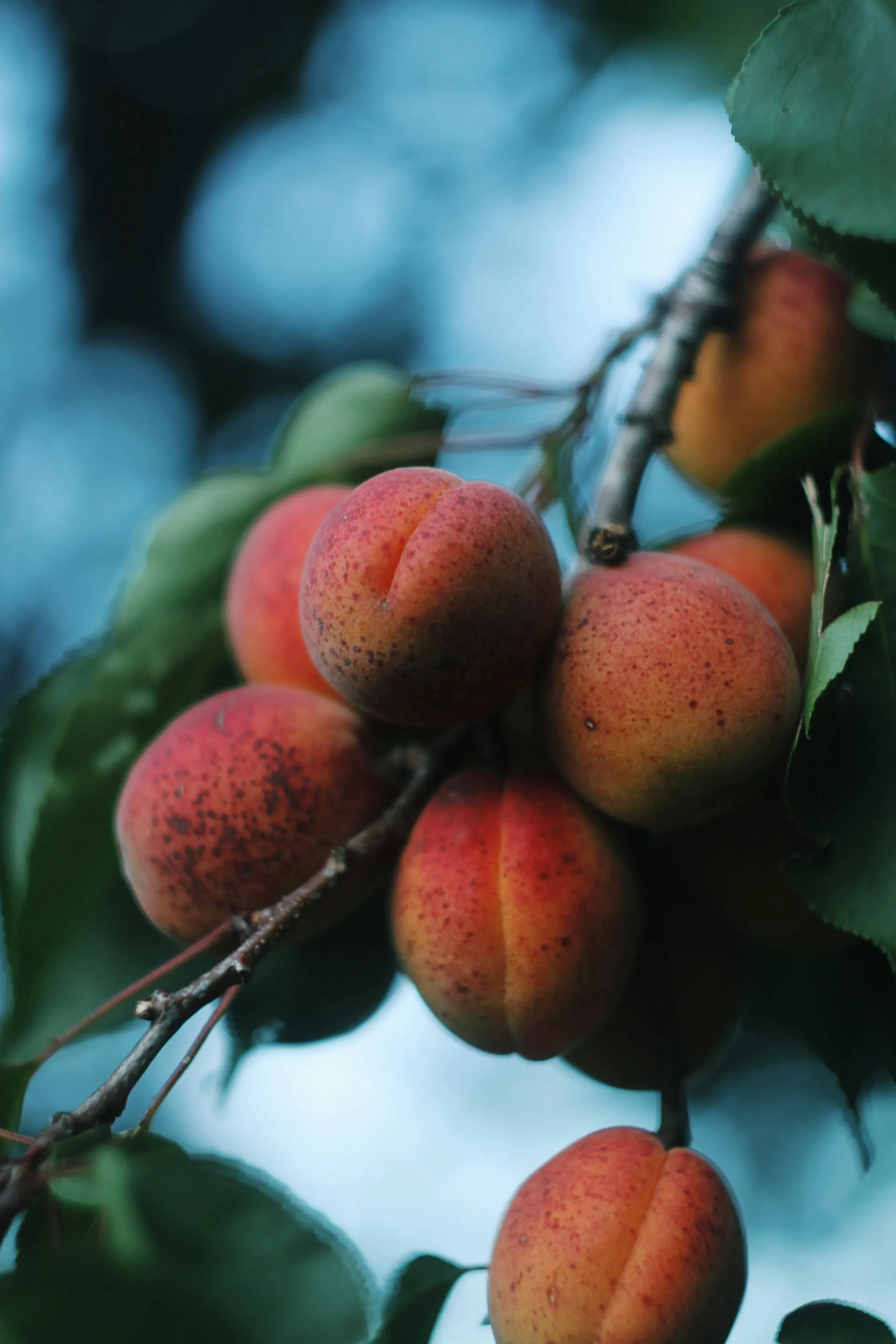
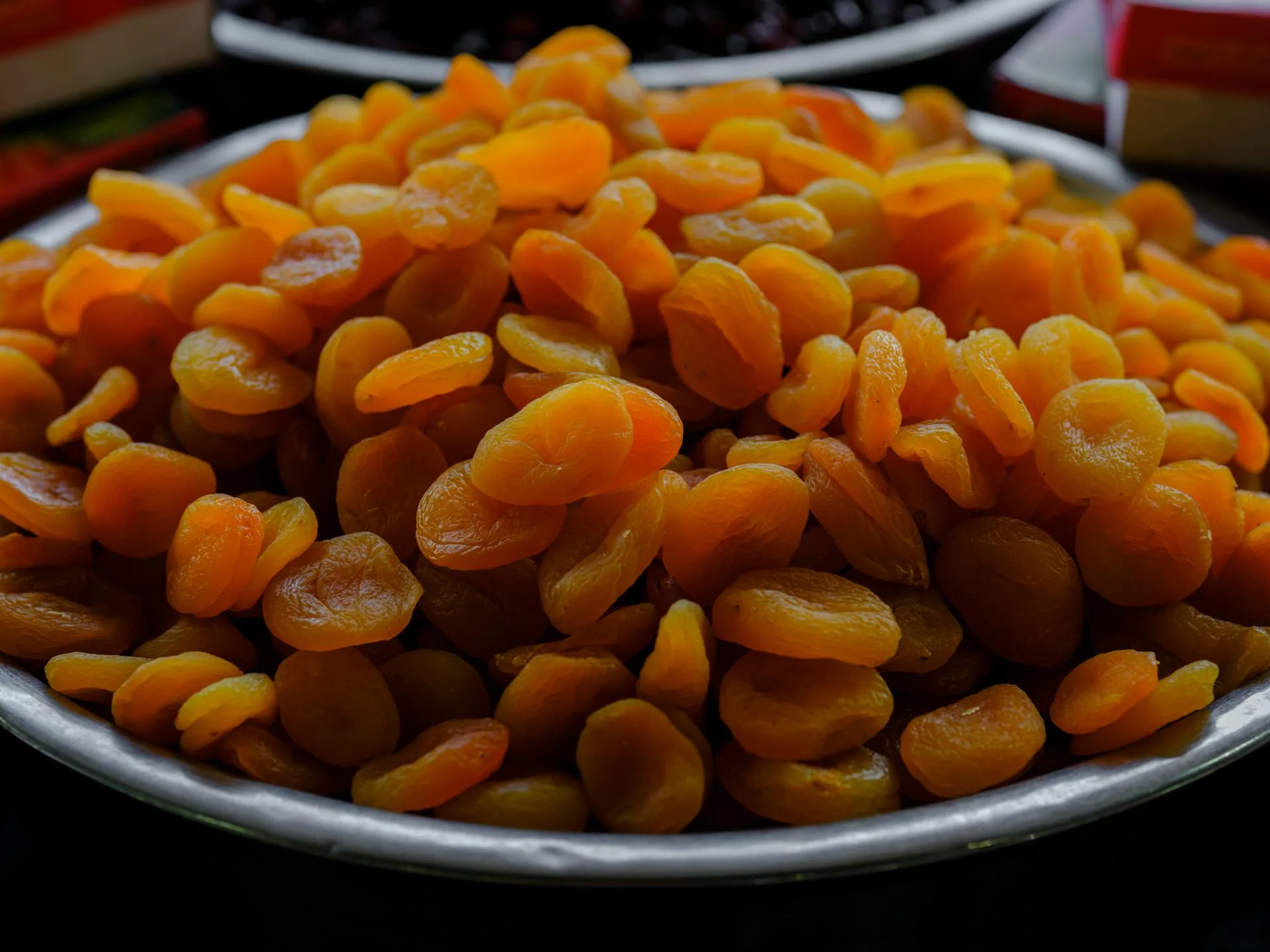
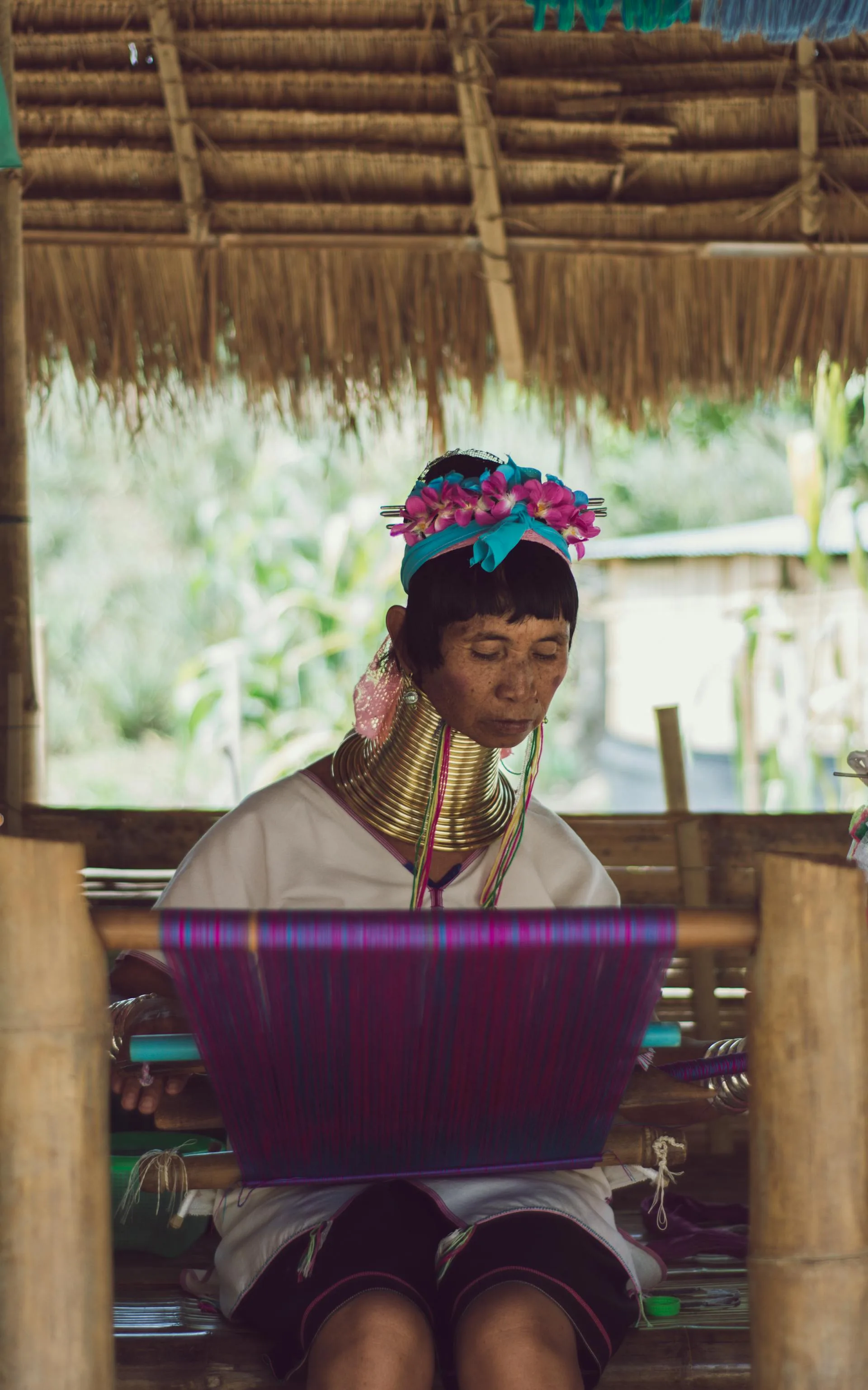
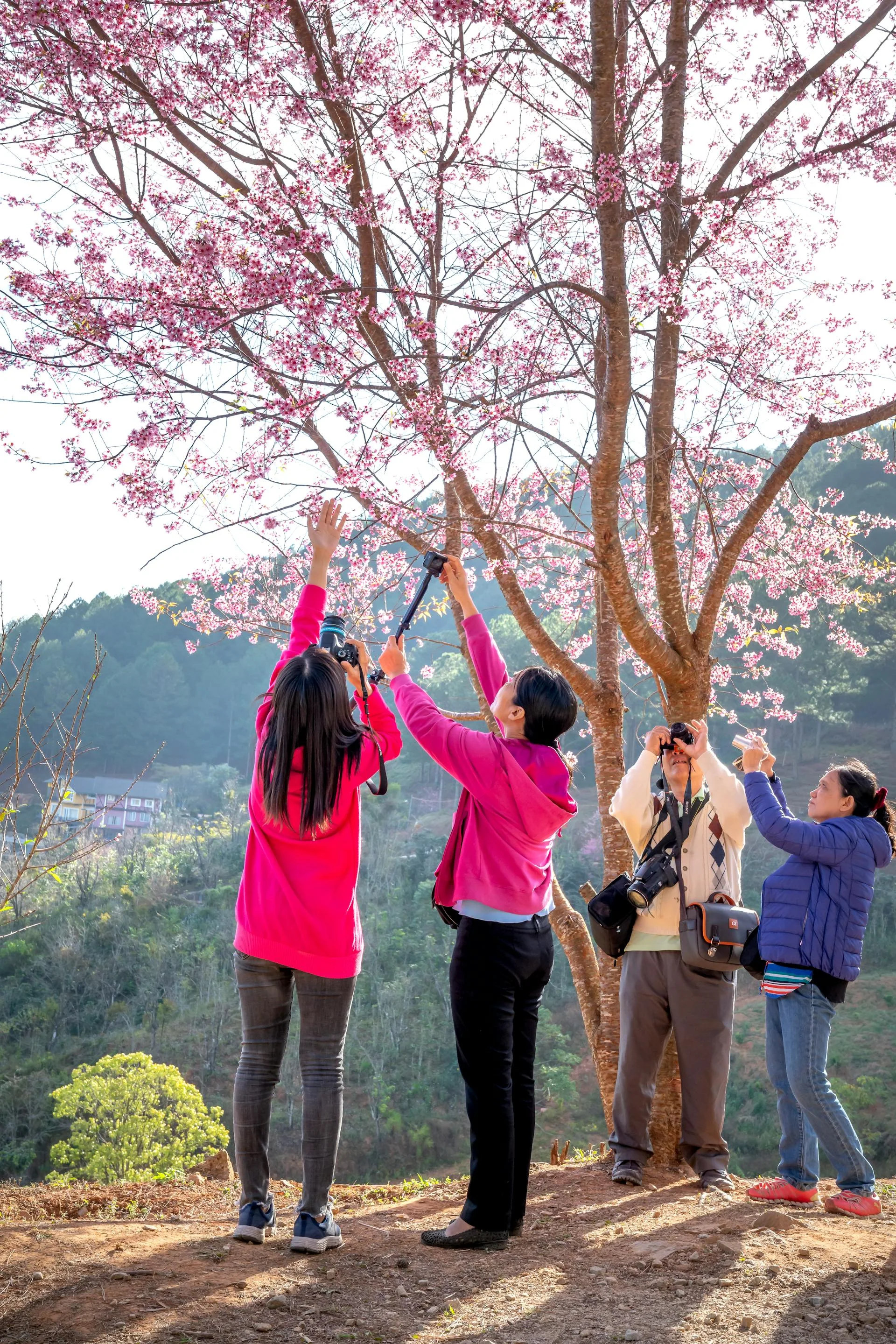
Beyond the forts, Hunza's cultural calendar offers the extraordinary spectacle of spring cherry and apricot blossom (late March–April), the summer harvest of dozens of apricot varieties that are dried on flat rooftops throughout the valley, and the winter Ginani festival. Our cultural tour is designed to move at a pace that allows genuine engagement: extended time in villages, meals with local families, weaving demonstrations from women's craft cooperatives, and guided conversations with community leaders and elders about the changes — and continuities — of life in modern Hunza.

Quick Facts

700+ Years

Baltit Fort Age

2,438 m

Karimabad Elevation

6–8 Days

Tour Duration

Easy

Physical Difficulty

Hunza Valley, GB

Region

Mar–Nov

Best Season

Hunza Cultural Heritage Tour Itinerary

Day 1
Islamabad to Gilgit — Fly & Drive to Karimabad
Fly Islamabad–Gilgit (1,500 m). Drive 100 km to Karimabad (2,438 m). Check in heritage guesthouse.
Day 2
Baltit Fort & Karimabad Old Town
Morning: 2-hour guided tour of Baltit Fort with cultural historian. Interior rooms, royal chambers, Tibetan-style roof terrace with Rakaposhi (7,788 m) backdrop. Afternoon: walk Karimabad old town lanes, visit women's craft cooperative weaving demonstration.
Day 3
Altit Fort & Altit Village
Drive 5 km to Altit. Guided tour of Altit Fort (11th–20th c.) — older and more raw than Baltit, with a vertiginous cliff position above the Hunza River. Walk through traditional Altit village, meet local stone mason maintaining traditional building techniques.
Day 4
Eagle's Nest & Duiker Village — Apricot Orchards
Morning jeep to Eagle's Nest (3,100 m) — panoramic views of seven peaks including Rakaposhi, Diran, Ultar Sar. Afternoon: visit apricot orchards in the Duikar area. Apricot tasting and jam-making session with local family (seasonal: summer).
Day 5
Attabad Lake & Gulmit Village
Drive 60 km to Attabad Lake — boat trip on the turquoise lake. Continue to Gulmit (2,500 m) in upper Hunza (Gojal). Traditional Wakhi culture — different from Hunzai — with their own music and craft traditions.
Day 6
Nagar Valley — Hopar Glacier & Traditional Embroidery
Cross the Hunza River to Nagar Valley (15 km). Visit Hopar Glacier (one of the valley's accessible glaciers). Nagar embroidery workshop — bold geometric patterns on black wool.
Day 7
Gilgit — Kargah Buddha & Bazaar
Drive to Gilgit. Visit Kargah Buddha (7th-century rock carving, 6 m tall figure). Gilgit bazaar — gemstones (tourmaline, aquamarine), dried fruit, traditional caps.
Day 8
Gilgit — Departure
Fly Gilgit–Islamabad. Departure.

What's Included

Gilgit–Islamabad flights (both directions)
All ground transport including Nagar Valley jeep
6 nights accommodation (heritage guesthouse in Karimabad & Gilgit hotel)
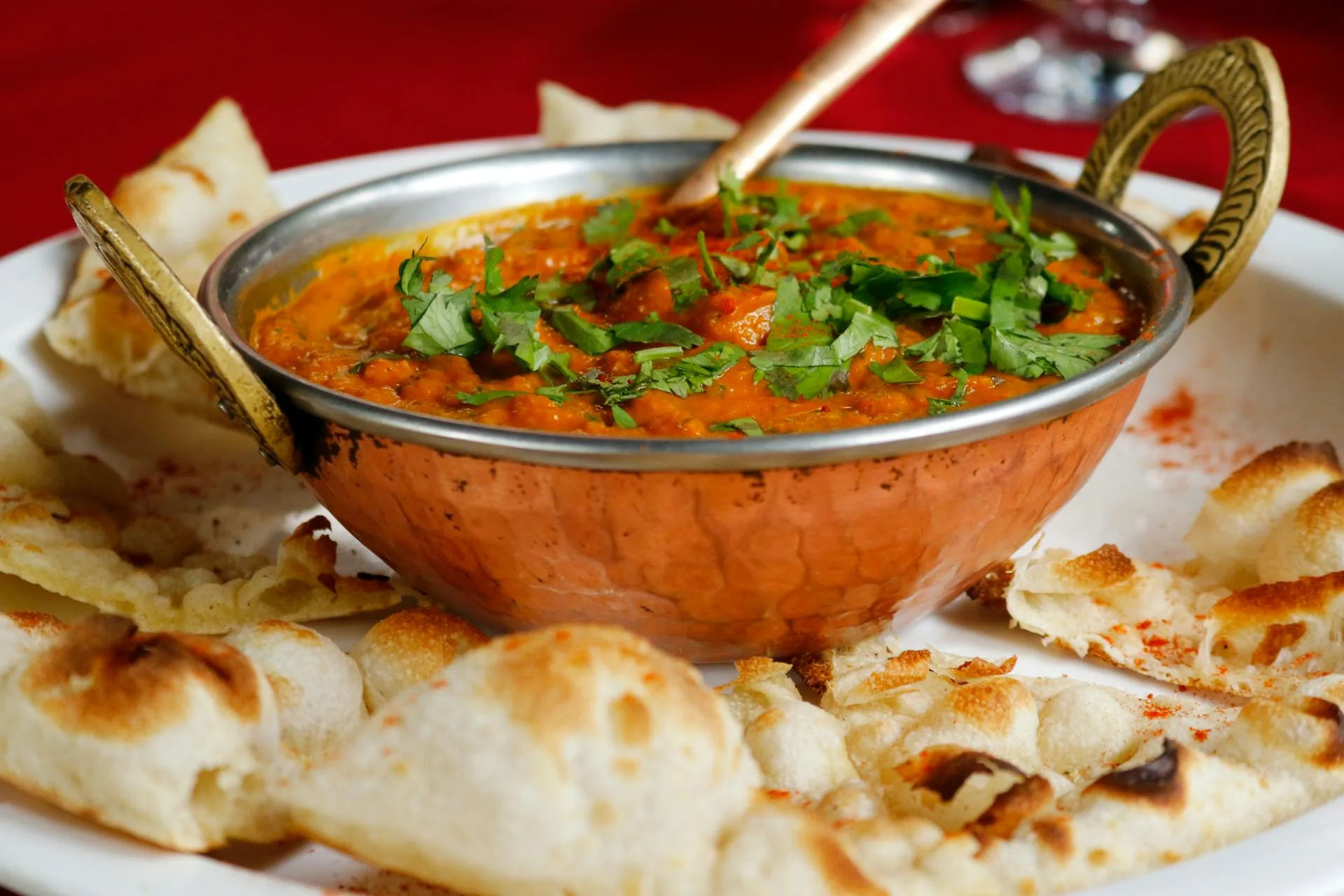
All meals with regional specialties
Baltit Fort & Altit Fort guided entry
Craft workshop fees and community visits

Tour Logistics

✈️
Start / End
Islamabad / Gilgit Airport
📅
Best Season
March–November (blossom: Mar–Apr)
🏔️
Max Elevation
3,100 m (Eagle's Nest)
🚗
Transport
Private vehicle, jeep for high points
🏨
Accommodation
Heritage guesthouses in Karimabad
🎨
Cultural Focus
Forts, weaving, language, food
👥
Group Size
2–10 people

Discover Pakistan's Most Culturally Unique Valley

Burushaski — a language spoken by no one else on Earth — is the first clue that Hunza is different. Come discover what else sets it apart.

Book This Tour — $1,100/person Ask a Question