Khunjerab Pass Explorer
A pass-led express to 4,693 m and the China gate, in seven days
Last updated: · Reviewed by Javeed Iqbal, Founder
Duration
5-7 Days
Difficulty
Moderate
Group Size
2-10 people
Best Season
Jun-Oct
About This Tour
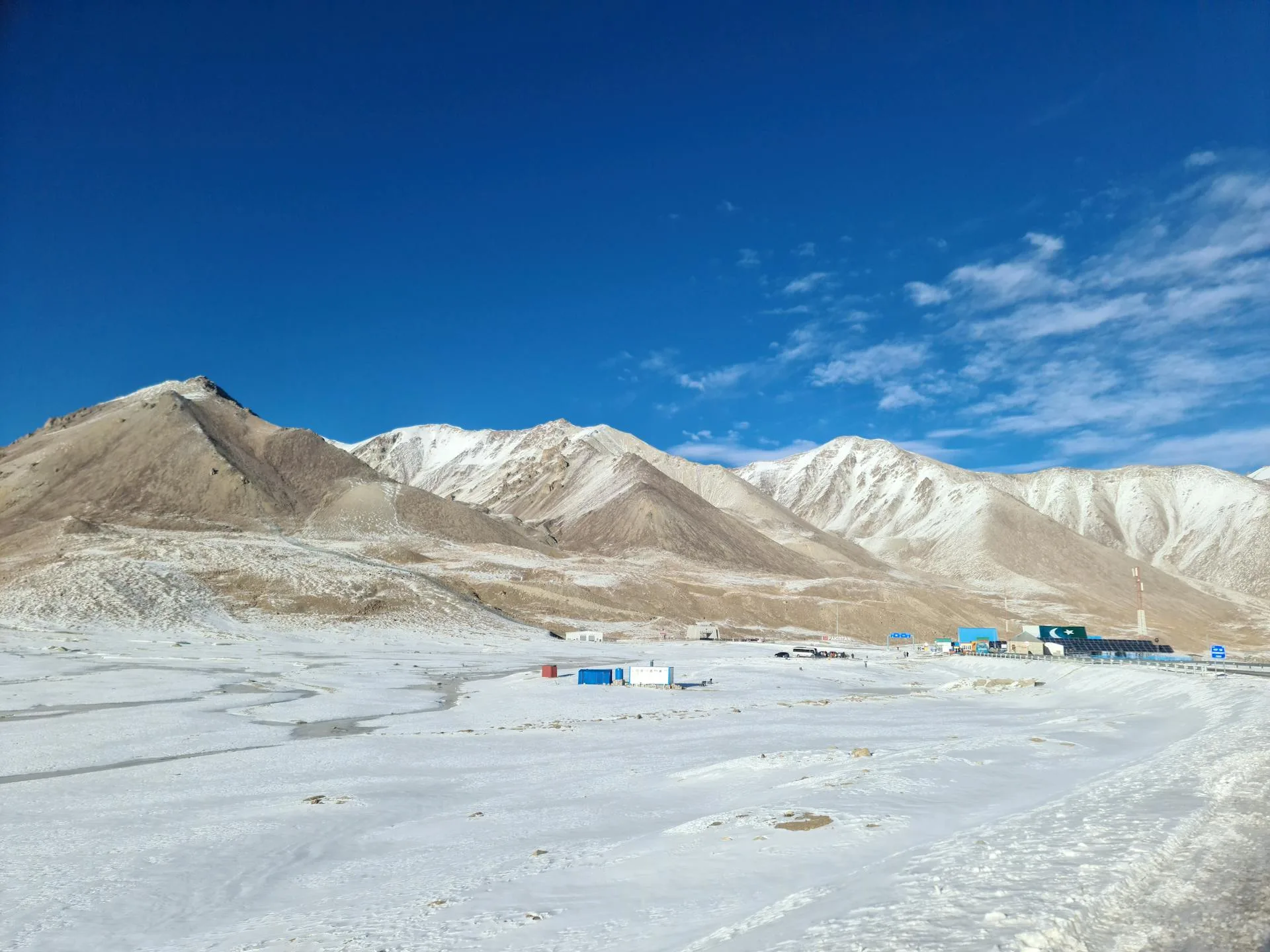
This 7-day tour puts Khunjerab Pass front and centre. At 4,693 m on the Pakistan-China border, it is the highest paved international border crossing in the world, and reaching the gate, photographing it and standing on the line is the headline of the trip. We run it as a tighter, pass-led itinerary: Gilgit in and out, the Hunza landmarks taken in on the way up, and one big day built around the border itself.
The journey is the build-up to the pass. From Gilgit the Karakoram Highway climbs north past the Rakaposhi viewpoint near Nagar, the turquoise Attabad Lake formed by the 2010 landslide, and the saw-tooth Passu Cones, gaining altitude in stages so the body has time to adjust before the high day. Sost, the last Pakistani town with its customs post, sits about 75 km and two hours below the top, where the road enters Khunjerab National Park for the final climb.
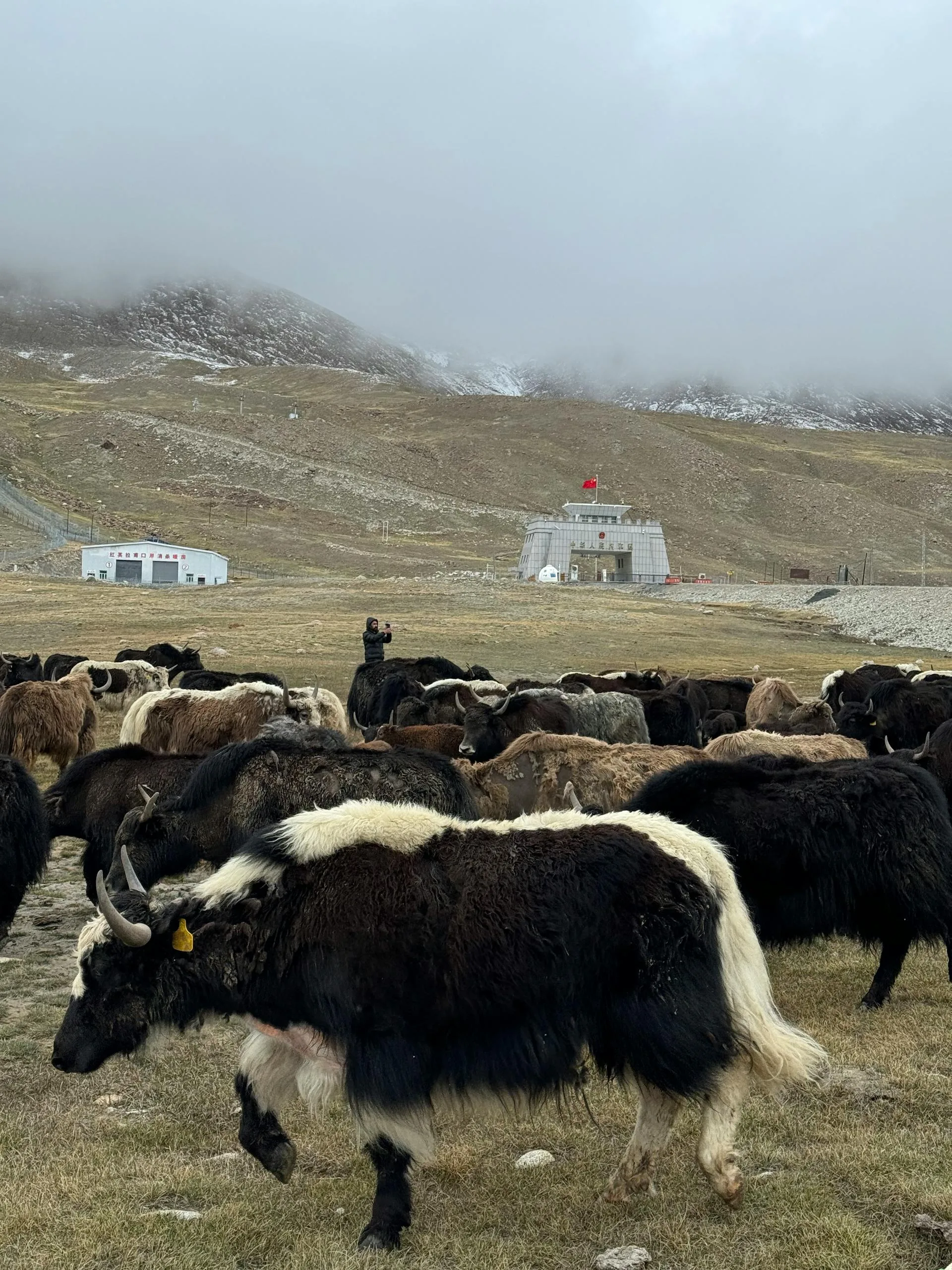
Khunjerab National Park is the wild frame around the pass. This high-alpine reserve protects snow leopard, Marco Polo sheep, Himalayan ibex, blue sheep and golden marmot, with golden eagles overhead. As the road climbs above 4,000 m the vegetation thins to tundra, yaks graze the plateau, and marmots and ibex are the realistic sightings while your guide works the ridgelines with binoculars. The top is bare and windswept, with the border gate and the world's highest ATM.
The pass day is framed as a high-altitude day-trip: a fast climb to 4,693 m and back, which we manage with acclimatisation lower down, a short stay at the top and plenty of fluids. The grading is moderate, group size runs 2 to 10, and the price is $950. We sell the pass for the snow-free window only.
The Khunjerab Pass Day
The pass day is the reason for the trip and we give it the room it needs. From the upper valley the road runs to Sost, the last Pakistani town and its customs and immigration post, about 75 km and two hours below the top. Above Sost it enters Khunjerab National Park and climbs hard, past the park checkpoint, until the orchards are long gone and the landscape is tundra and rock.
At the top you have time at the border marker for photographs at the China gate, a look at the world's highest ATM, and wildlife spotting with binoculars across the plateau. The realistic sightings on the climb are golden marmots and Himalayan ibex, with yaks grazing near the summit and golden eagles working the thermals; snow leopard and Marco Polo sheep live in the park but are very rarely seen. We keep the stay at the top short, both for the weather and for the altitude, then descend to a lower night.
Day-by-Day Itinerary
1Islamabad to Gilgit
Islamabad to Gilgit
2Gilgit to Karimabad
Gilgit to Karimabad
3Karimabad to Passu
Karimabad to Passu
4Passu to Khunjerab Pass
Passu to Khunjerab Pass
5Return via Gulmit and Borith Lake
Return via Gulmit and Borith Lake
6Karimabad to Gilgit
Karimabad to Gilgit
7Gilgit Departure
Gilgit Departure
Best Time to Go to Khunjerab Pass and When It Opens
For tourists, the workable window is May to October, and it is snow-dependent. Snowfall controls the top of the road, so the exact start and end shift each year, and we will not promise the pass in April or November. The early and late departures carry the most weather risk; we keep the pass day flexible so we can put it on the clearest morning we get.
Looser online sources quote April to November, but that reflects the China-side trade calendar, not a guarantee that tourists can drive to the marker. Compared with Babusar Pass (4,173 m), which is a seasonal shortcut on a different route, Khunjerab is higher, paved to the top and an international border, which is why it carries a stricter snow-dependent season.
Can Tourists Visit Khunjerab Pass?
Yes. Tourists can drive to the pass and stand at the border marker; it is a popular day-trip target from Hunza and the upper valley in season. What tourists generally cannot do here is cross into China: the gate is the formal border, and actually entering China needs the right Chinese visa and separate arrangements. For nearly all our guests, Khunjerab is a there-and-back day to the top, not a crossing.
You will need Khunjerab National Park entry fees for the pass day, which we arrange as part of the package. There is no separate trekking permit for this road itinerary.
How Hard Is It?
The difficulty is altitude, not walking. You drive almost the whole way, but the pass day is a fast climb to 4,693 m and back, so we treat it as a genuine high-altitude day-trip. We acclimatise in stages on the way up the valley, keep the time at the top short, push fluids, and watch for the headache, breathlessness or nausea of mild altitude sickness.
Because this is a tighter 7-day trip, the acclimatisation runway is shorter than on our longer Hunza-first tour, so the grading here is moderate rather than easy. It is not suitable for guests with serious heart or lung conditions. If you would rather acclimatise over more nights and spend longer in the valley before the pass, our 8-day Hunza to Khunjerab tour gives you that, and travellers who only want the valley itself can look at the Hunza Valley Explorer.
Where Is Khunjerab Pass and How High Is It?
Khunjerab Pass sits at 4,693 metres (15,397 feet) on the Pakistan-China border, high in the Karakoram at the northern tip of Gilgit-Baltistan. It is the highest paved international border crossing in the world, marking the frontier between Pakistan's Gojal (upper Hunza) region and China's Xinjiang. The pass is the highest point on the Karakoram Highway; a 4,714 m figure sometimes quoted nearby is the road's maximum elevation close to the marker, not the border itself. From Gilgit it is roughly 270 kilometres north up the KKH, and from Sost, the last Pakistani town, about 75 kilometres and two hours of climbing. The whole approach runs through Khunjerab National Park, a high-alpine reserve for snow leopard, Marco Polo sheep, Himalayan ibex and golden marmot.
Khunjerab Pass Weather and Temperature
The weather at Khunjerab is high-alpine and cold all year, and it drives everything about a visit. Even in July and August, daytime temperatures at the top usually sit around 5 to 15°C and can fall to near or below freezing when cloud rolls in, with a wind that bites at 4,693 metres; nights are below freezing for much of the year. Snow can fall in any month and lies deep on the pass through winter, which is why the road over the top is effectively closed to tourists from about late December until April and reliably open only from May to October. Come with proper warm layers, a windproof jacket, hat and gloves even in midsummer, and treat the thin air seriously. The clearest mornings usually come in June, September and early October.
Why Book With Us
We are a Gilgit-Baltistan operator and have run the Khunjerab road since 2015, so we know how to deliver the pass on a tight seven days: stage the altitude on the way up, keep the time at the top short, and build the pass day to land on a clear morning. Our guides double as wildlife spotters in the national park and know where the marmots and ibex sit. We are honest that the top is snow-dependent and that this is a real altitude day on a shorter acclimatisation runway, and we plan the trip so the journey up still rewards you even if fresh snow shuts the marker.
What's Included
Not Included
Frequently Asked Questions
How high is Khunjerab Pass?
How high is Khunjerab Pass?
Can tourists visit Khunjerab Pass?
Can tourists visit Khunjerab Pass?
Is Khunjerab Pass worth visiting?
Is Khunjerab Pass worth visiting?
When is the best time to go to Khunjerab?
When is the best time to go to Khunjerab?
How far is Khunjerab Pass from Gilgit and Sost?
How far is Khunjerab Pass from Gilgit and Sost?
Will I get altitude sickness at Khunjerab?
Will I get altitude sickness at Khunjerab?
What wildlife lives in Khunjerab National Park?
What wildlife lives in Khunjerab National Park?
How much does the Khunjerab Pass tour cost?
How much does the Khunjerab Pass tour cost?
What is the weather like at Khunjerab Pass?
What is the weather like at Khunjerab Pass?
How cold does Khunjerab Pass get?
How cold does Khunjerab Pass get?
Which country is Khunjerab Pass in?
Which country is Khunjerab Pass in?
Is Khunjerab Pass open in winter?
Is Khunjerab Pass open in winter?
Ready for Your Next Adventure?
Join our community of explorers and discover the journey of a lifetime. Our expert team is ready to help you plan your perfect expedition.