Khunjerab Biodiversity Trek
7–9 Days | Snow Leopard Habitat & Marco Polo Sheep at 4,693 m
Photo Gallery
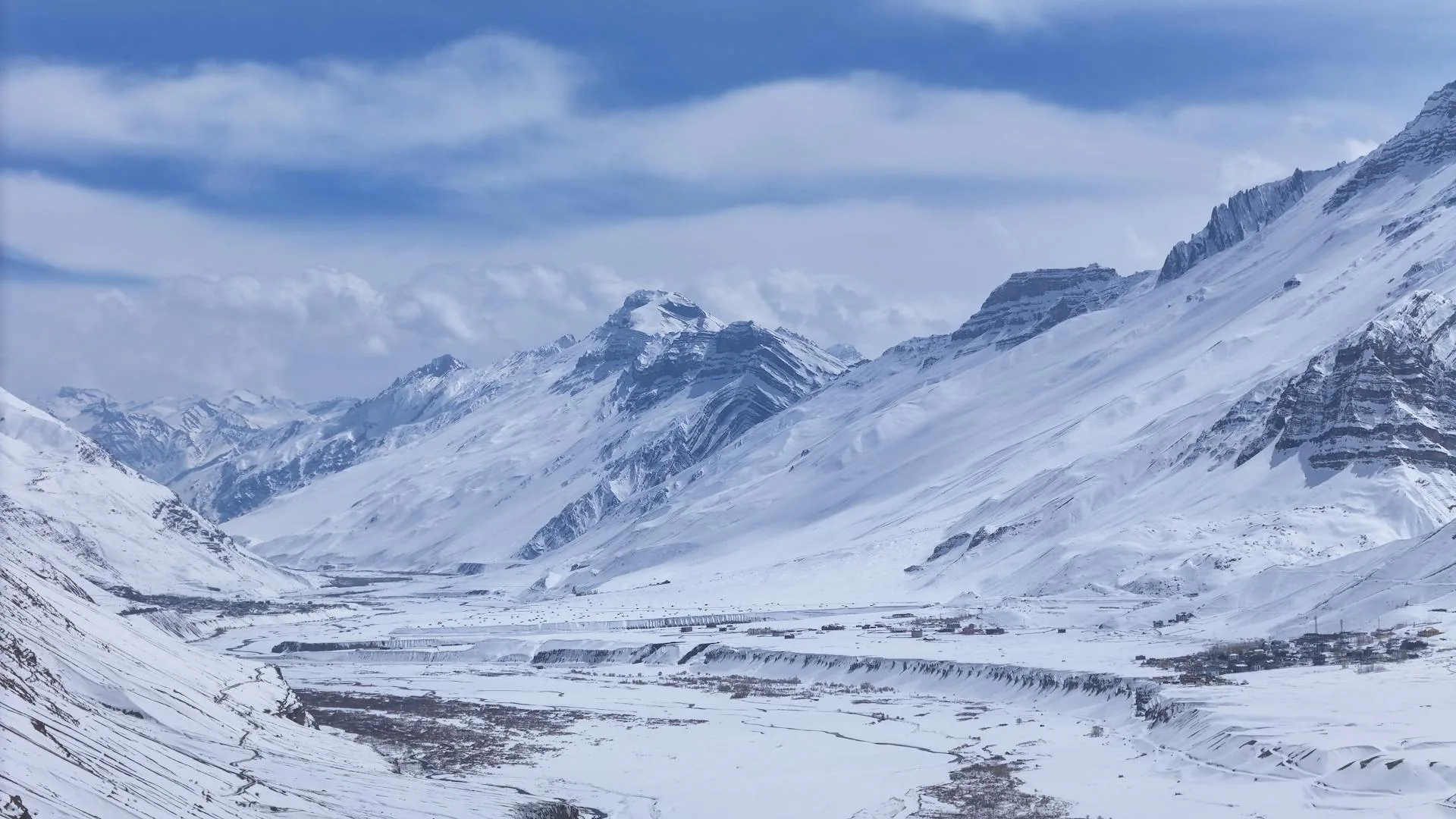
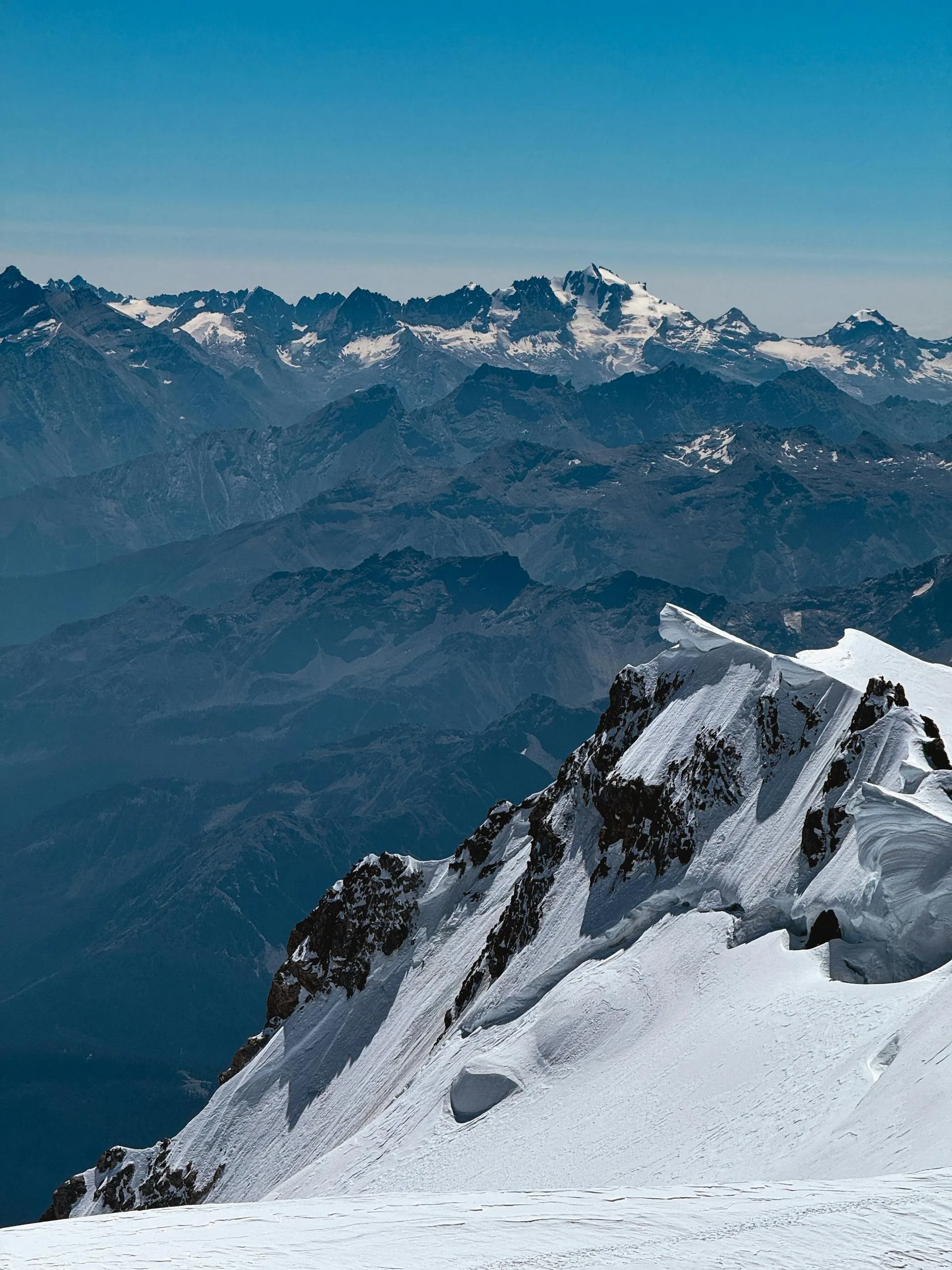
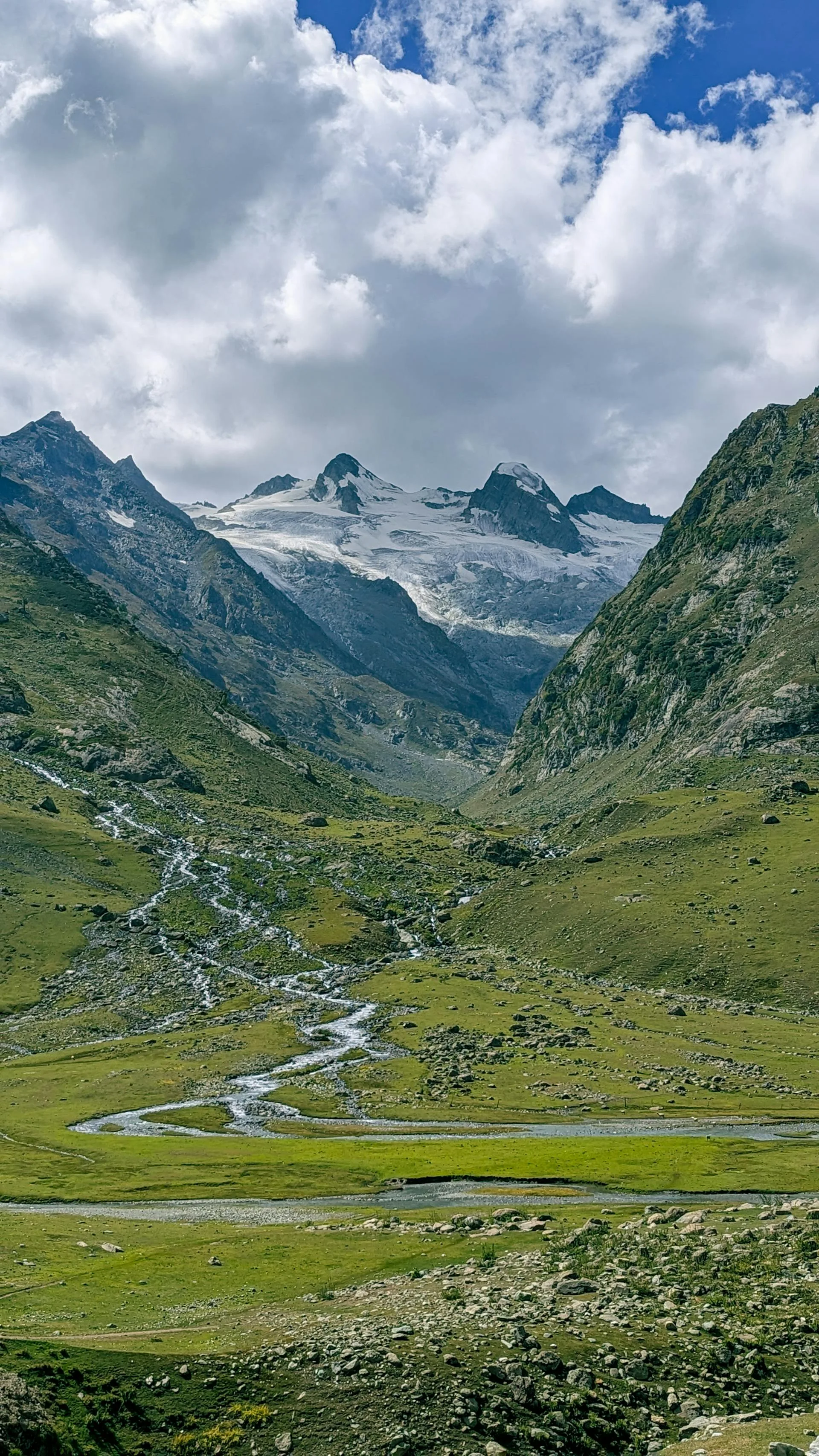
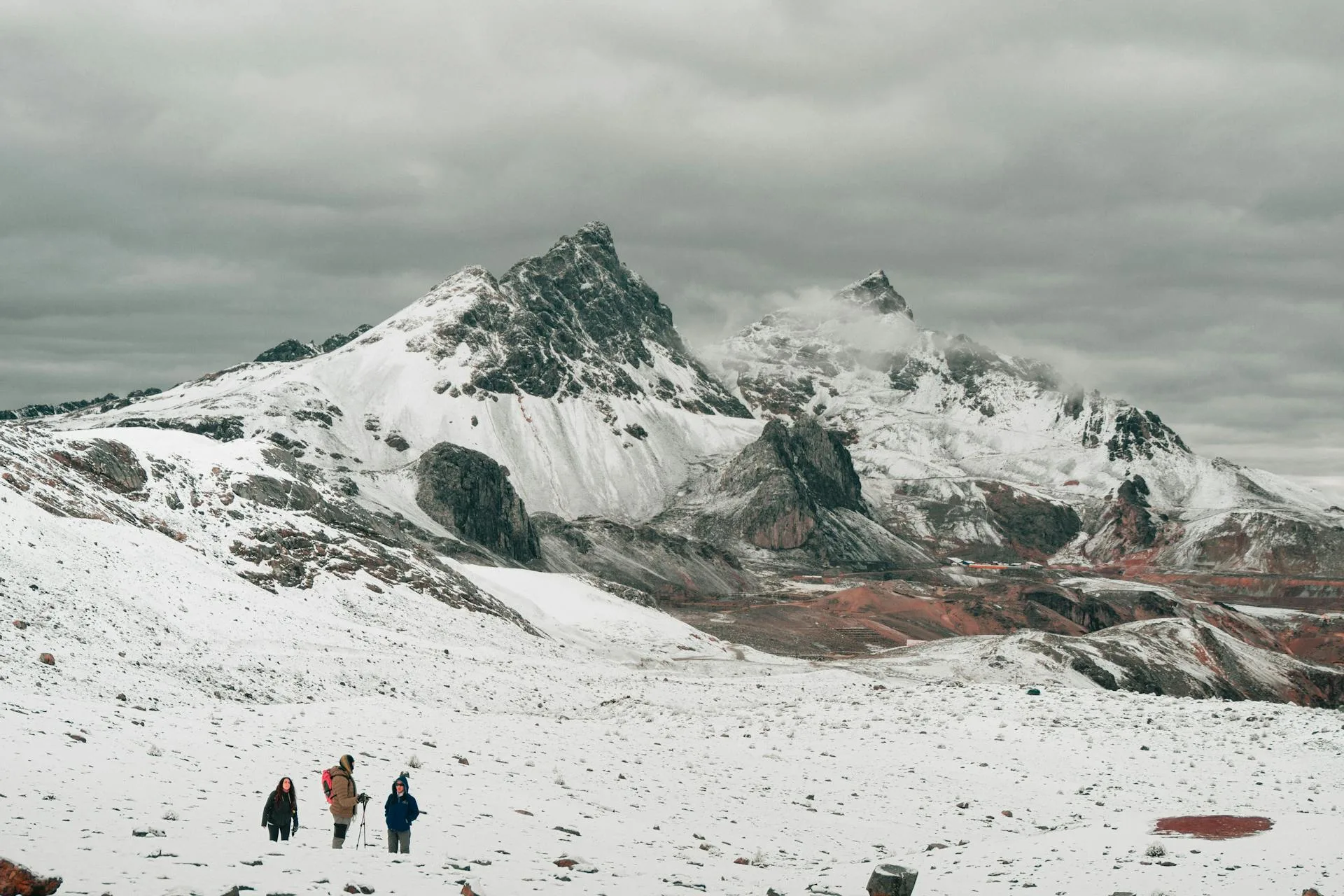
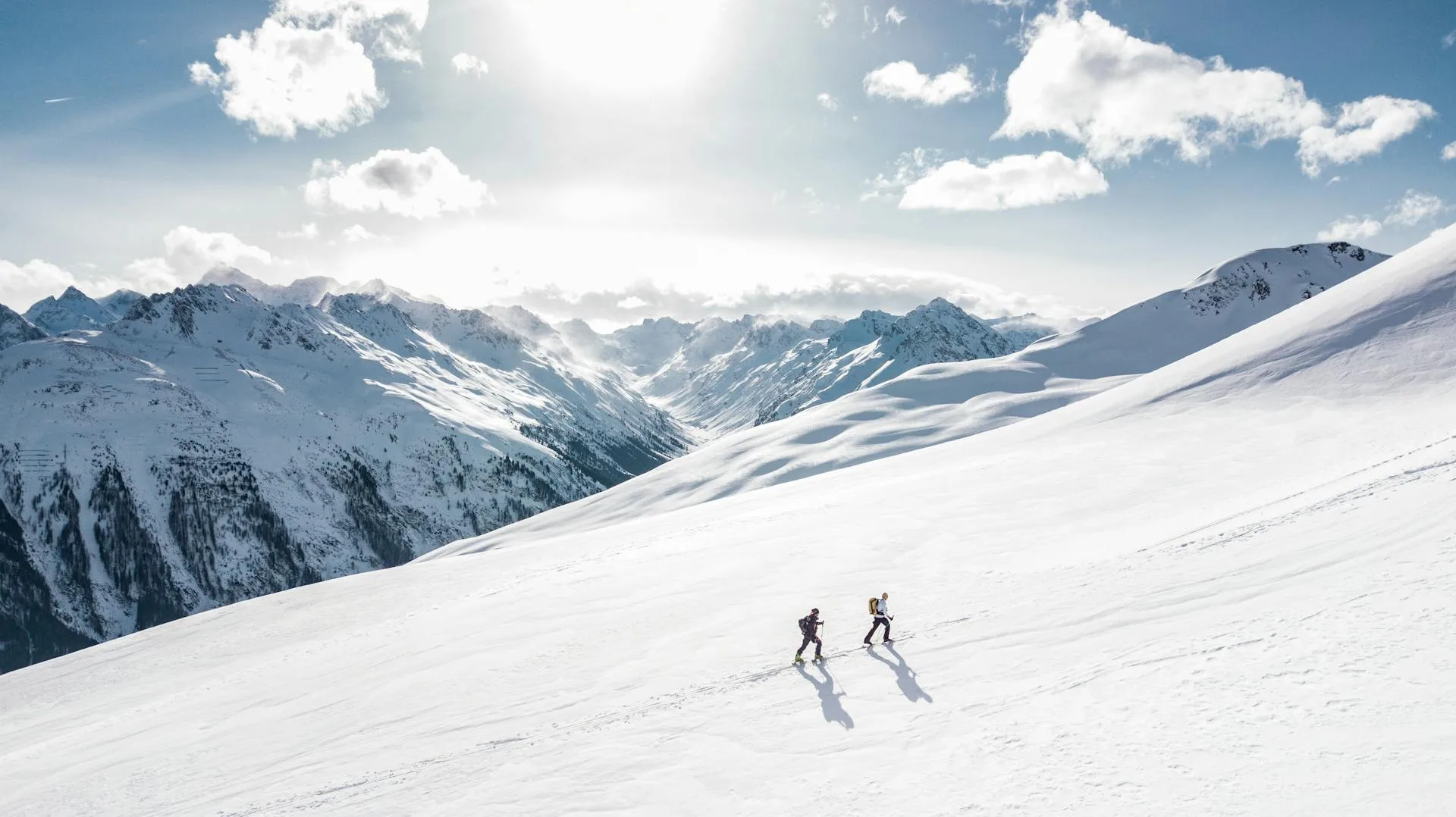
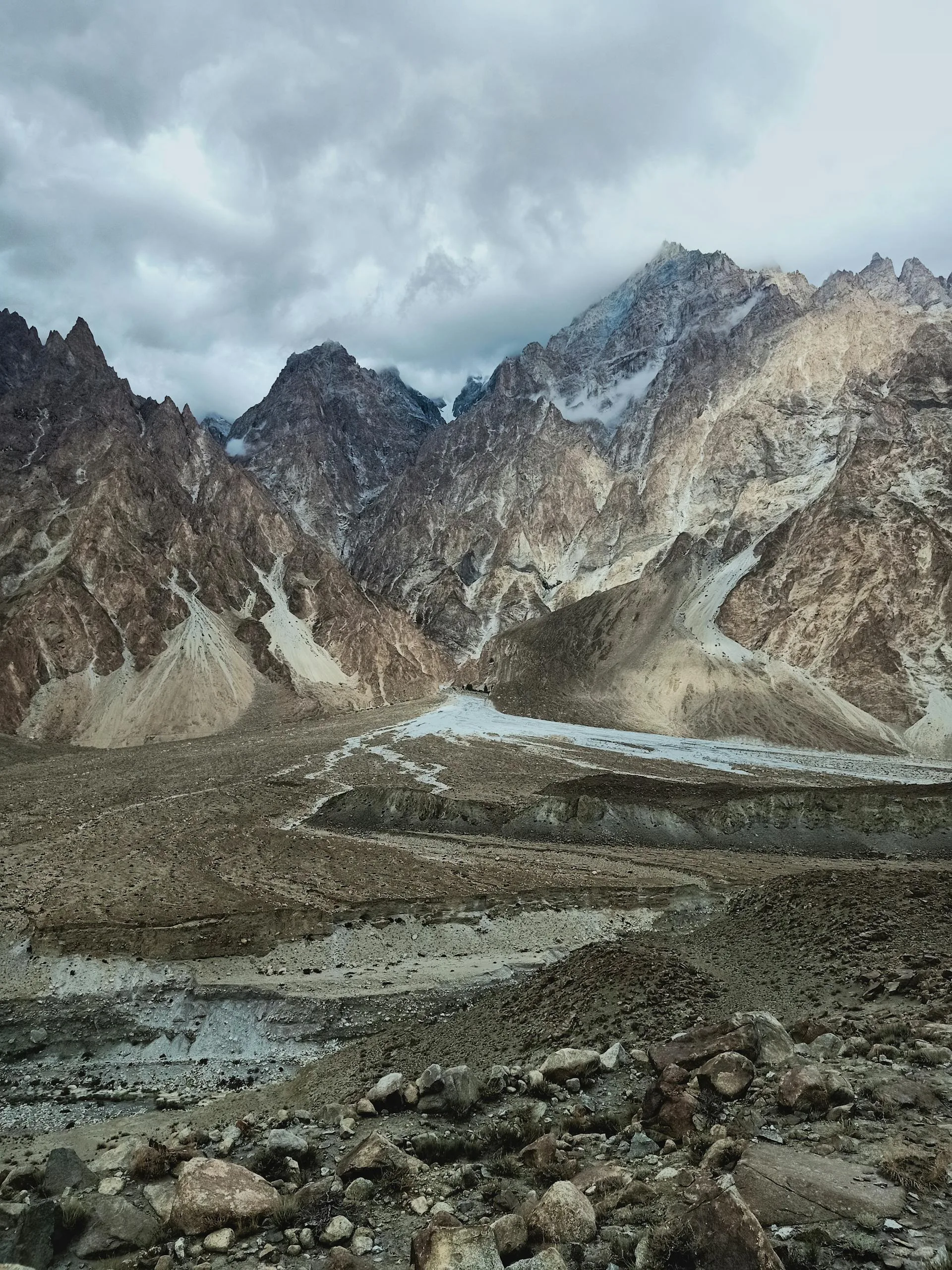
Into the Heart of Snow Leopard Country
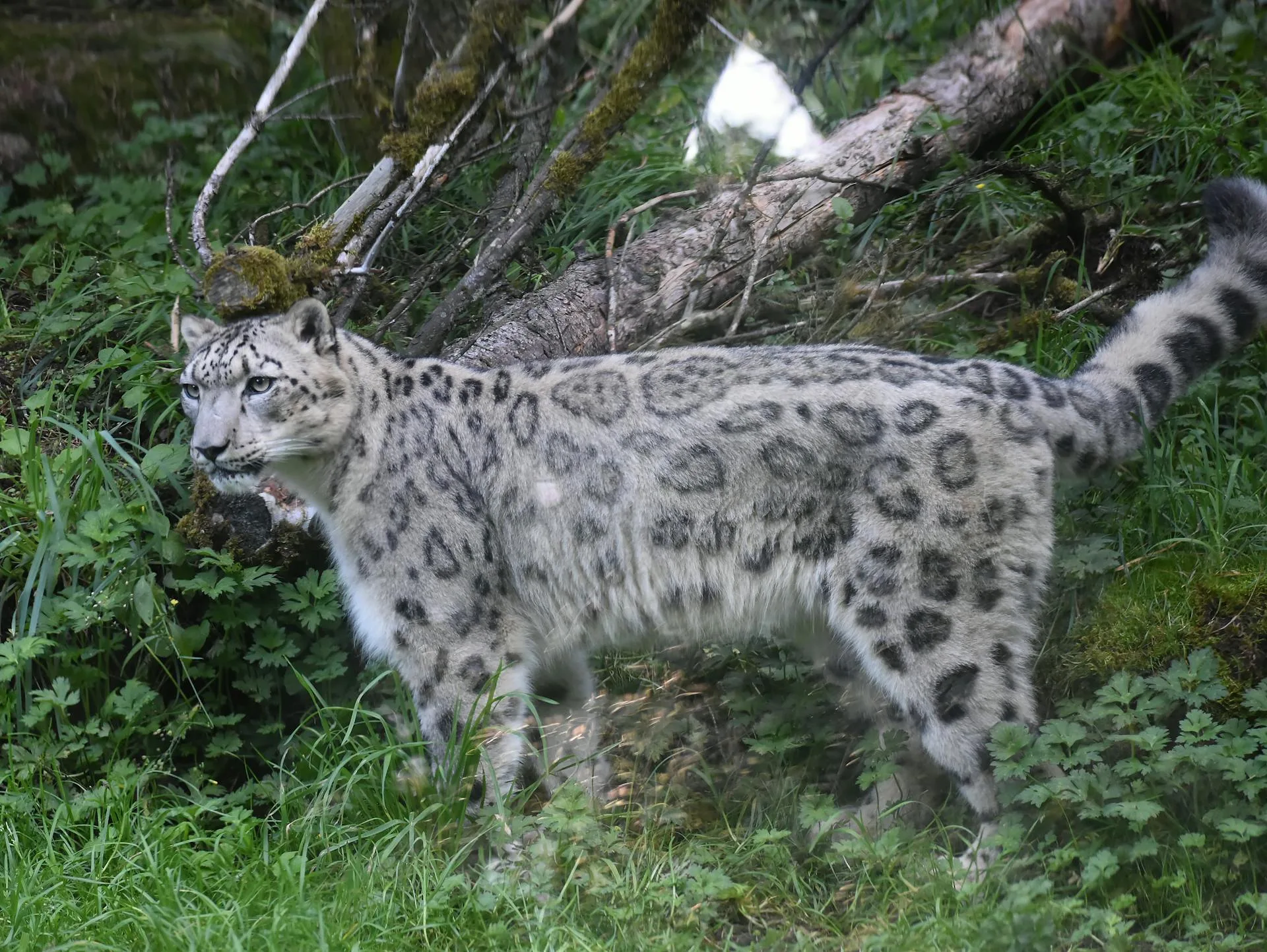
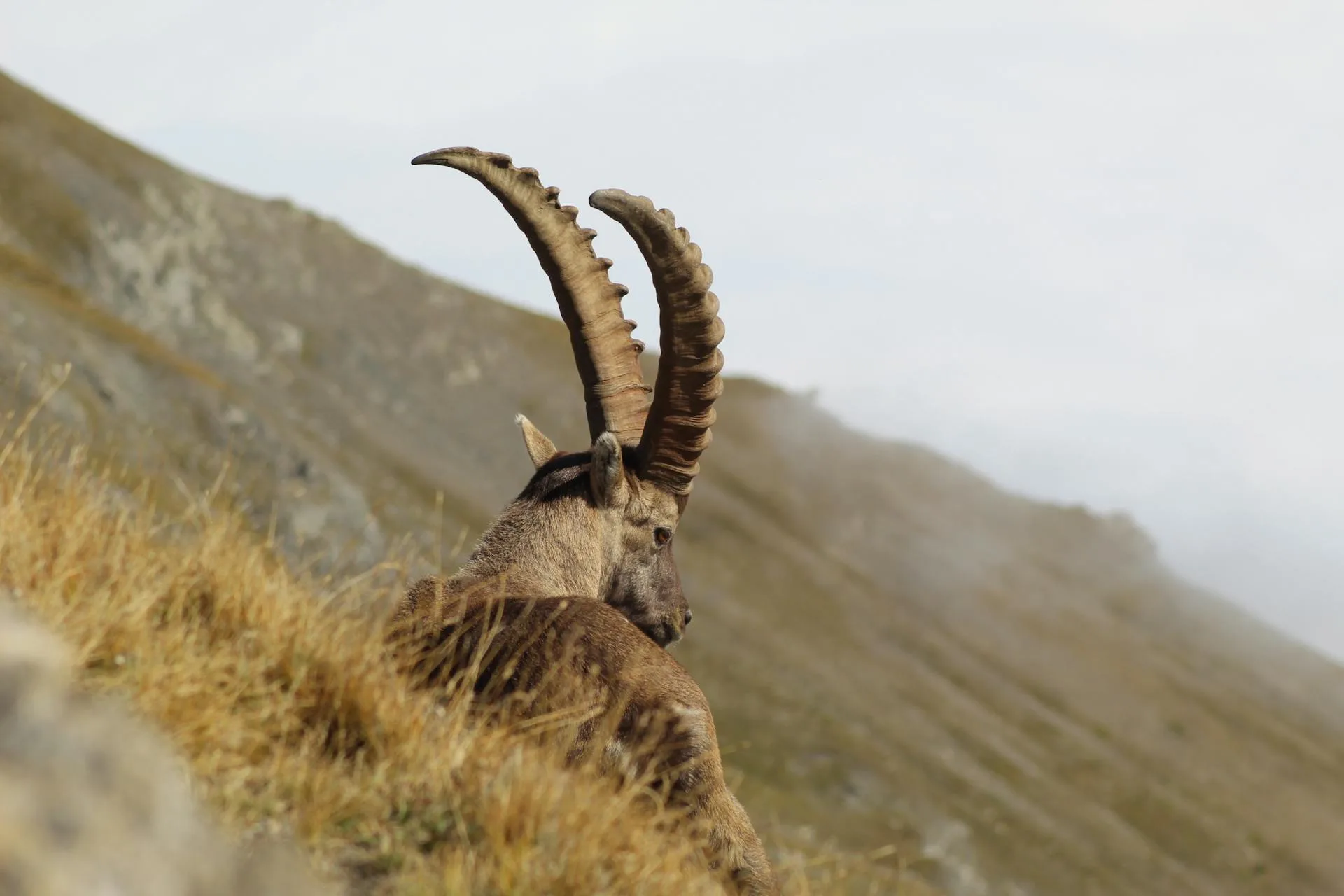
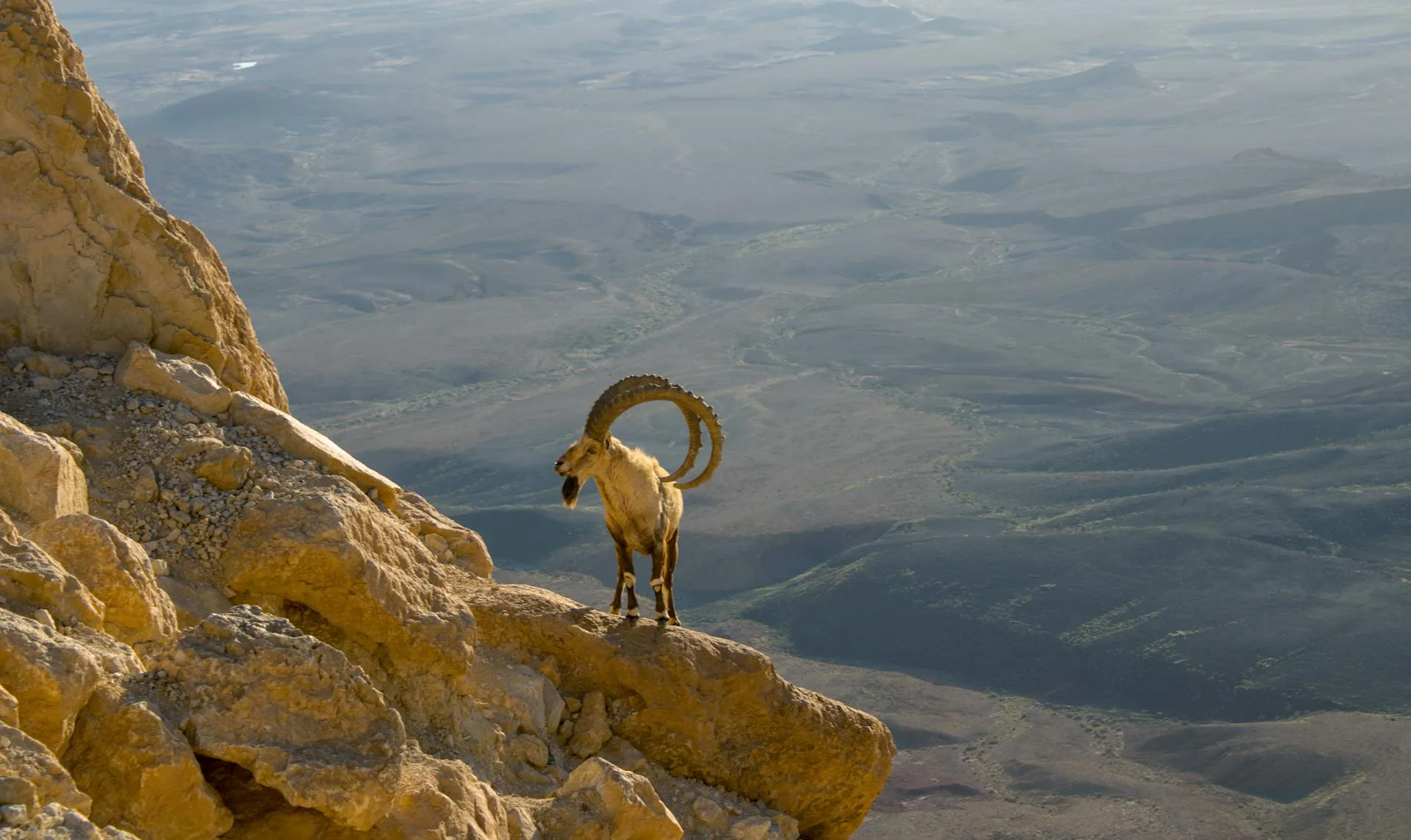
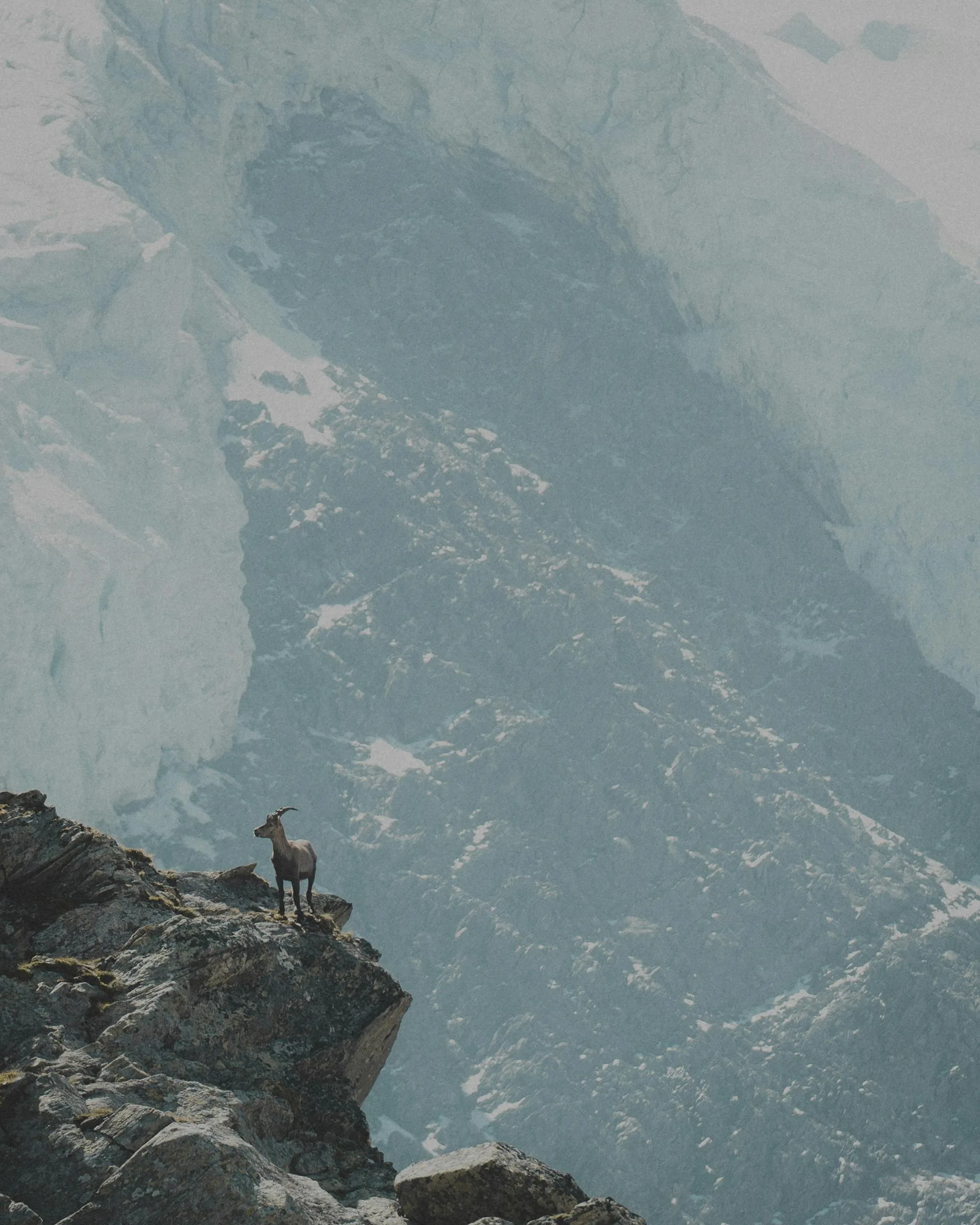
Khunjerab National Park, established in 1975, protects 2,269 square kilometres of high Karakoram terrain between 2,700 m and 5,800 m elevation — an ecosystem of staggering biological richness despite its apparent harshness. The park harbours what is thought to be one of the world's highest densities of snow leopards outside the Tibetan plateau: camera trap surveys in recent years have documented at least 12–18 individuals in the core zone. The park also supports the globally endangered Marco Polo sheep (Ovis ammon polii, whose range barely crosses into Pakistan from Tajikistan and China), along with Himalayan ibex, Siberian ibex, Himalayan brown bear, and the rare Tibetan wolf.
This conservation-focused trek leaves the KKH and enters the side valleys of the park where vehicular access is impossible. Routes lead through the Shimshal Pamir, Khunjerab Valley, and the Chapursan Valley — all high-altitude glacier-fed systems supporting distinct communities of wildlife and the semi-nomadic Wakhi herders who have coexisted with these animals for centuries. The Wakhi communities are integral to our itinerary: homestays with herding families provide context for the conservation challenges and successes that define this landscape.
Trek distances are moderate — typically 10–18 km per day at altitudes between 3,200 m and 4,600 m — but acclimatization is essential. Our guides include trained wildlife trackers who can read snow leopard scrapes, identify ibex trails, and interpret the subtle signs of a high-altitude ecosystem that most visitors never learn to see. This trek is as much a course in mountain ecology as it is a physical adventure.
Quick Facts
4,693 m
Max Trek Elevation
2,269 km²
National Park Area
7–9 Days
Trek Duration
Moderate–Strenuous
Physical Difficulty
Upper Hunza
Region
Jun–Sep
Best Season