Silk Route Festival & Hunza Autumn
KKH Heritage · Hunza Autumn · Late September-October
Last updated: · Reviewed by Javeed Iqbal, Founder
Duration
6-8 Days
Difficulty
Easy-Moderate
Group Size
2-12 people
Best Season
Late September-October (autumn)
About This Tour
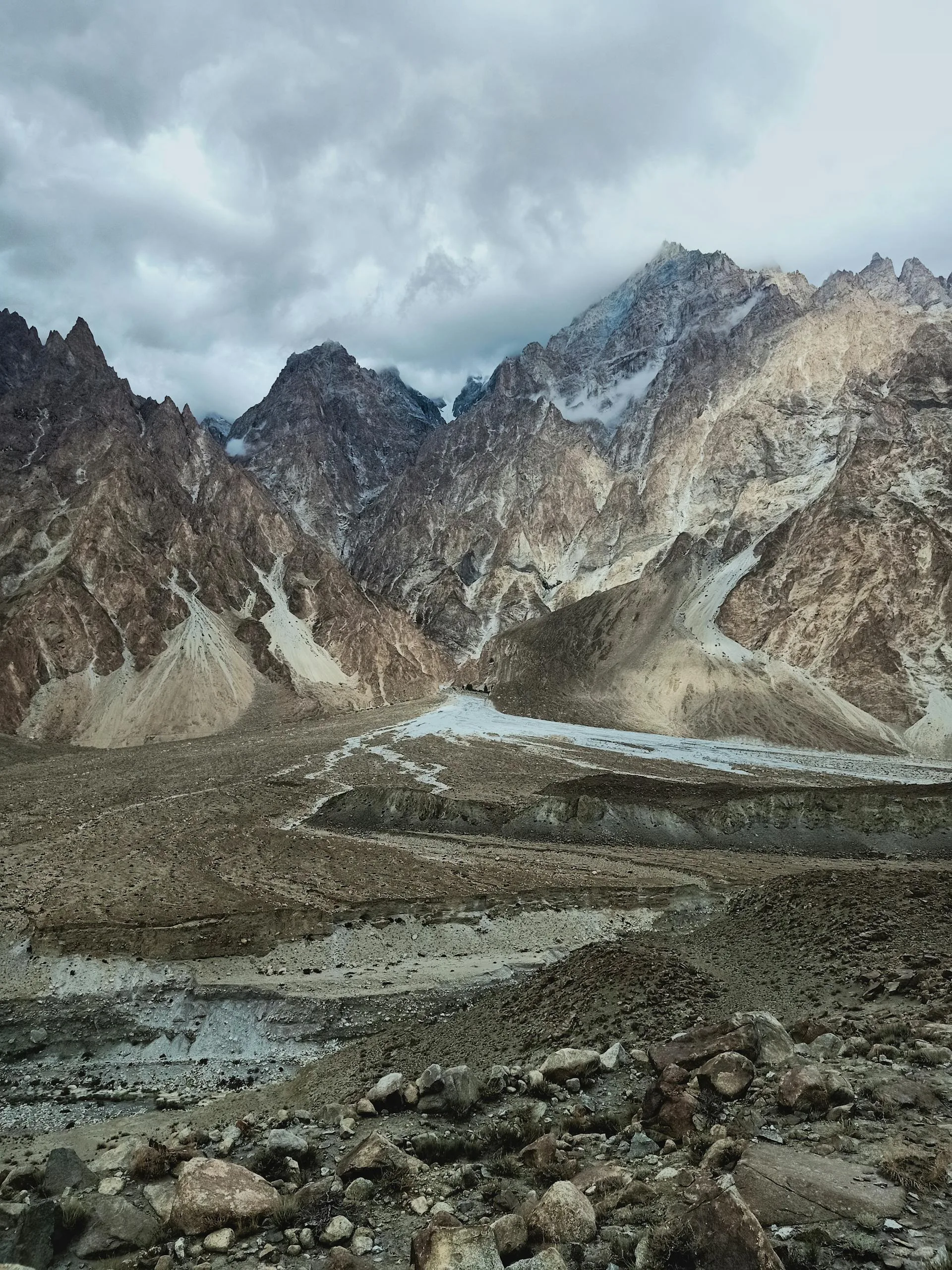
For more than two thousand years the corridor of the Karakoram Highway carried the Silk Road's southern branch, moving silk, gemstones, Buddhism and ideas between Kashgar and the plains of the subcontinent. The trade caravans are gone, but their world is oddly intact up here: forts above Karimabad that taxed the passing loads, Wakhi and Burusho villages that hosted the caravans, and craft traditions that began as trade goods. This tour drives that corridor in its best season, when the poplars turn gold and the orchards carry the last of the harvest.
The Silk Route Festival itself is a periodic celebration staged by the Gilgit-Baltistan tourism department, with folk musicians, polo, sword dances, artisan bazaars and performers who sometimes travel from Xinjiang and Central Asia. It is a genuine spectacle, and we attend whenever an edition is announced. It is also irregular: editions have run in Karimabad and Gulmit in late October, and more recently in August. So we build the tour around what autumn in Hunza reliably delivers, and treat the festival as the bonus it honestly is.
What autumn reliably delivers is worth the trip on its own. From late September to late October the valley turns: apricot and mulberry orchards go amber, poplar rows burn yellow against grey rock and fresh snow, and the villages work through the walnut and apple harvest. The light is the year's clearest, Rakaposhi and Ultar hold new snow, and the domestic summer crowds are gone.
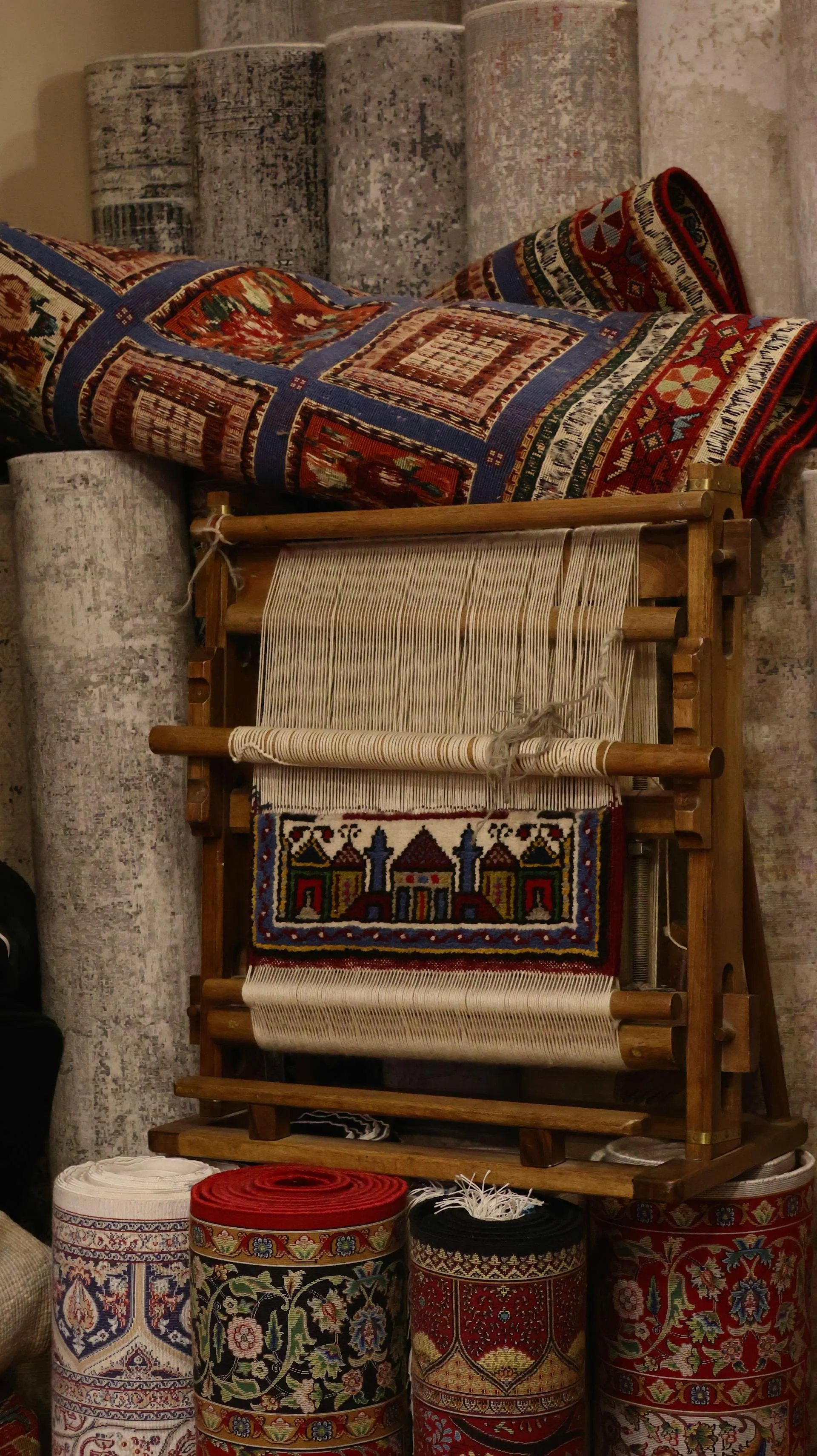
Our 6 to 8 day tour runs Islamabad to Gilgit and up the KKH to Karimabad, with the forts, Attabad Lake, the Passu Cones and Eagle's Nest, artisan workshops year-round, and festival days folded in when the dates land.
When Is the Silk Route Festival?
There is no fixed annual date, and any page that gives you one is guessing. The festival is staged by the Gilgit-Baltistan tourism authorities in some years and not others: the best-documented recent editions ran in late October in Karimabad and Gulmit, and a later one in early August. Dates are announced a few weeks ahead. We track the announcements and shift festival days into the itinerary when they fall inside your window. If no edition runs, the autumn harvest season carries the tour, and no one has ever gone home feeling short-changed by October in Hunza.
Hunza in Autumn: What You Actually See
Colour peaks roughly between the first and last week of October, moving down the valley as the month goes on. Mornings are crisp, around 5 to 10 degrees, days clear and mild in the upper teens. The orchard terraces below Baltit Fort turn first, then the poplar lines along the KKH. Villages are busy with the harvest: apricots already drying on rooftops, walnuts coming down, apples and grapes being packed for the down-country trucks. For photographers this is the year's best month, and our drivers know where the light lands at which hour, because they have been pulling over at the same bends for years.
Day-by-Day Itinerary
1Islamabad to Gilgit
Islamabad to Gilgit
2Gilgit to Karimabad
Gilgit to Karimabad
3Festival or Artisan Day
Festival or Artisan Day
4Baltit Fort & Altit Fort
Baltit Fort & Altit Fort
5Attabad Lake & Passu Cones
Attabad Lake & Passu Cones
6Eagle's Nest Sunrise & Harvest Day
Eagle's Nest Sunrise & Harvest Day
7Karimabad to Gilgit
Karimabad to Gilgit
8Departure
Departure
Getting There
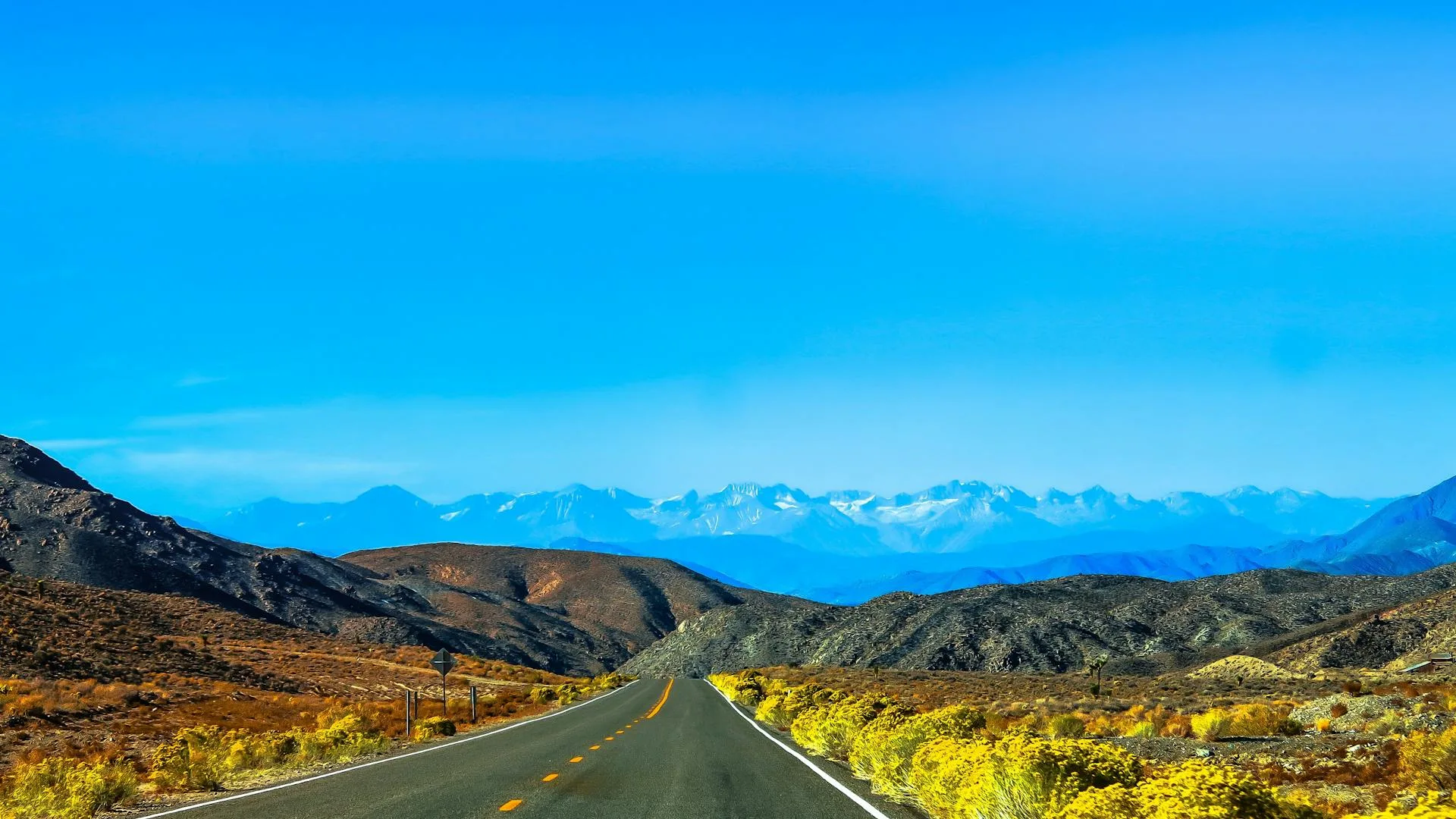
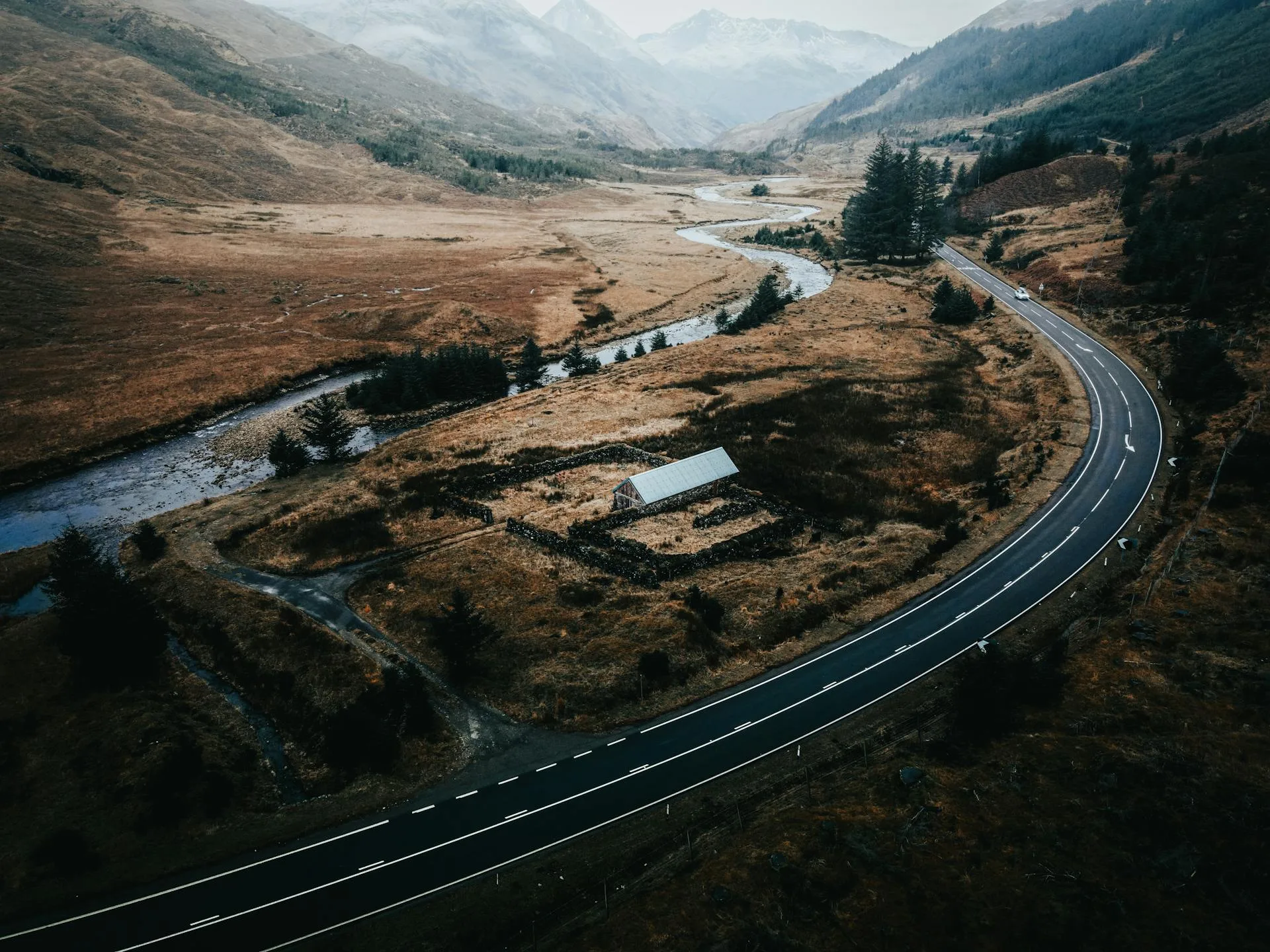
The week hinges on the Islamabad to Gilgit flight, a 50-minute hop past Nanga Parbat that is one of the world's great short flights and also one of its least dependable, since it only flies in clear weather. We book it and hold the KKH road plan in reserve: a long but spectacular day via Besham or the Babusar Pass while it stays open. From Gilgit everything else is two-lane highway, and in autumn the road is at its calmest.
Who This Tour Is For
Travellers who want culture and scenery in the same week without trekking for it. Walking is easy: village lanes, fort staircases and viewpoints, all between 1,500 and 2,900 m. Photographers should bring more storage than they think they need. And if your dates are flexible, tell us; we will steer you toward the first half of October, and toward festival dates if an edition is announced.
Why Book With Us
We are a Gilgit-Baltistan operator and autumn is our home season. We hear about festival dates through the local grapevine before they reach the press, our guesthouse partners in Karimabad keep rooms for us through the October rush, and our guides have explained Baltit Fort more times than its caretakers. Licensed operator, small groups, both flights included and a road plan in reserve.
What's Included
Not Included
Frequently Asked Questions
When is the Silk Route Festival held?
When is the Silk Route Festival held?
What is the Silk Route Festival?
What is the Silk Route Festival?
Is October a good time to visit Hunza?
Is October a good time to visit Hunza?
When do the autumn colours peak in Hunza?
When do the autumn colours peak in Hunza?
What is the weather like in Hunza in autumn?
What is the weather like in Hunza in autumn?
Autumn or cherry blossom season, which is better?
Autumn or cherry blossom season, which is better?
Is the Karakoram Highway worth it?
Is the Karakoram Highway worth it?
Do I need a permit for this tour?
Do I need a permit for this tour?
Ready for Your Next Adventure?
Join our community of explorers and discover the journey of a lifetime. Our expert team is ready to help you plan your perfect expedition.