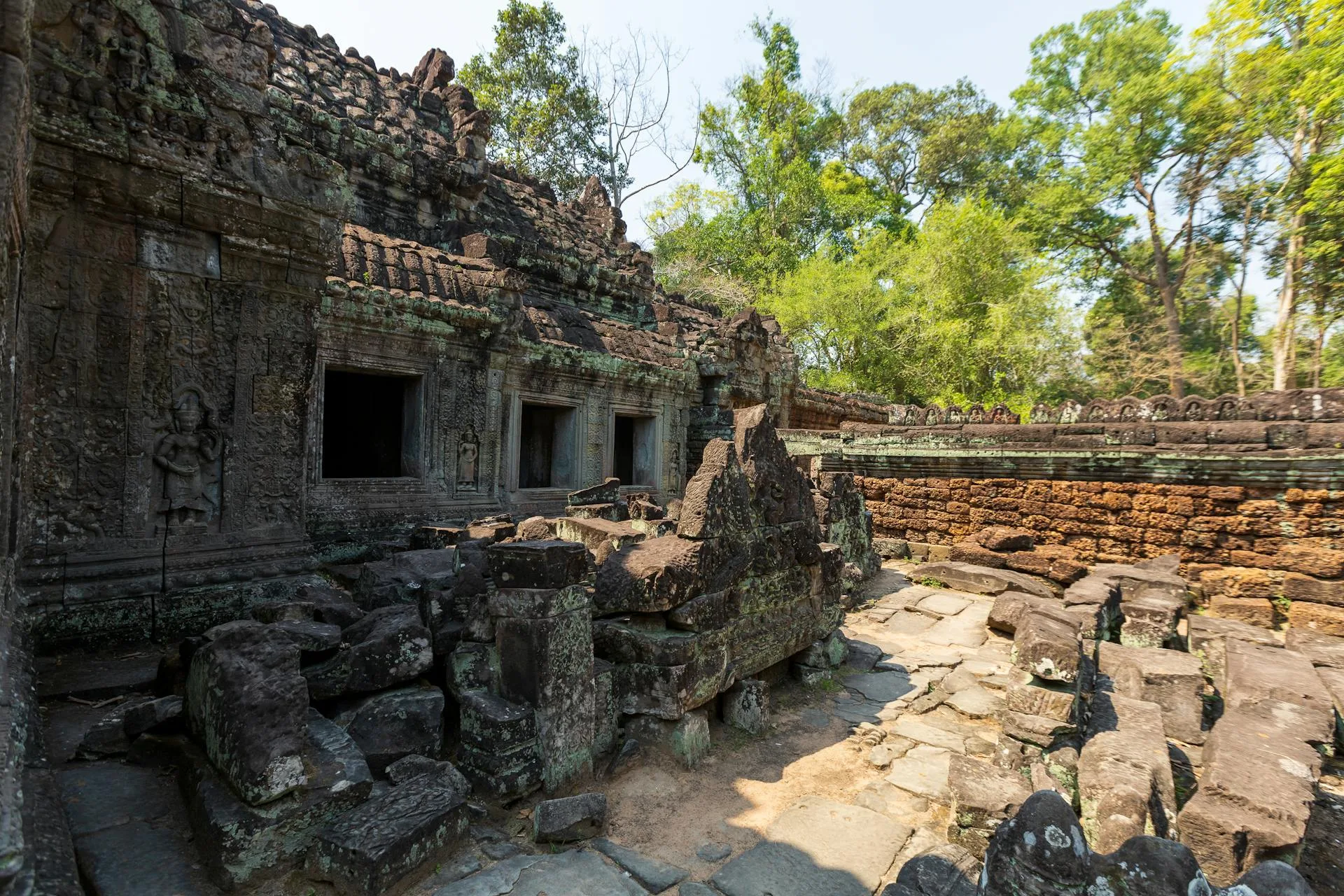
Taxila & Gandhara Heritage Tour
3–5 Days | 2,500 Years of Buddhist Civilization
Photo Gallery
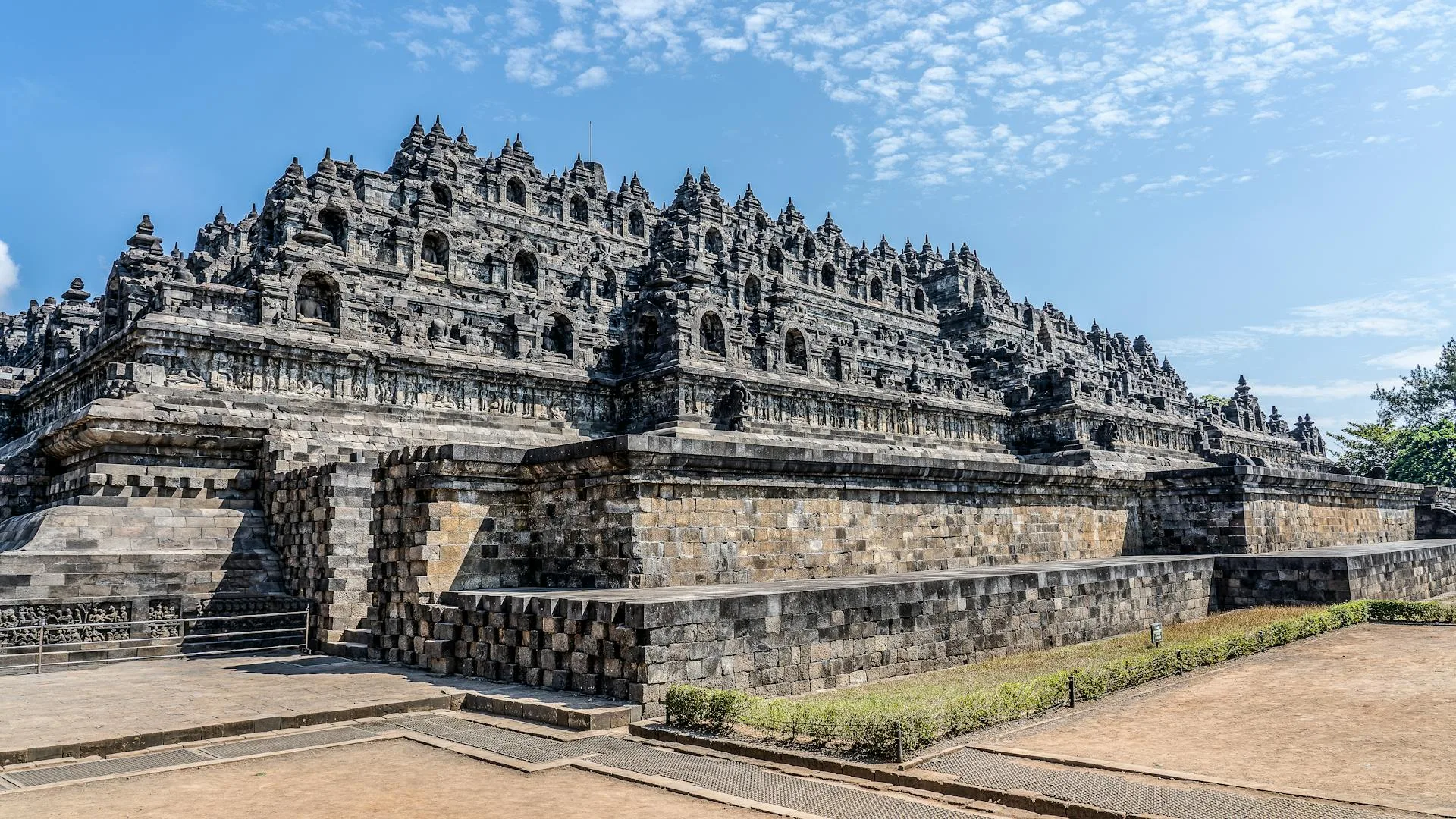
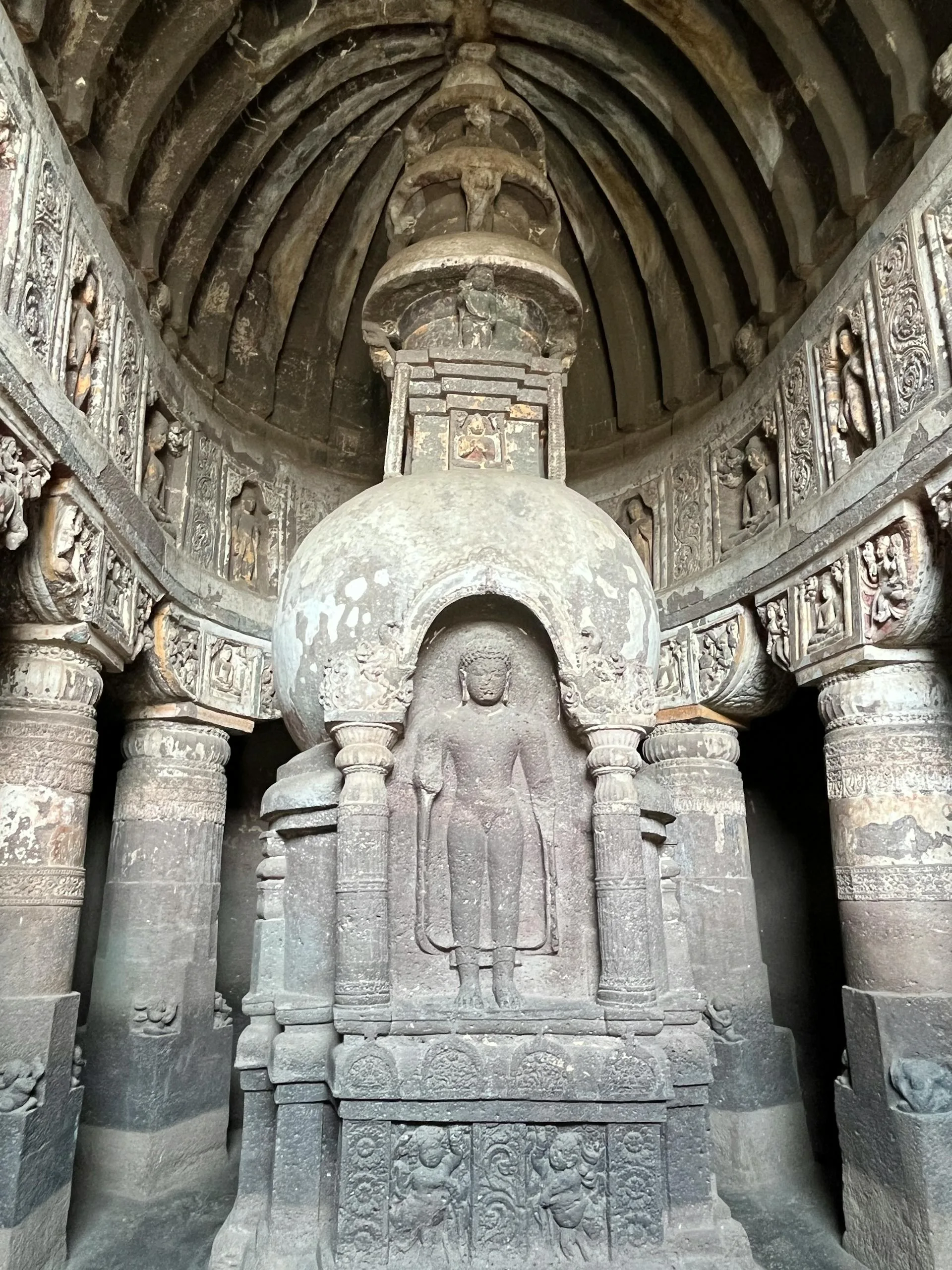
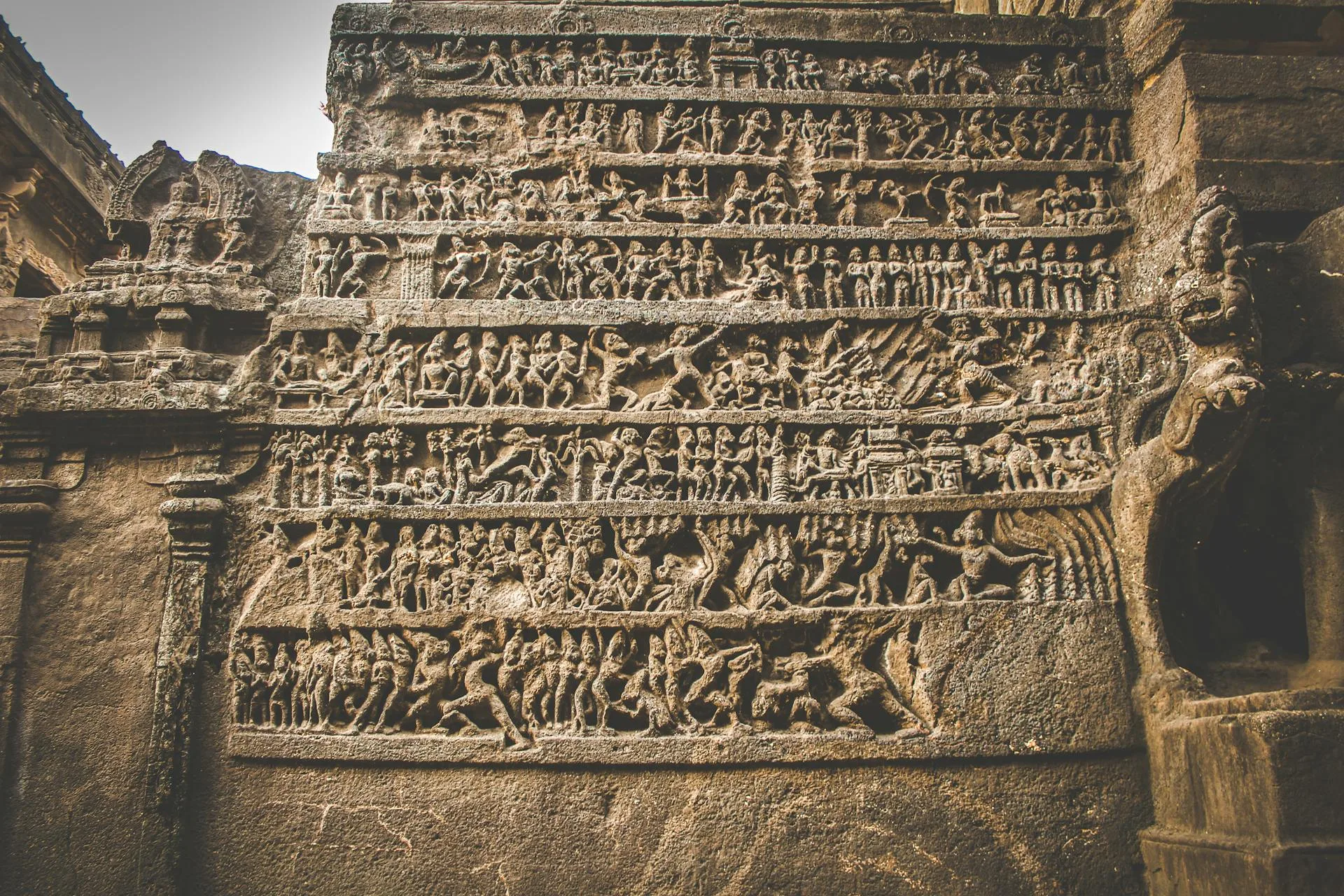
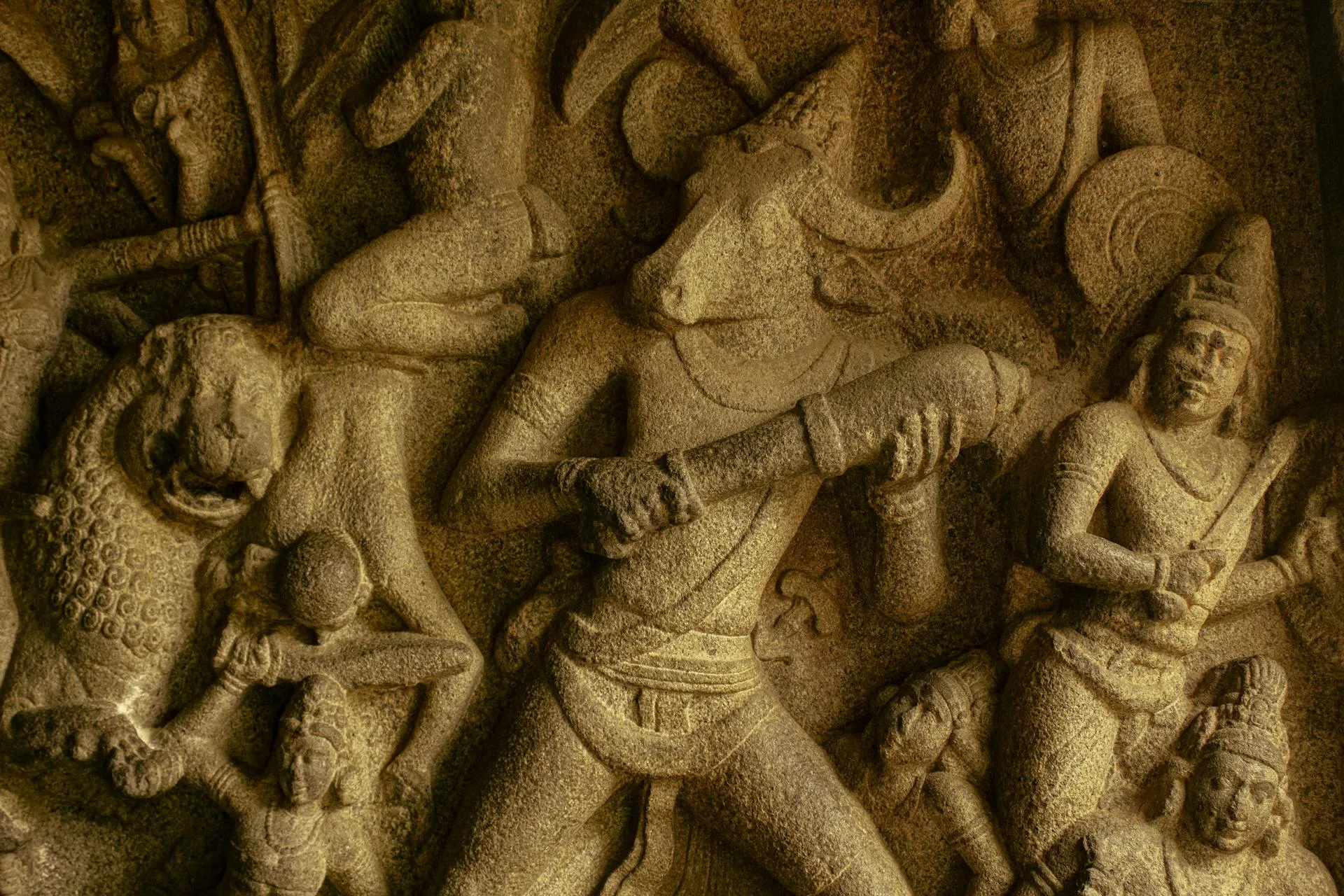
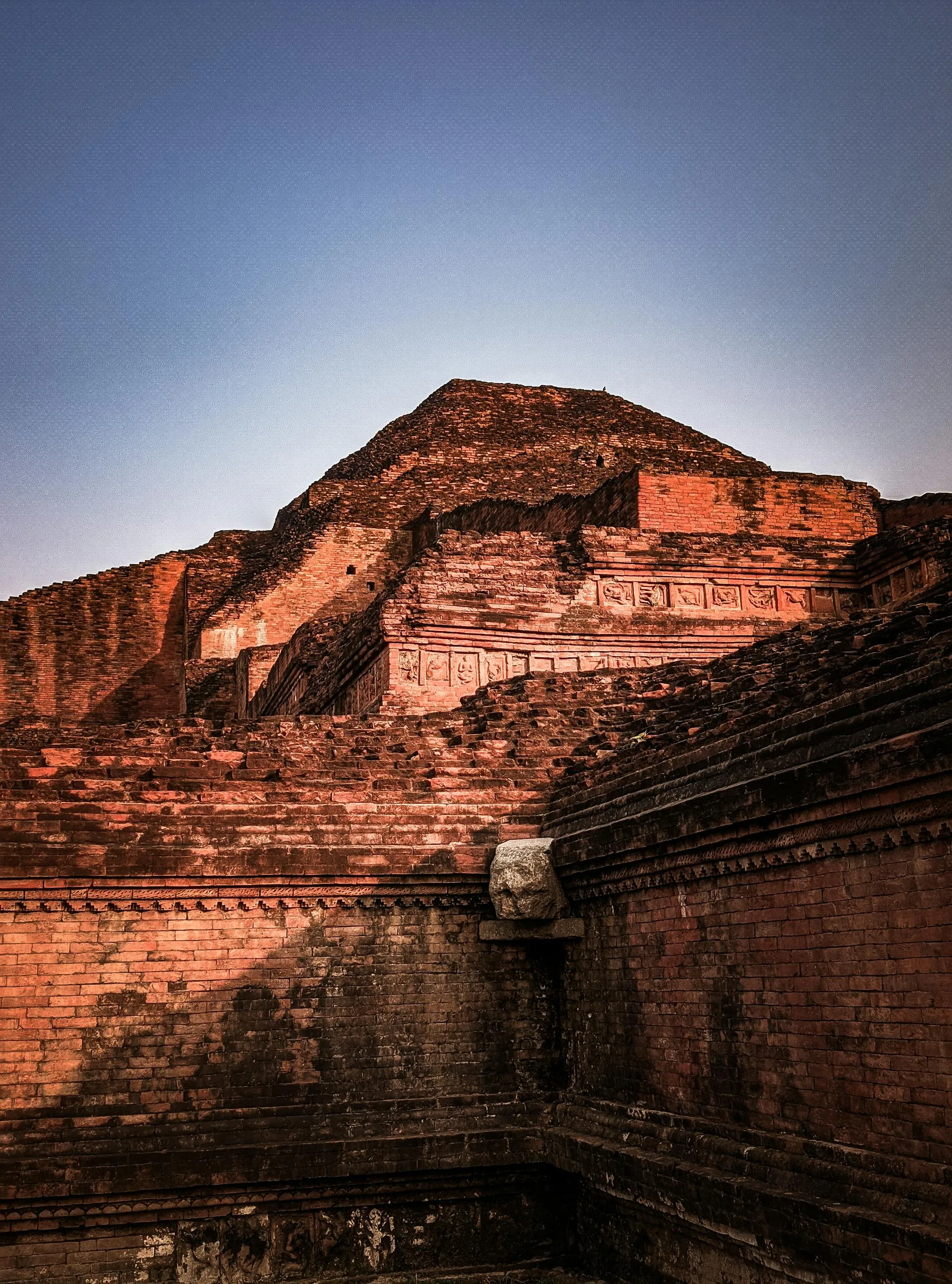
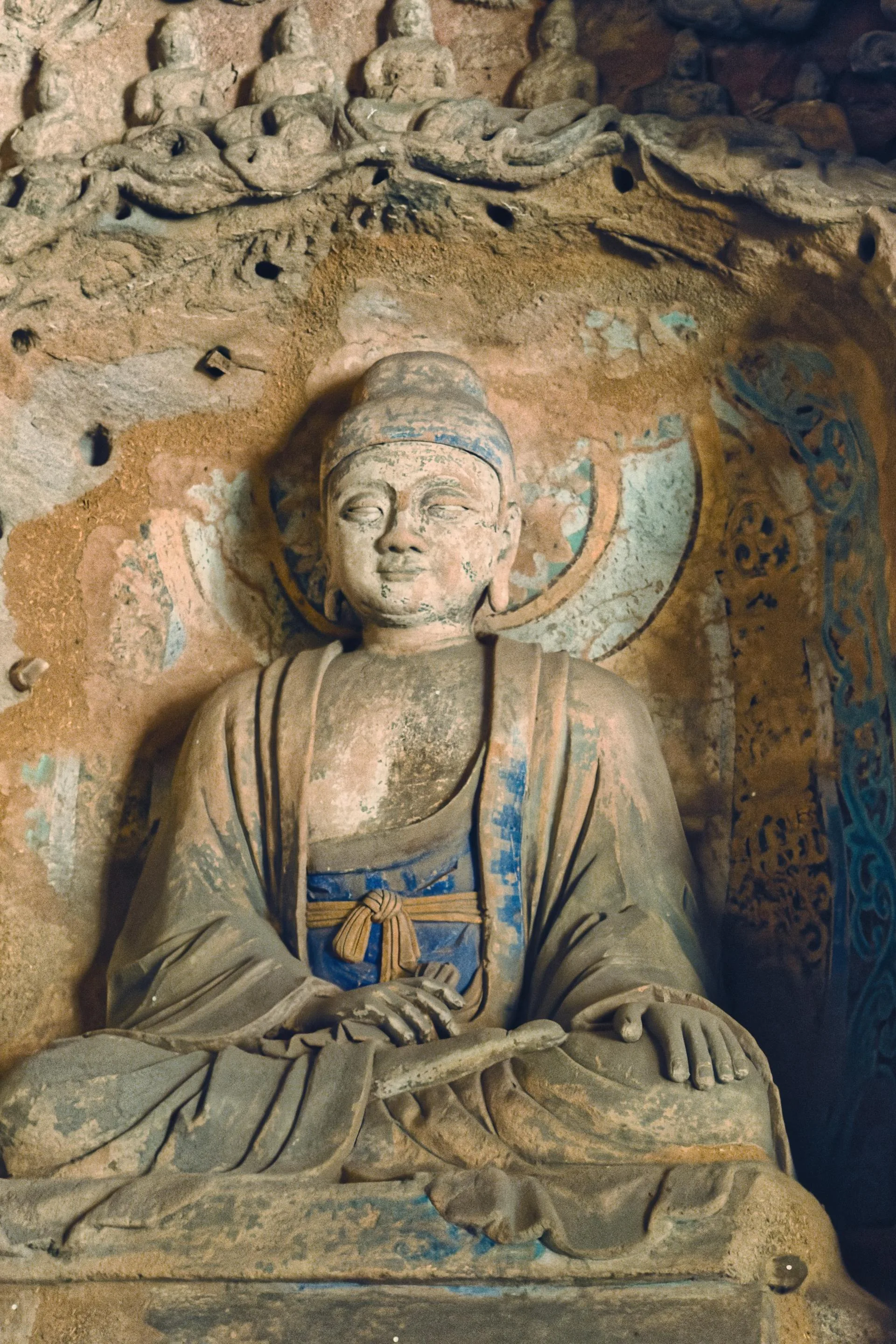

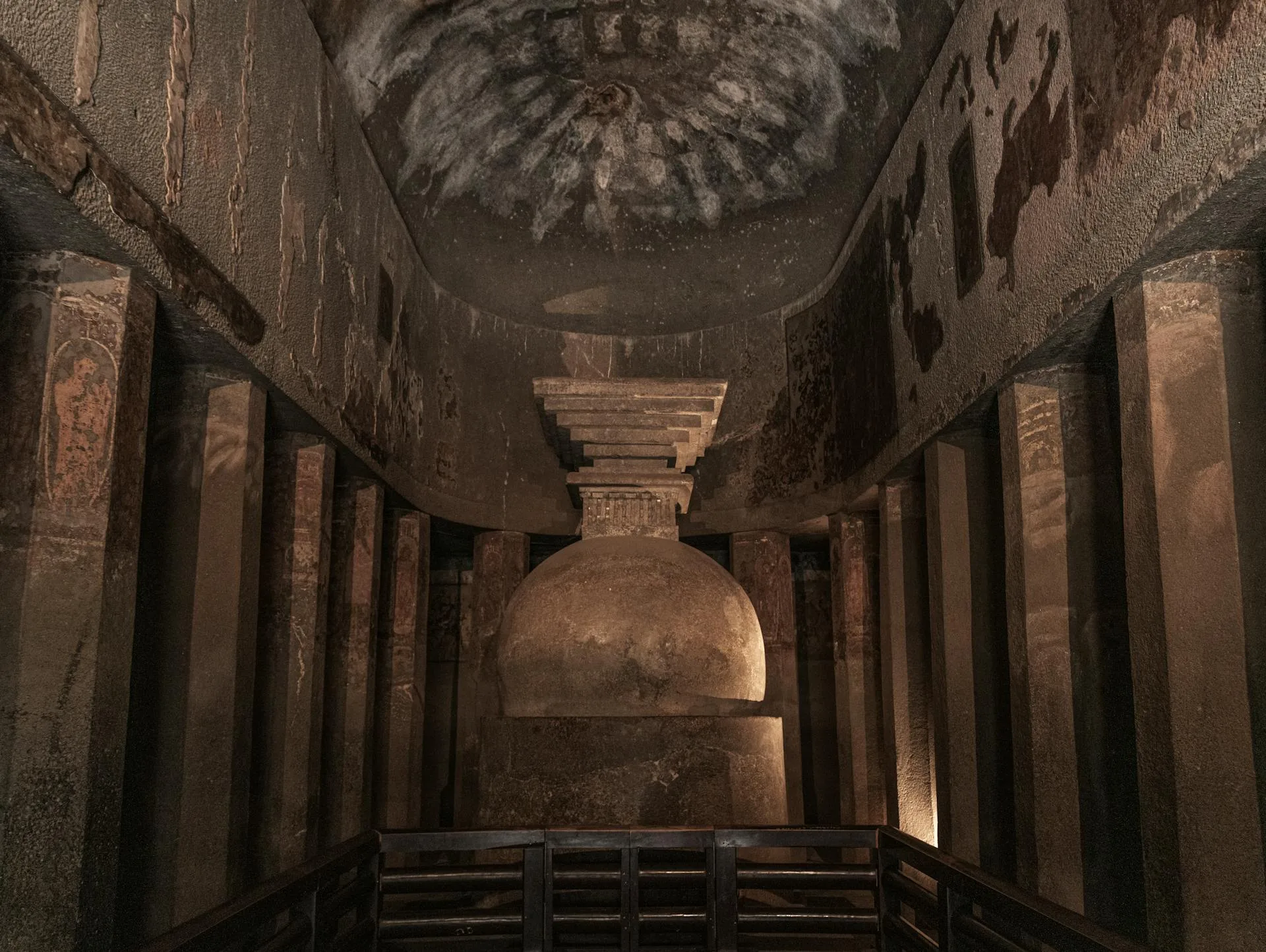
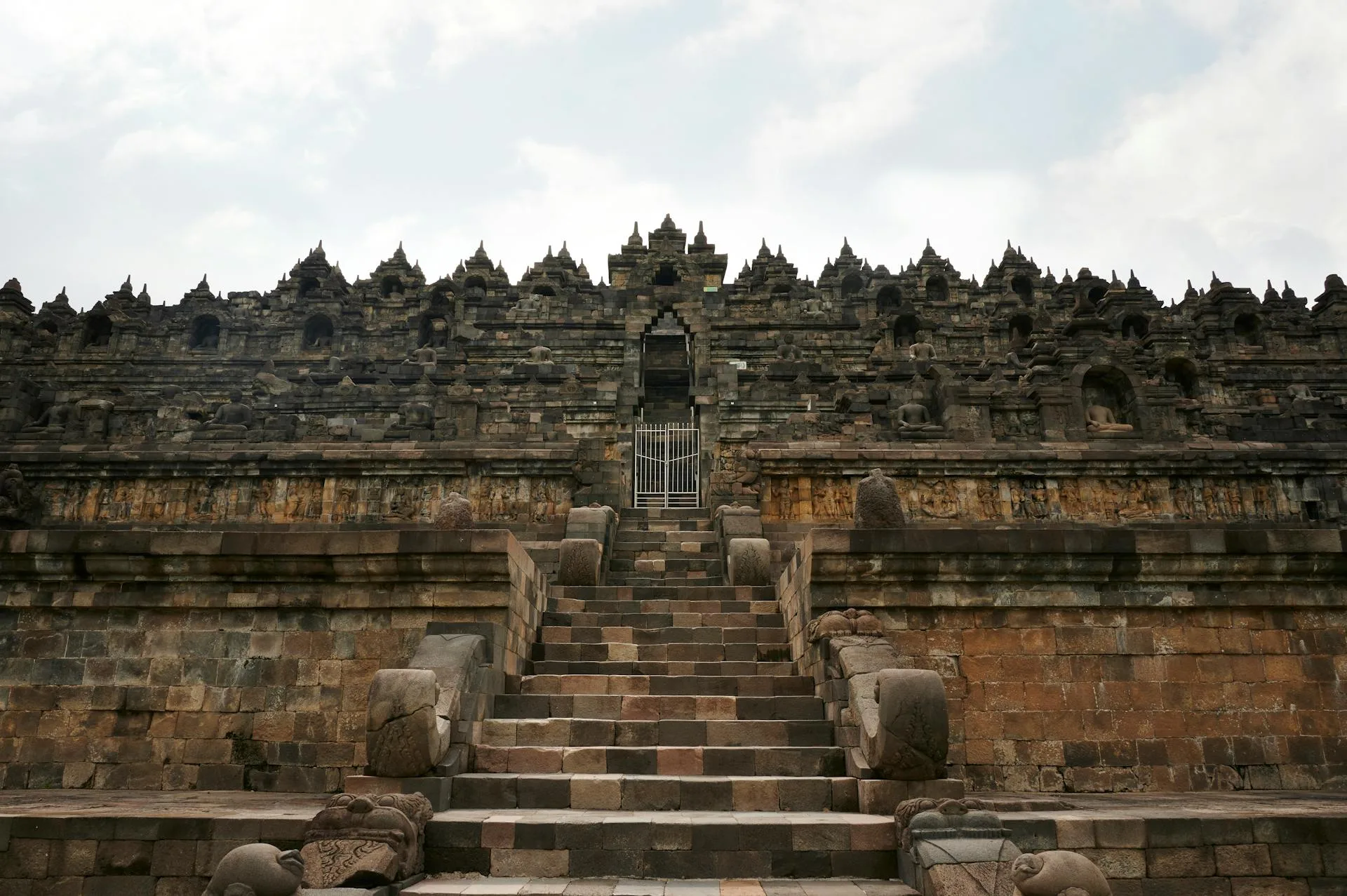
Where Alexander the Great Met the Buddha's Legacy
Taxila — Takshashila in Sanskrit, meaning 'city of cut stone' — is one of the ancient world's greatest urban centres, a UNESCO World Heritage Site comprising three distinct cities and numerous Buddhist monasteries and stupas spread across 30 square kilometres of rolling Potohar plateau terrain, 35 km north-west of Islamabad. The site's occupation spans 1,000 years: from the Achaemenid Persian period (6th century BC) through the Macedonian conquest under Alexander the Great (326 BC), the Mauryan Empire of Ashoka (3rd century BC), the Parthian, Scythian, and Kushana periods, to the Gupta and White Hun invasions of the 5th century AD. At its height in the 4th–5th century AD, Taxila-Sirsukh was a city of perhaps 300,000 people and the leading centre of Buddhist learning in the eastern world.
The Gandhara civilization that flourished in this region between the 1st and 5th centuries AD produced one of antiquity's most significant artistic traditions: Gandhara sculpture, which depicted the Buddha in human form for the first time in history (earlier Buddhist art used symbols to represent the Buddha, never his likeness). These sculptures — combining Hellenistic stylistic influences from post-Alexander Greek kingdoms with Indian iconographic conventions — were the prototype for all subsequent Buddhist artistic traditions across Asia, from China to Japan. The Taxila Museum holds one of the world's finest collections of Gandhara sculpture, and the sites themselves preserve the physical context of this extraordinary convergence.
Our tour covers the four essential Taxila sites: Dharmarajika Stupa & Monastery (3rd century BC–5th century AD, largest stupa at Taxila), Jaulian Monastery (5th century AD, exquisitely preserved with 20+ intact Buddha niches), Mohra Muradu (a smaller monastery with frescoed surfaces), and the Museum. We also visit the Hephzibah Buddhist Monastery and Mankiala Stupa for dedicated heritage enthusiasts. The tour departs Islamabad daily and can be combined with Taxila's modern archaeological dig sites.
Quick Facts
6th c. BC
Oldest Taxila Occupation
UNESCO
World Heritage Status
3–5 Days
Tour Duration
Easy
Physical Difficulty
35 km from Islamabad
Distance from Capital
Year-round
Open Season