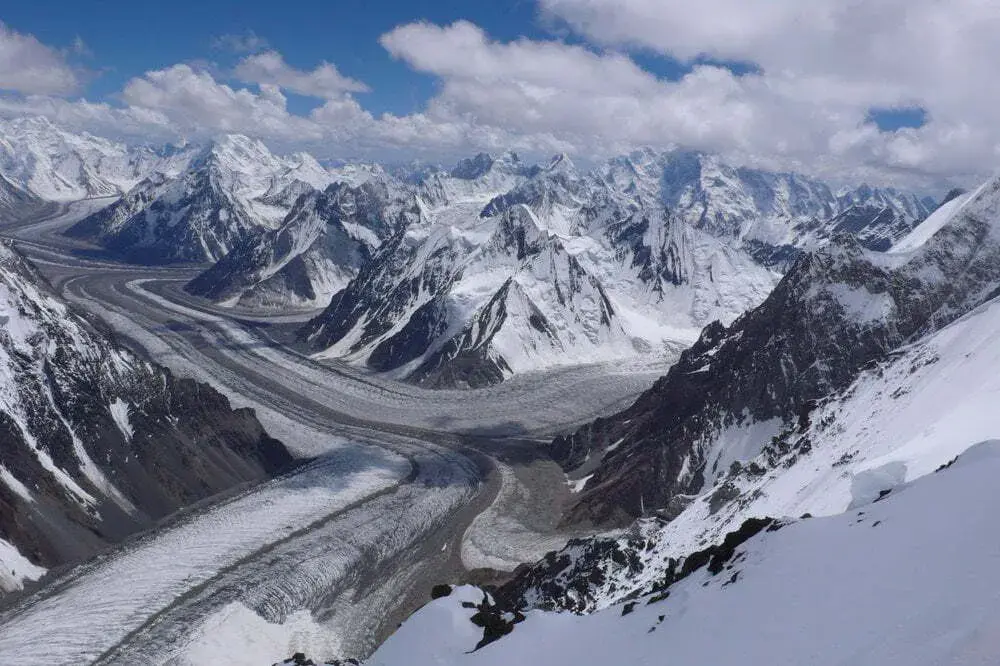
Broad Peak
The classic Karakoram eight-thousander
Elevation
8,051m
Difficulty
Extreme
Duration
45–55 Days
Best Season
Jun–Aug
About This Peak
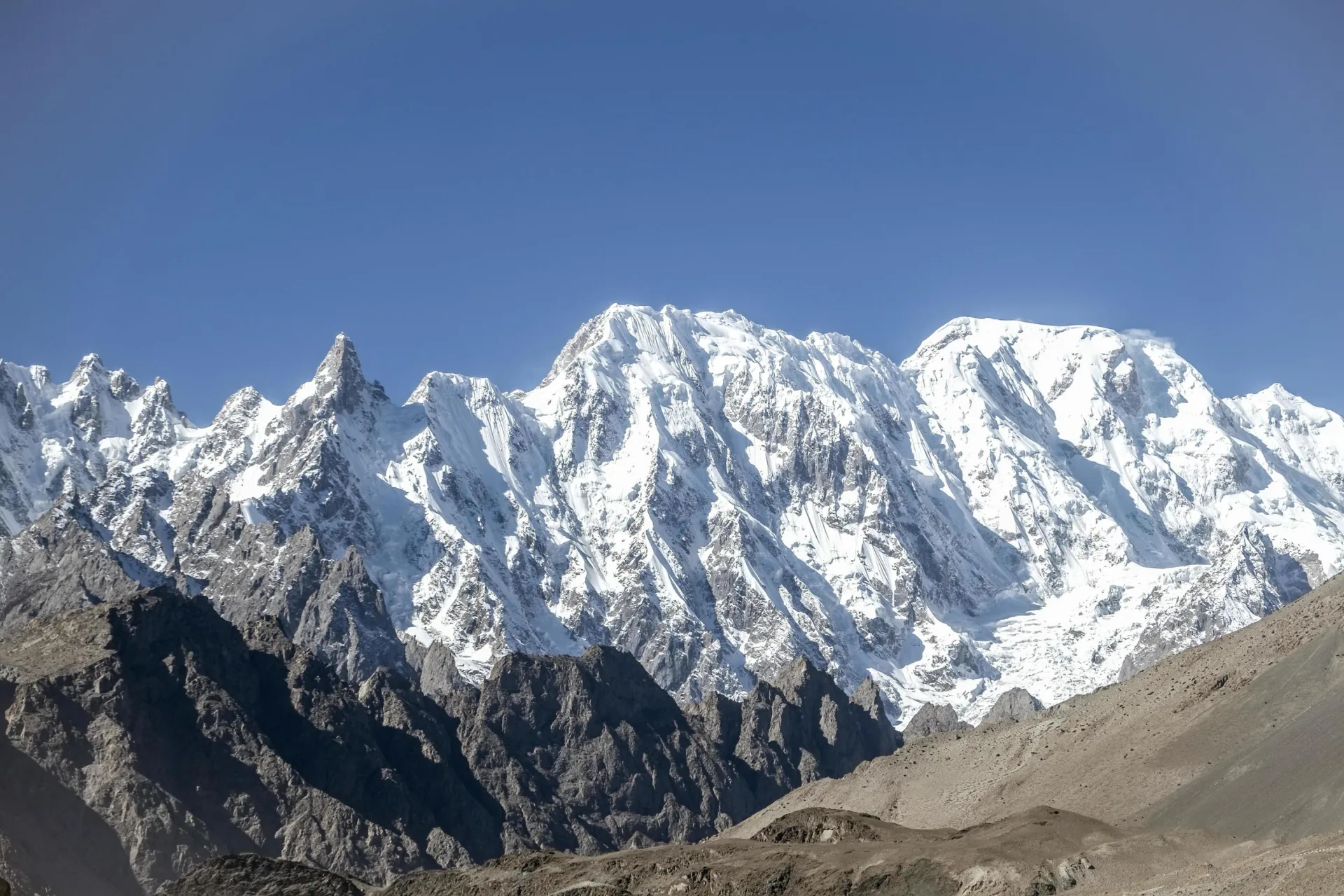
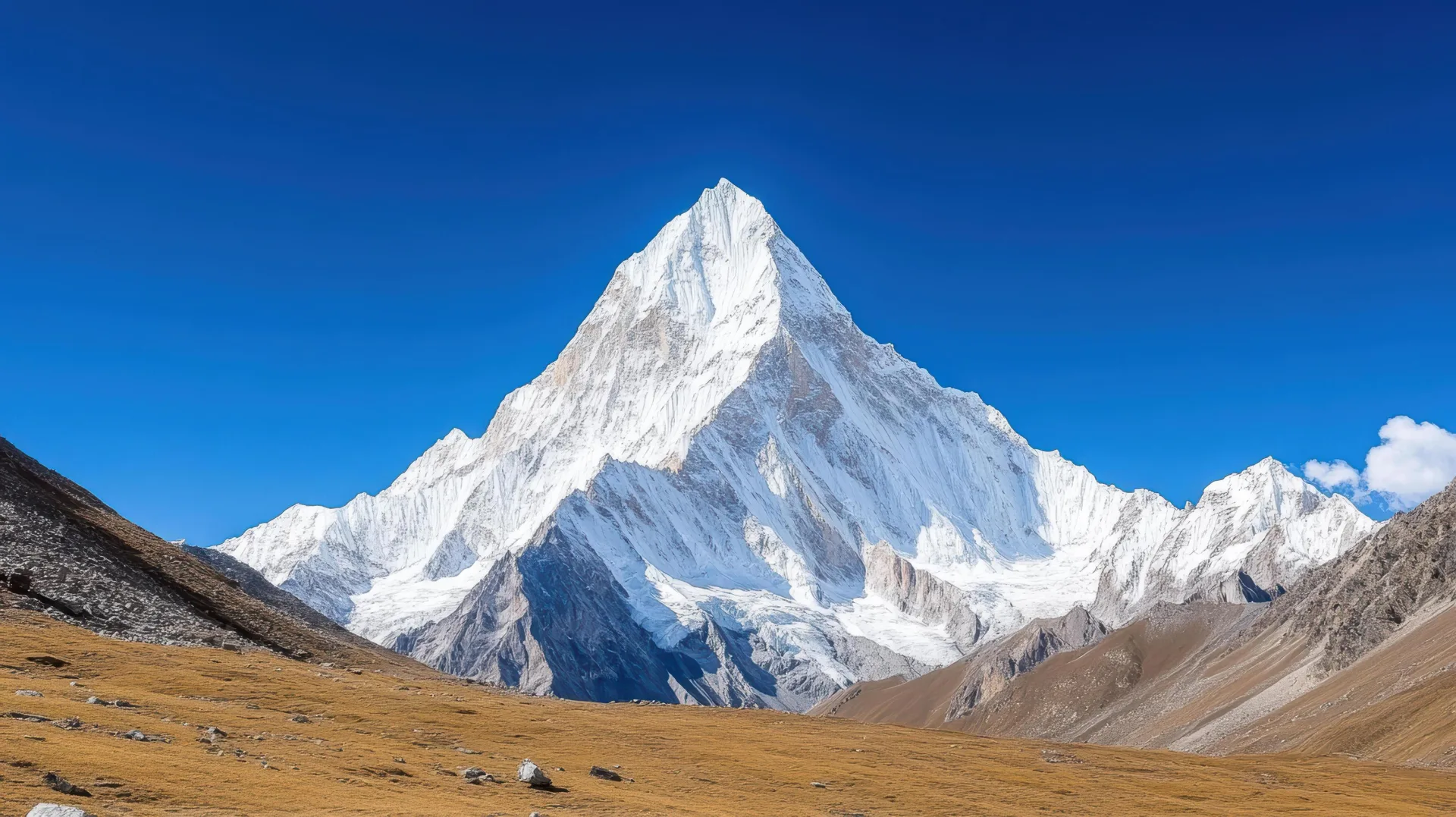
Broad Peak at 8,051m is the 12th-highest mountain in the world, named for its expansive, flat summit ridge spanning over 1.5 kilometers. Located in the Karakoram Range, just 8km from K2.
First climbed in 1957 by an Austrian team led by Marcus Schmuck without supplemental oxygen or high-altitude porters — a landmark in alpine-style mountaineering. This tradition of lightweight climbing continues today.
Often considered the most "accessible" 8000er after Cho Oyu, Broad Peak offers serious mountaineers a genuine eight-thousander experience with a relatively straightforward (though still extremely demanding) normal route.
The West Spur is the standard route on Broad Peak, following the original 1957 line established by the Austrian first-ascent team. It offers a relatively direct path up the western flank of the mountain, though "direct" at this altitude still means weeks of acclimatization and effort.
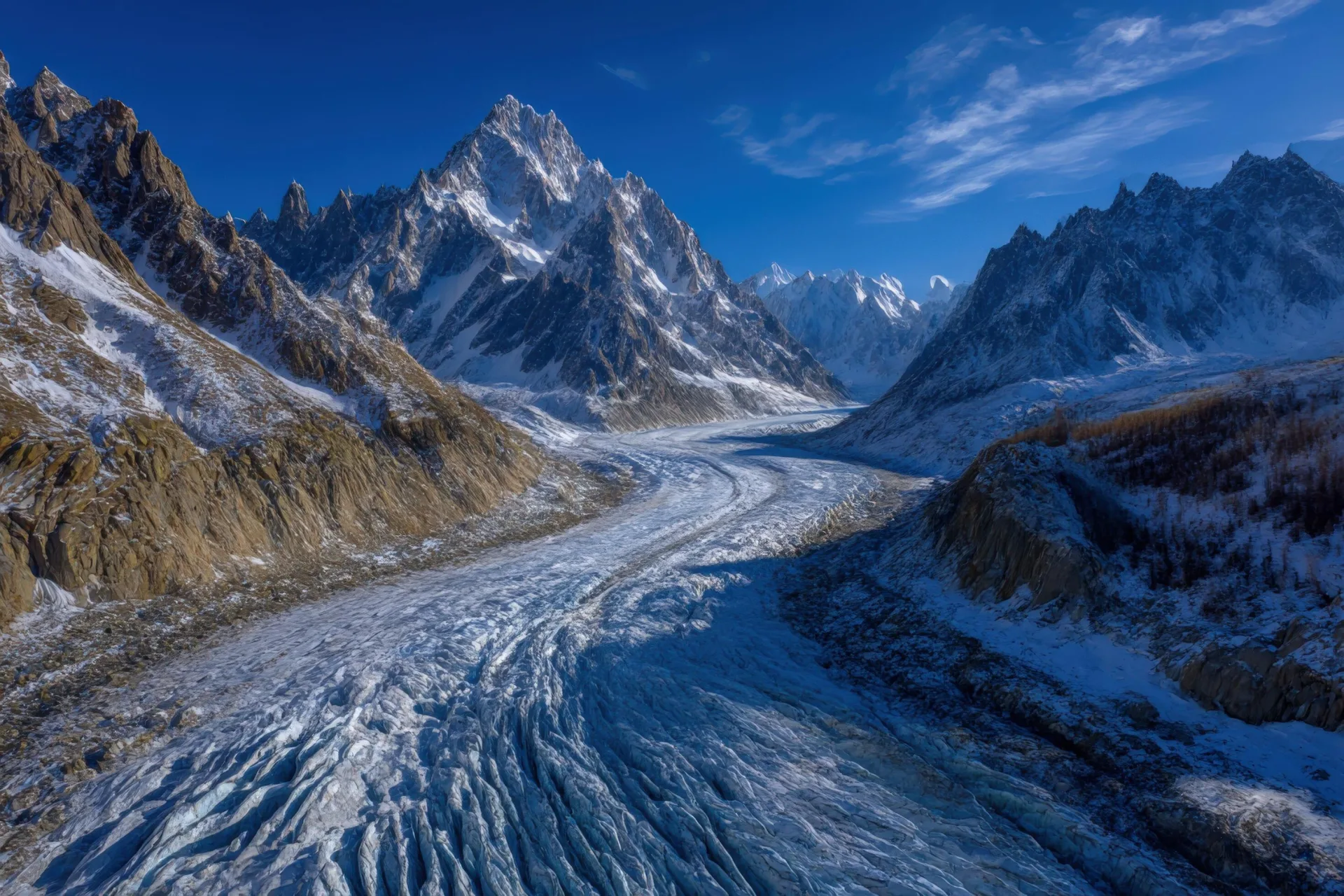
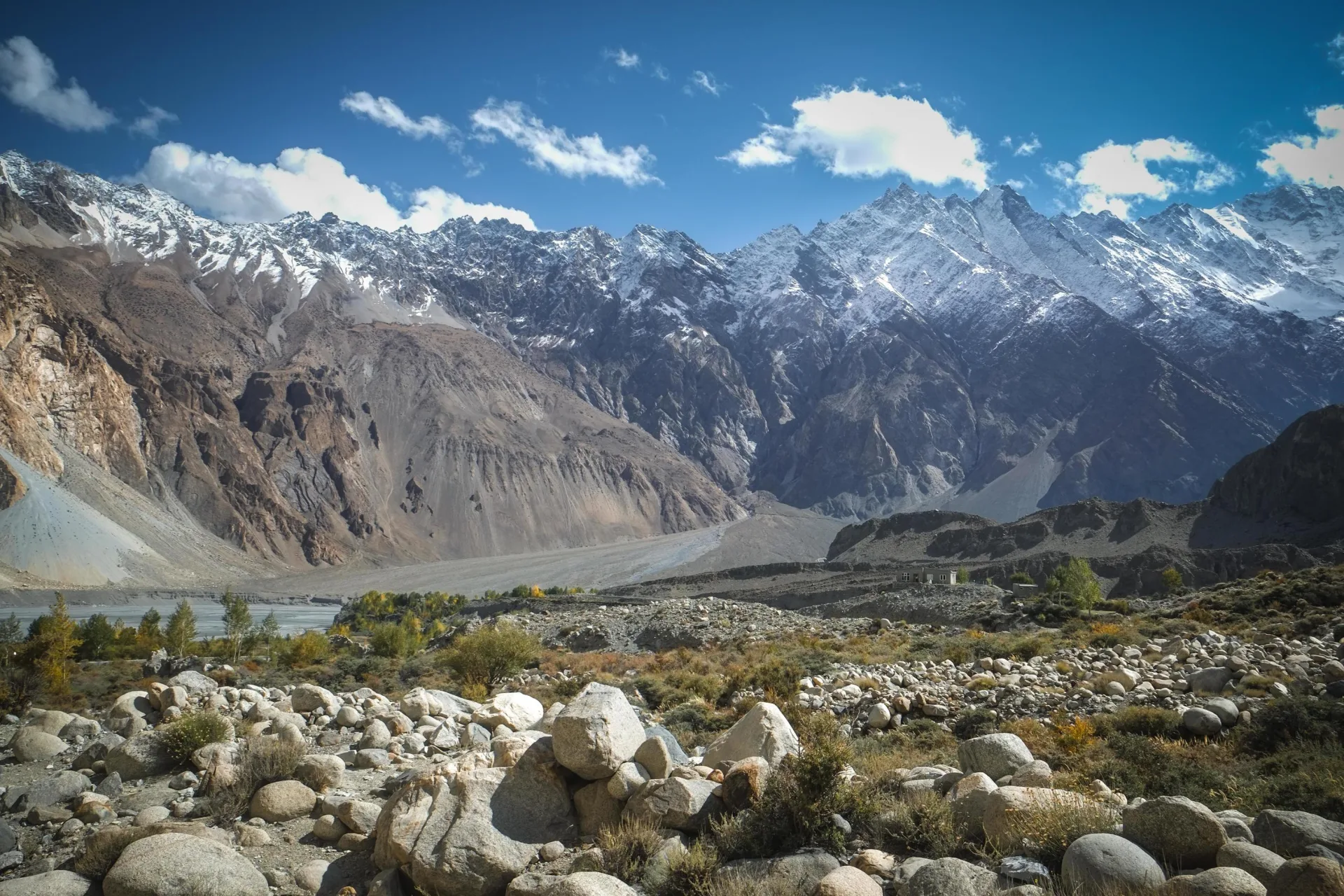
Base Camp (4,960m): Situated on the Godwin-Austen Glacier after the approach from Concordia. The camp provides stunning views of K2 across the glacier and serves as the logistical hub for the expedition.
Camp 1 (5,900m): Reached via moderate snow slopes and a rocky rib on the lower West Spur. This camp marks the start of the technical climbing terrain.
Camp 2 (6,400m): Positioned on a snow shelf partway up the spur. The route steepens here with mixed rock and ice sections requiring fixed ropes.
Camp 3 (7,000m): A cramped but critical camp on the upper spur. Climbers begin to feel the full effects of extreme altitude, and rest days here are essential.
Camp 4 (7,400m): The final high camp before the summit push. From here, climbers traverse to the col between the fore-summit and main summit.
Summit Push (8,051m): The notorious summit ridge stretches over 1.5km — deceptively long and exhausting at extreme altitude. Many climbers reach the fore-summit but turn back before the true summit due to the extended traverse. The round trip from Camp 4 typically requires 12–16 hours.
Climbing History
1954
First Reconnaissance
First Reconnaissance
German-Austrian expedition explored the mountain and identified the West Spur as the most logical route.
1957
First Summit
First Summit
Fritz Winterstetter, Marcus Schmuck, Kurt Diemberger, and Hermann Buhl summited on June 9 — remarkably with no high-altitude porters.
1957
Hermann Buhl's Last Climb
Hermann Buhl's Last Climb
Just days after Broad Peak, Hermann Buhl disappeared on nearby Chogolisa. His Broad Peak ascent was his final successful summit.
1984
Krzysztof Wielicki Solo
Krzysztof Wielicki Solo
Polish climber Krzysztof Wielicki made a remarkable solo ascent, demonstrating the route's feasibility for strong individuals.
2013
First Winter Ascent
First Winter Ascent
Maciej Berbeka and Tomasz Kowalski (Poland) summited on March 5 — tragically both died during the descent.
Recommended Reading
Summits and Secrets
by Kurt Diemberger (1971)
Summits and Secrets
by Kurt Diemberger (1971)
Broad Peak
by Richard Sale (2004)
Broad Peak
by Richard Sale (2004)
Thin Air: Encounters in the Himalayas
by Greg Child (1988)
Thin Air: Encounters in the Himalayas
by Greg Child (1988)
What's Included
Not Included
Ready for Your Next Adventure?
Join our community of explorers and discover the journey of a lifetime. Our expert team is ready to help you plan your perfect expedition.