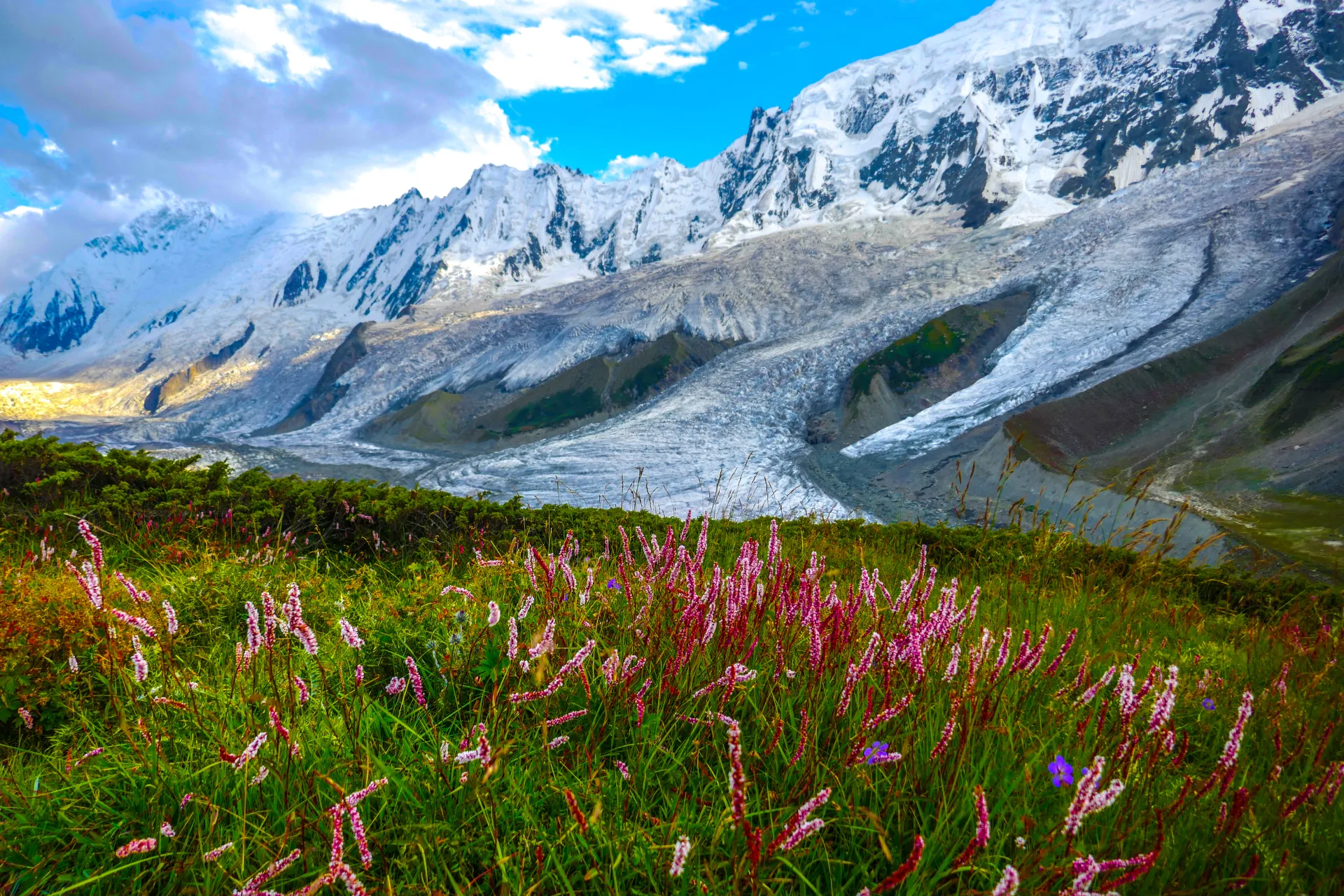
Rakaposhi
L'une des plus grandes élévations verticales de la Terre
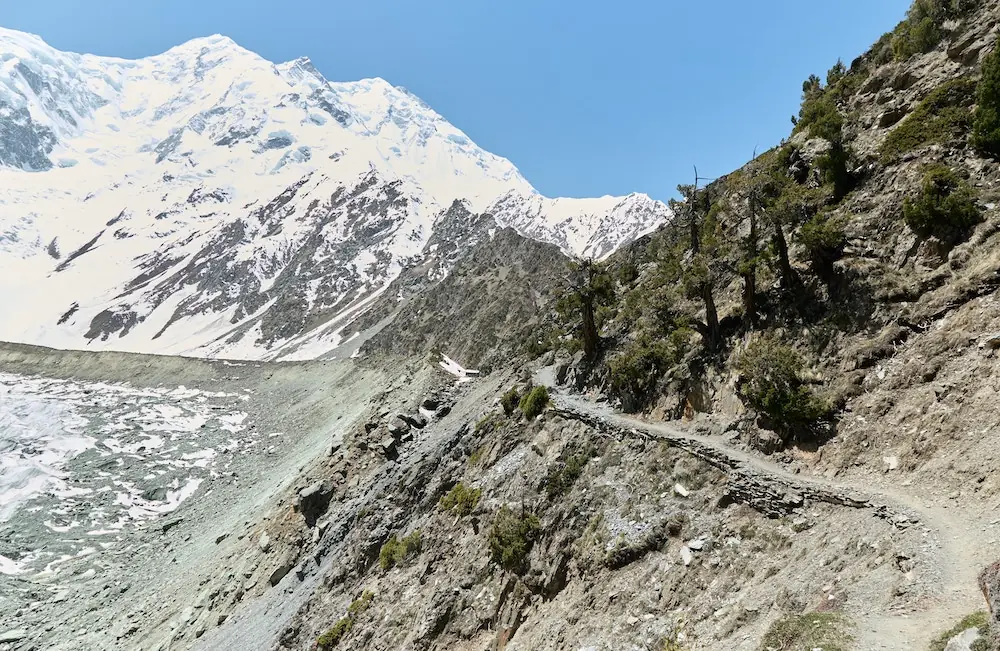
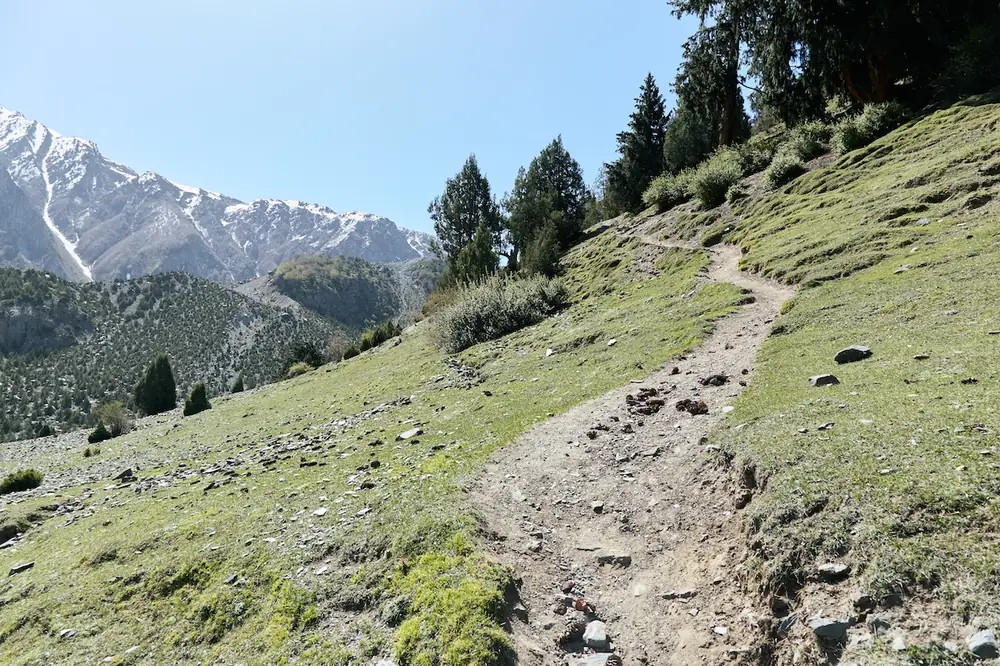
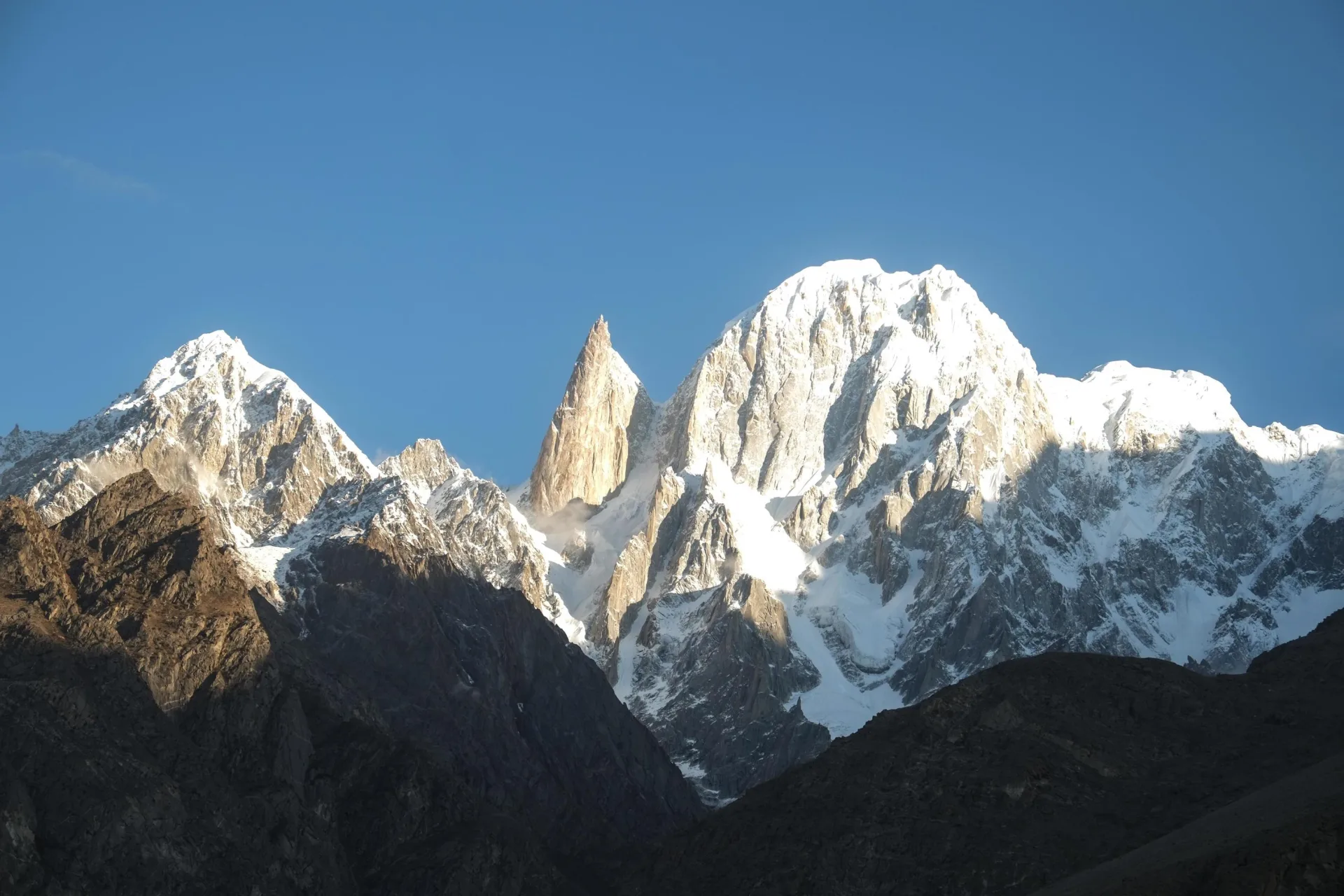
Altitude
7,788m
Difficulté
Extreme
Durée
35-45 Days
Meilleure saison
Jun-Aug
Expédition au Rakaposhi : gravir le Mur étincelant (7 788 m)
Le Rakaposhi est la 27e plus haute montagne du monde, à 7 788 mètres (25 551 pieds), et l'un des plus beaux sommets de la planète. Il se dresse dans le Karakoram du Gilgit-Baltistan, dans le nord du Pakistan, et doit sa réputation à une statistique stupéfiante : de la rivière Hunza à son sommet, il s'élève de près de 6 000 mètres d'un seul jet, la plus grande pente ininterrompue de toutes les montagnes du globe. Une expédition au Rakaposhi est une ascension sérieuse de haute altitude, de 35 à 45 jours, dure sur la neige, la glace et le rocher, et bien plus tranquille que les célèbres 8 000 voisins.
Où se trouve le Rakaposhi ?
Le Rakaposhi se situe dans le district de Nagar, au Gilgit-Baltistan, à une centaine de kilomètres au nord de Gilgit, entre les vallées de Nagar et de Bagrote. Sur la Karakoram Highway, on le voit pendant des heures : la montagne domine la vallée de Hunza-Nagar, et le point de vue du Rakaposhi à Ghulmet, au bord de la route, est l'un des lieux les plus photographiés du Pakistan. Son nom vient de la langue locale, le bourouchaski, et signifie "mur étincelant". L'ancien nom local, Dumani, veut dire "Mère de la brume", pour le nuage qui enveloppe si souvent le sommet. Le Rakaposhi est le point culminant de la chaîne Rakaposhi-Haramosh, un bras occidental du grand Karakoram.
Le mur de 6 000 mètres : ce qui rend le Rakaposhi unique
Ce qui distingue le Rakaposhi, ce n'est pas son altitude, mais son élévation. Sur son versant nord, la montagne s'élève d'environ 5 900 mètres en seulement 11,2 kilomètres de distance horizontale depuis la rivière Hunza, et on la décrit souvent comme le seul sommet au monde qui plonge de près de 6 000 mètres, du sommet à la base, sans interruption. Tenez-vous dans les vergers de Hunza au printemps et la montagne entière est devant vous d'un seul coup, des fleurs d'abricotier aux neiges du sommet. Cette démesure attire les grimpeurs, et c'est aussi ce qui rend la montagne dangereuse : ces flancs retiennent d'énormes quantités de neige et sont balayés par de fréquentes avalanches.
Le Rakaposhi est-il difficile et dangereux ?
Le Rakaposhi est classé comme une expédition extrême, avec une réputation sans commune mesure avec sa place modeste dans le classement des altitudes. L'escalade est technique et physiquement éprouvante, avec de longues pentes de neige et de glace, des passages de rocher mixte et de longues journées de sommet en altitude. Surtout, la montagne est réellement dangereuse. Les fortes chutes de neige du Karakoram chargent ses pentes et les rendent propices aux avalanches, et le temps peut tourner en quelques heures. Le taux de réussite au sommet est faible, et beaucoup d'équipes solides et expérimentées sont rentrées sans le sommet. Ce n'est pas un sommet pour une première saison en haute altitude, mais pour des grimpeurs au bon parcours, c'est l'un des grands prix de la chaîne.
L'éperon sud-ouest : la voie normale du Rakaposhi
La voie normale du Rakaposhi est l'éperon sud-ouest, parfois appelé arête sud-ouest, l'itinéraire de la première ascension de 1958. Elle est longue plutôt que terriblement technique, mais ce n'est pas une promenade : l'arête présente des gendarmes et des pointes rocheuses qu'il faut gravir ou contourner, et la neige et la glace se redressent jusqu'à environ 55 degrés par endroits. Depuis le camp de base, l'ascension se découpe en une série de camps le long de l'éperon, la haute montagne restant exposée au vent et au mauvais temps, et la dernière journée étant une poussée soutenue sur terrain raide jusqu'au sommet à 7 788 mètres. Des cordes fixes sont posées sur les sections les plus dures, et la descente suit le même itinéraire.
L'approche : Jaglot, Darakush et le glacier de Kunti
L'ascension s'aborde par le versant sud-ouest de la montagne, et non par la vallée de trekking populaire au nord. Depuis Gilgit, l'expédition remonte la Karakoram Highway puis, en jeep, jusqu'au village de Jaglot dans la vallée de Nagar, avant de poursuivre à pied par Darakush jusqu'à un camp de base sur le glacier de Kunti, sous la face sud-ouest. De là, l'itinéraire remonte l'éperon avec des camps intermédiaires à mesure que l'équipe s'acclimate. Le camp de base est un endroit vert et confortable pour le Karakoram, mais tout ce qui le surplombe est un terrain engagé et isolé, très loin de la moindre route ou d'un hélicoptère.
Meilleure période pour gravir le Rakaposhi
La saison d'ascension s'étend sur l'été du Karakoram, à peu près de juin à août, lorsque le temps est le plus stable et les journées les plus longues. Même alors, le Rakaposhi offre rarement une fenêtre facile : les équipes prévoient plusieurs semaines sur la montagne pour saisir les rares accalmies qui permettent une poussée sûre vers le sommet. Plus tôt ou plus tard dans l'année, la neige plus épaisse et des journées plus courtes et plus froides rendent les pentes encore plus avalancheuses et l'ascension impraticable.
Acclimatation, camps et rotations
Comme tout sommet de 7 000 mètres, le Rakaposhi se gravit lentement. Après la marche d'approche jusqu'au camp de base, l'équipe enchaîne des rotations le long de l'éperon : monter à un camp plus haut, y dormir, puis redescendre pour que le corps s'adapte à l'air raréfié. Chaque rotation va un peu plus haut avant un dernier repos au camp de base avant la tentative de sommet. Le Rakaposhi est assez bas pour que beaucoup le gravissent sans oxygène d'appoint, même si de l'oxygène de secours et une solide équipe de soutien font partie de toute expédition bien menée. Une maîtrise sûre des crampons, du piolet, des cordes fixes et des bloqueurs sur terrain raide est indispensable.
Les dangers : avalanche, météo et altitude
Le principal danger du Rakaposhi, c'est sa neige. Les mêmes fortes précipitations qui gardent la montagne si blanche chargent ses pentes et alimentent les avalanches qui ont fait sa réputation, et plusieurs portions de l'itinéraire exigent un bon timing et du jugement pour passer en sécurité. Les tempêtes se forment vite et peuvent clouer une équipe à un camp d'altitude pendant des jours. En altitude, le corps s'affaiblit, les décisions se compliquent, et la plupart des accidents en haute montagne arrivent à la descente, quand les grimpeurs sont fatigués et que le temps se gâte. Une bonne expédition se construit autour d'horaires de demi-tour prudents, de prévisions soignées et de la discipline d'attendre, ou de redescendre, plutôt que de forcer un sommet.
Permis, redevance et coût
Gravir le Rakaposhi exige un permis d'alpinisme pakistanais et une redevance de sommet versée au Gilgit-Baltistan, ainsi qu'un officier de liaison affecté à l'expédition. Comme le Rakaposhi se situe sous les 8 000 mètres, sa redevance n'est qu'une fraction des droits exigés sur le K2 et les autres géants de 8 000 mètres, ce qui en fait un objectif sérieux du Karakoram à très bon rapport qualité-prix. Une expédition entièrement encadrée, couvrant le permis et la liaison, la logistique d'approche, le camp de base et les camps d'altitude, le personnel d'escalade et un soutien complet, commence généralement autour de 24 000 dollars par grimpeur. Les prix indiqués ici sont indicatifs ; nous établissons un devis pour chaque expédition selon la taille de l'équipe et le niveau de soutien souhaité.
Ce qu'il faut pour gravir le Rakaposhi
Le Rakaposhi est une marche en avant, pas un point de départ. Nous attendons des grimpeurs une solide expérience de l'alpinisme, idéalement un passé entre 5 000 et 6 000 mètres, de l'aisance sur neige et glace raides, et la forme physique pour avancer pendant de longues journées de sommet en altitude. Tout aussi important : le tempérament que la montagne récompense, la patience face au temps, le respect du danger d'avalanche et la volonté de faire demi-tour. Des mois d'entraînement en endurance et en force et un plan d'acclimatation structuré sont ce qui transforme une tentative pleine d'espoir en une ascension sûre et réussie.
Plutôt le trek ? Le camp de base du Rakaposhi par Minapin
Si vous voulez vous tenir au pied du Rakaposhi sans vous engager dans l'ascension, le trek du camp de base du Rakaposhi est l'un des plus beaux treks courts du Pakistan. Il part du village de Minapin, dans la vallée de Nagar, sur le versant nord opposé de la montagne, et monte à travers forêt et alpages jusqu'à Hapakun puis jusqu'au pré de Tagaphari, le camp de base du Rakaposhi, vers 3 260 mètres. De là, on regarde droit vers la grande face nord, avec le Diran tout à côté et le glacier de Minapin en contrebas. C'est une marche modérée et non technique de quelques jours, et une façon idéale de voir le Mur étincelant de près. Demandez-nous comment l'associer à un itinéraire plus large dans le Hunza.
Go With Guide Pakistan organise des expéditions au Rakaposhi entièrement encadrées, avec des guides de haute altitude pakistanais expérimentés, la logistique sur la Karakoram Highway et en jeep depuis Gilgit, la gestion du permis et de la liaison, des camps fixes et un soutien complet au camp de base. Que vous vouliez gravir l'éperon sud-ouest ou simplement marcher jusqu'au camp de base sous la face nord, notre équipe vous aidera à l'organiser.
Historique des ascensions
1892
Premières reconnaissances
Premières reconnaissances
Martin Conway examina le versant sud du Rakaposhi lors de son expédition au Karakoram en 1892 et jugea ses arêtes difficiles et dangereuses, première évaluation sérieuse d'une voie possible sur la montagne.
1956
Au-dessus de 7 000 m pour la première fois
Au-dessus de 7 000 m pour la première fois
Une expédition britannico-américaine menée par Mike Banks gravit l'éperon sud-ouest jusqu'à environ 7 170 mètres, première cordée à dépasser 7 000 mètres sur le Rakaposhi et tracé qui aboutirait deux ans plus tard.
1958
Première ascension
Première ascension
Mike Banks et Tom Patey atteignirent le sommet le 25 juin par l'éperon sud-ouest, gravissant la dernière partie sans oxygène d'appoint et dans une tempête de neige. Leur expédition des forces britanniques et pakistanaises réalisa la première ascension du Rakaposhi.
1979
Deux nouvelles voies
Deux nouvelles voies
Le Rakaposhi vit deux nouvelles voies audacieuses en une seule saison : une équipe polono-pakistanaise ouvrit l'arête nord-ouest, tandis qu'une expédition japonaise de l'université Waseda gravit le difficile éperon nord.
2019
Piolet d'Or
Piolet d'Or
Les alpinistes japonais Kazuya Hiraide et Kenro Nakajima ouvrirent une nouvelle voie sur la face sud, terminant par l'arête sud-est, et reçurent le Piolet d'Or en 2020, l'ascension la plus célèbre de l'histoire moderne du Rakaposhi.
Lectures recommandées
Road to Rakaposhi
by George Band (1955)
Road to Rakaposhi
by George Band (1955)
Rakaposhi
by Mike Banks (1959)
Rakaposhi
by Mike Banks (1959)
Questions fréquentes sur l'expédition au Rakaposhi
Combien coûte une expédition au Rakaposhi ?
Combien coûte une expédition au Rakaposhi ?
Une expédition guidée au Rakaposhi est facturée par grimpeur, selon la taille de l'équipe, la durée et le niveau de soutien en haute altitude. Elle coûte moins qu'un sommet de 8000 mètres, mais reste une expédition complète d'environ trois à quatre semaines, couvrant les permis, le camp de base, le personnel d'ascension et l'équipement. Contactez-nous avec vos dates et la taille de votre groupe pour un devis détaillé.
Quelle est la hauteur du Rakaposhi et où se trouve-t-il ?
Quelle est la hauteur du Rakaposhi et où se trouve-t-il ?
Le Rakaposhi culmine à 7 788 mètres (25 551 pieds), 27e plus haute montagne du monde. Il se dresse dans le Karakoram, au Gilgit-Baltistan, dans le nord du Pakistan, entre les vallées de Nagar et de Bagrote, à une centaine de kilomètres au nord de Gilgit et haut au-dessus de la Karakoram Highway.
Quelle est la voie normale du Rakaposhi ?
Quelle est la voie normale du Rakaposhi ?
La voie normale est l'éperon sud-ouest, aussi appelé arête sud-ouest, le tracé de la première ascension de 1958. Elle est longue plutôt qu'extrêmement technique, mais comporte des gendarmes rocheux, de la neige et de la glace raides jusqu'à environ 55 degrés et une réelle exposition aux avalanches. On l'aborde depuis le village de Jaglot et un camp de base sur le glacier de Kunti.
Le Rakaposhi est-il difficile et dangereux ?
Le Rakaposhi est-il difficile et dangereux ?
Le Rakaposhi est une ascension extrême. Ses pentes sont très avalancheuses, le temps est instable et le taux de réussite au sommet est faible : même des équipes expérimentées font souvent demi-tour. Il exige une expérience préalable de la haute altitude et un bon jugement, et ne convient pas comme première grande montagne.
Combien de temps dure une expédition au Rakaposhi et quelle est la meilleure période ?
Combien de temps dure une expédition au Rakaposhi et quelle est la meilleure période ?
Une expédition complète au Rakaposhi dure environ 35 à 45 jours, en comptant l'approche, les rotations d'acclimatation et l'attente d'une fenêtre de sommet sûre. La meilleure période est l'été du Karakoram, à peu près de juin à août.
Faut-il de l'oxygène d'appoint pour gravir le Rakaposhi ?
Faut-il de l'oxygène d'appoint pour gravir le Rakaposhi ?
Pas forcément. À 7 788 mètres, le Rakaposhi se gravit souvent sans oxygène d'appoint, même si une expédition bien menée emporte de l'oxygène de secours et une solide équipe de soutien. La forme physique, l'acclimatation et l'aisance sur neige et glace raides comptent bien davantage.
Quelle différence entre l'expédition et le trek du camp de base du Rakaposhi ?
Quelle différence entre l'expédition et le trek du camp de base du Rakaposhi ?
L'expédition est une ascension de 35 à 45 jours jusqu'au sommet à 7 788 m par l'éperon sud-ouest, depuis le versant sud-ouest de la montagne. Le trek du camp de base du Rakaposhi est une marche modérée et non technique de quelques jours depuis Minapin, sur le versant nord, qui se termine au pré de Tagaphari vers 3 260 mètres, sous la face nord. Le trek ne comporte aucune escalade.
Ce qui est inclus
Non inclus
Prêt pour votre prochaine aventure ?
Rejoignez notre communauté d'explorateurs et découvrez le voyage d'une vie. Notre équipe d'experts est prête à planifier votre expédition parfaite.