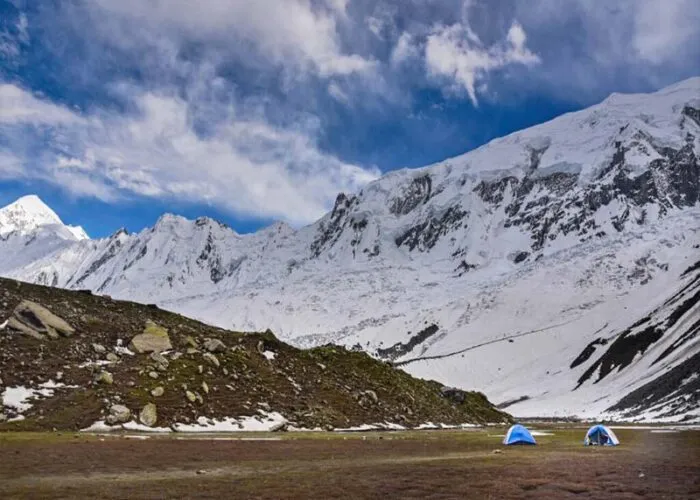
Diran Peak
The ice pyramid above Rakaposhi
Elevation
6,831m
Difficulty
Extreme
Duration
25–35 Days
Best Season
Jun–Aug
About This Peak
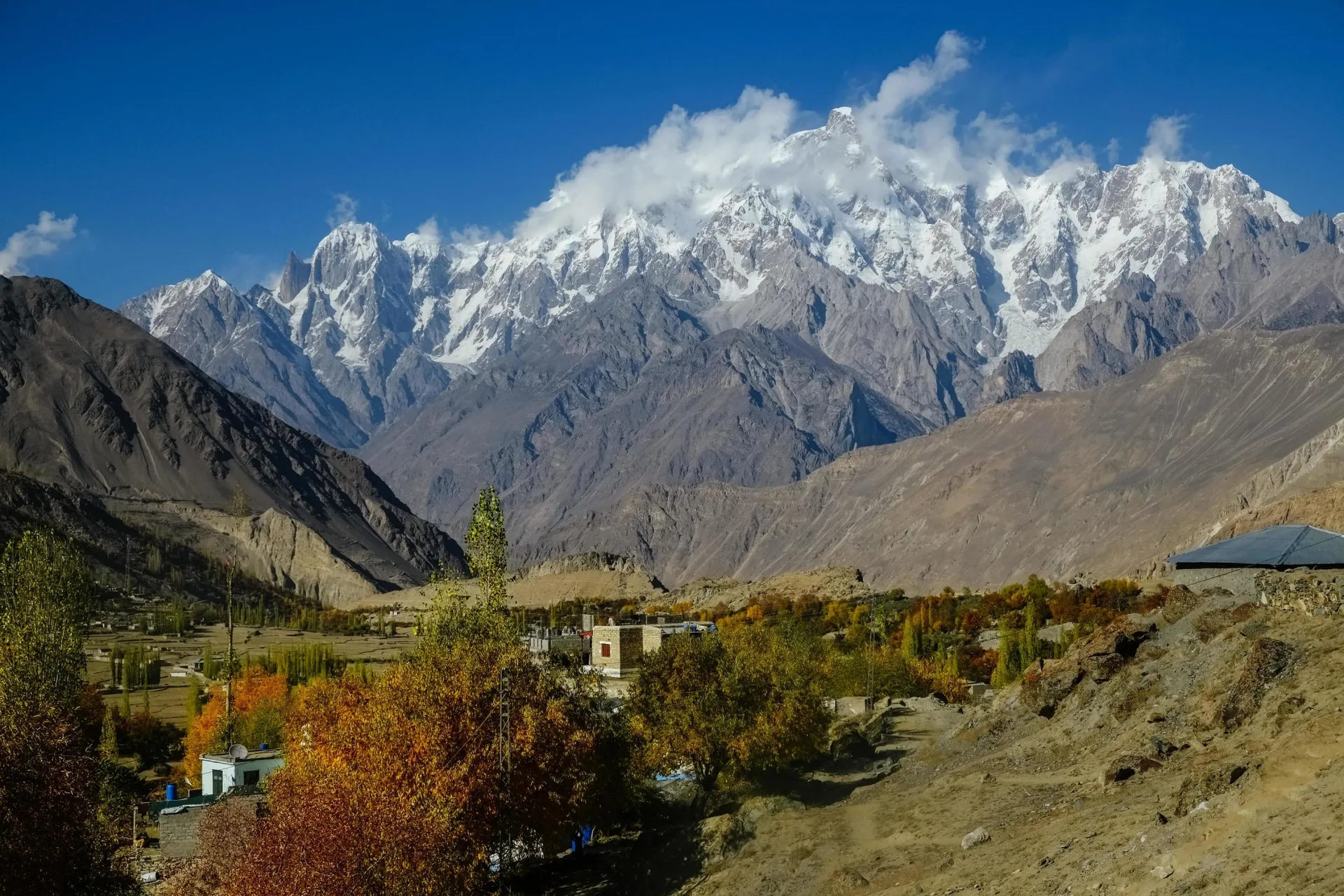
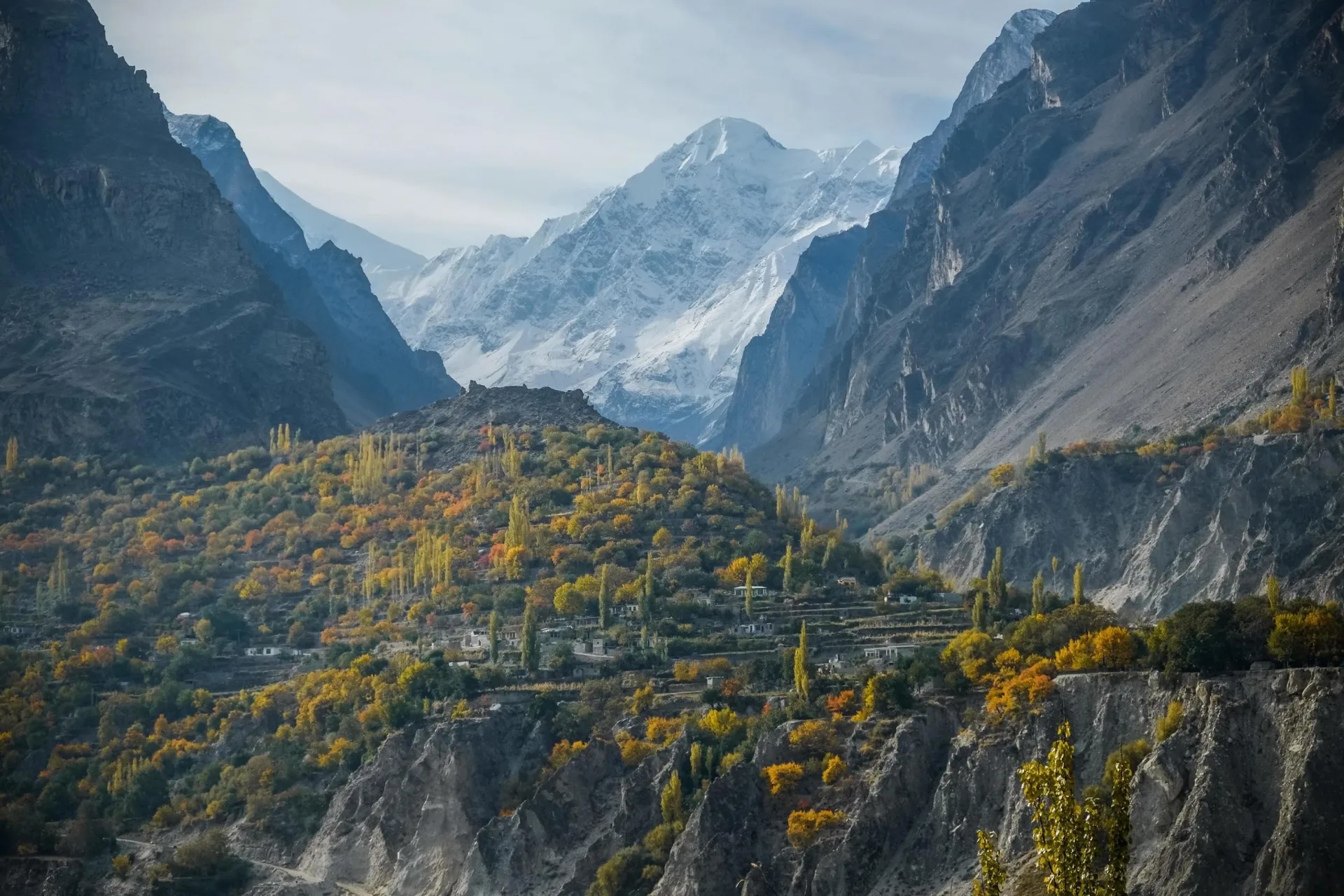
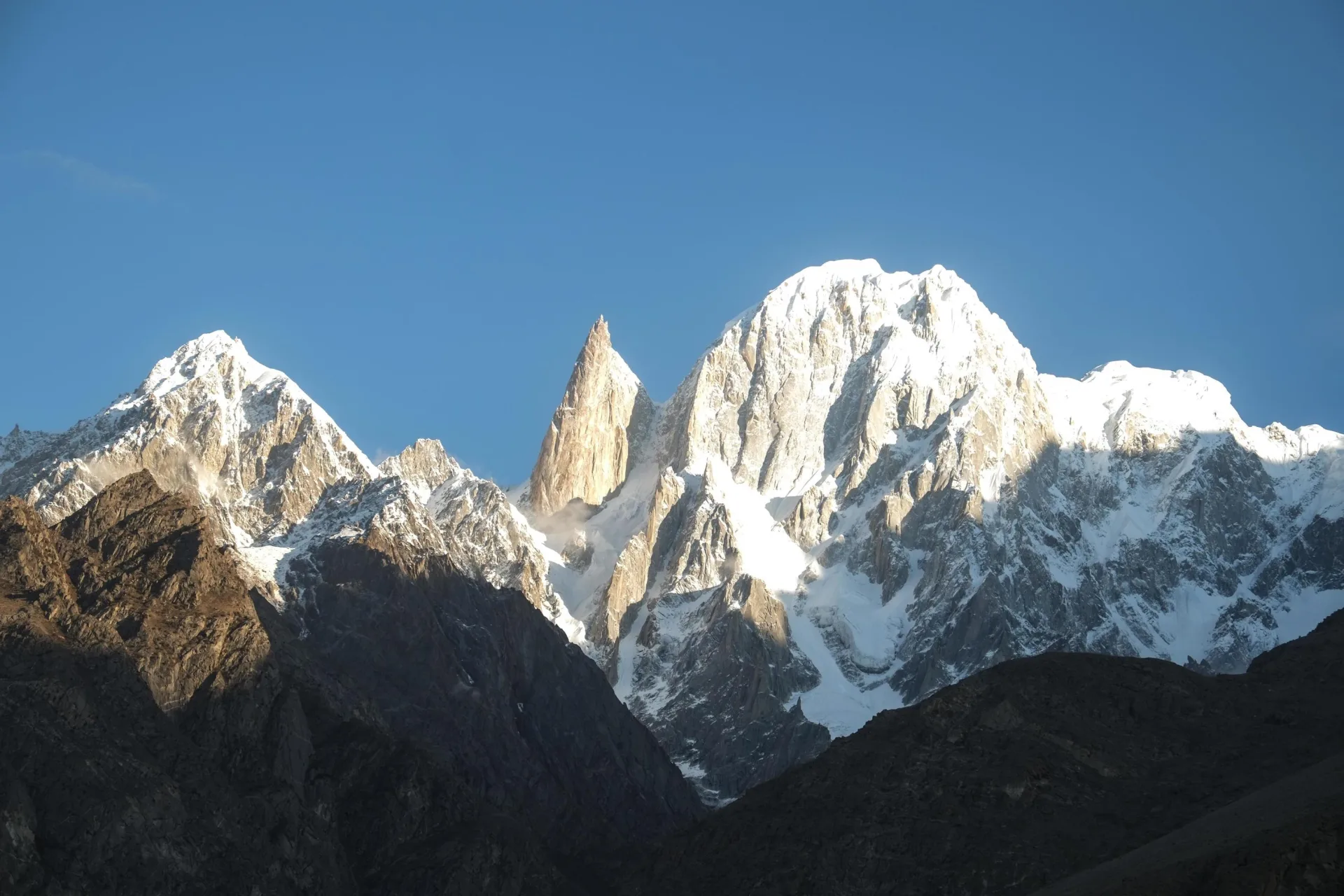
Diran Peak (6,831m) rises dramatically above the Rakaposhi Glacier in the Karakoram Range of Gilgit-Baltistan. Also known as Minapin Peak, it was first climbed in 1968 by an Austrian expedition. The mountain is notorious for its avalanche-prone slopes and unpredictable weather, having claimed several lives over the decades. Its striking pyramidal form of ice and snow makes it one of the most visually impressive peaks in the region.
The standard route approaches from the Minapin Glacier, involving glacier travel and steep snow/ice climbing through heavily crevassed terrain. Climbers must navigate complex icefall sections and contend with constantly shifting conditions on the upper mountain. The approach trek from Minapin village offers spectacular views of Rakaposhi (7,788m) and passes through traditional settlements of the Hunza Valley before entering the glacial wilderness that leads to base camp.
Despite its relatively moderate altitude by Karakoram standards, Diran demands respect and serious mountaineering experience. The combination of technical ice climbing, avalanche hazard, and rapidly changing weather creates an environment where only well-prepared and properly guided expeditions have a realistic chance of reaching the summit.
The Minapin Glacier Route is the standard and most commonly attempted line on Diran Peak. The approach begins from Minapin village in the Hunza Valley, following a well-trodden trail through alpine meadows before entering the glacial moraine that leads to Base Camp at approximately 3,800 metres. The trek to base camp typically takes two to three days and offers stunning views of Rakaposhi across the valley.
From Base Camp, the route ascends the Minapin Glacier through crevassed terrain to establish Camp 1 at around 5,000 metres. This section requires careful glacier navigation and rope work. Camp 2 is placed at approximately 5,800 metres on a snow plateau above the most technically demanding section of the lower mountain.
The summit push from Camp 2 involves climbing through an icefall zone and ascending steep snow and ice slopes to reach the 6,831-metre summit. Climbers must start well before dawn to take advantage of firm snow conditions and allow sufficient time for a safe descent. The upper mountain is particularly exposed to avalanche risk, especially during afternoon warming, making timing critical for a successful and safe ascent.
Climbing History
1968
Early Attempts
Early Attempts
Austrian expeditions explored routes on the peak, finding it deceptively difficult despite its moderate altitude.
1968
First Summit
First Summit
Rainer Goeschl, Rudolf Pischinger, and Hanns Schell (Austria) reached the summit on August 20 via the Southwest Ridge.
2000s
Growing Popularity
Growing Popularity
Diran attracted more expeditions as climbers sought challenging yet less crowded alternatives to commercial peaks.
2010s
Guided Expeditions
Guided Expeditions
Professional guide services began offering Diran as an advanced mountaineering objective in the Karakoram.
Recommended Reading
High Asia: An Illustrated History of the 7,000 Metre Peaks
by Jill Neate (1989)
High Asia: An Illustrated History of the 7,000 Metre Peaks
by Jill Neate (1989)
Himalaya Alpine Style
by Andy Fanshawe & Stephen Venables (1996)
Himalaya Alpine Style
by Andy Fanshawe & Stephen Venables (1996)
What's Included
Not Included
Ready for Your Next Adventure?
Join our community of explorers and discover the journey of a lifetime. Our expert team is ready to help you plan your perfect expedition.