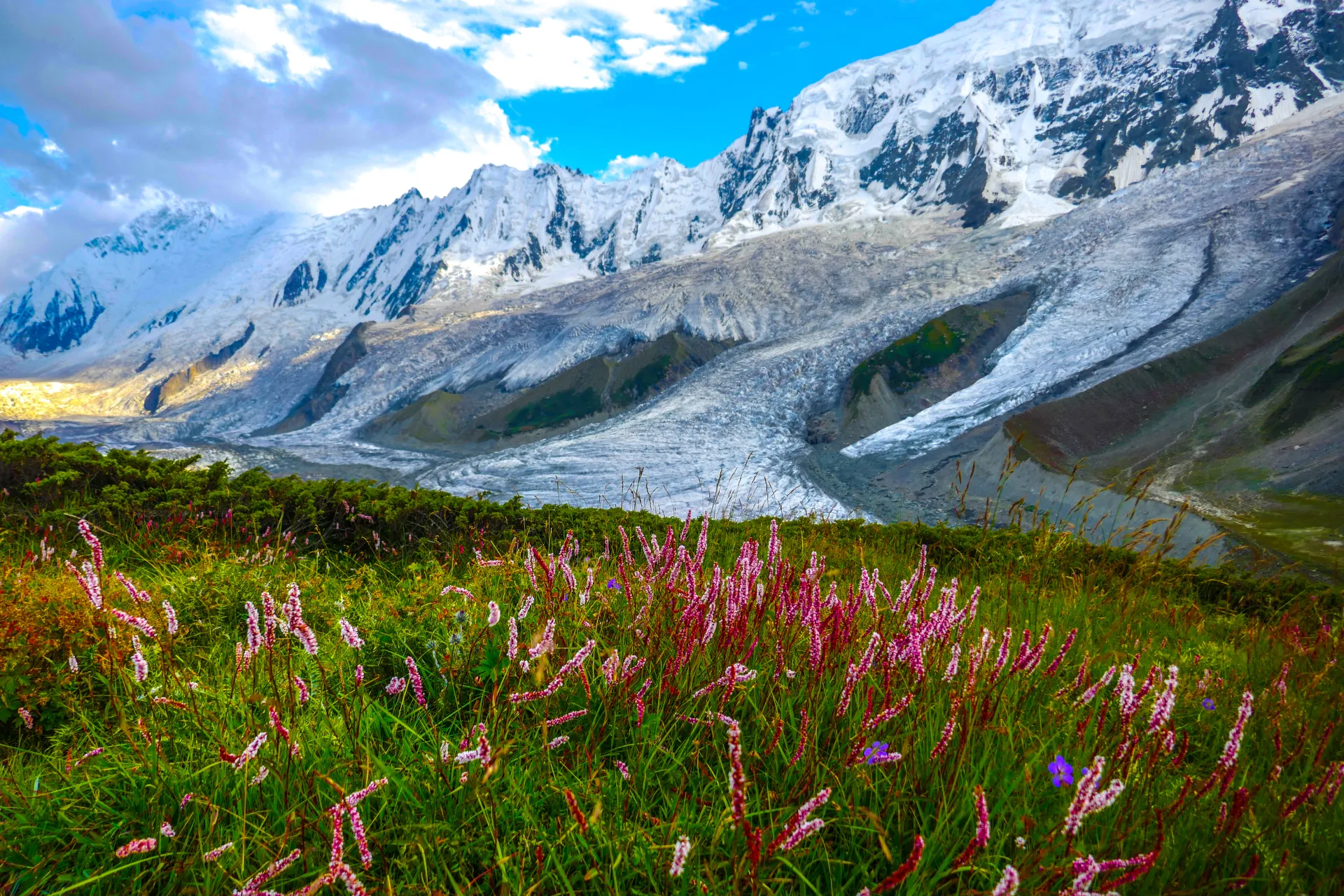
拉卡波希峰(Rakaposhi)
地球上最壮观的垂直落差之一
海拔
7,788m
难度
Extreme
行程天数
35–45 Days
最佳季节
Jun–Aug
拉卡波希远征:攀登闪耀之墙(7,788米)
拉卡波希海拔7,788米(25,551英尺),是世界第27高峰,也是地球上最美丽的山峰之一。它耸立在巴基斯坦北部吉尔吉特-巴尔蒂斯坦的喀喇昆仑山中,以一个惊人的数字闻名:从洪扎河到峰顶,它以一道不间断的连续坡面拔起近6,000米,是地球上任何山峰中最大的连续落差。一次拉卡波希远征是一场为期35至45天的严肃高海拔攀登,在雪、冰与岩石上都十分艰苦,也远比一谷之隔的著名八千米巨峰宁静。
拉卡波希在哪里?
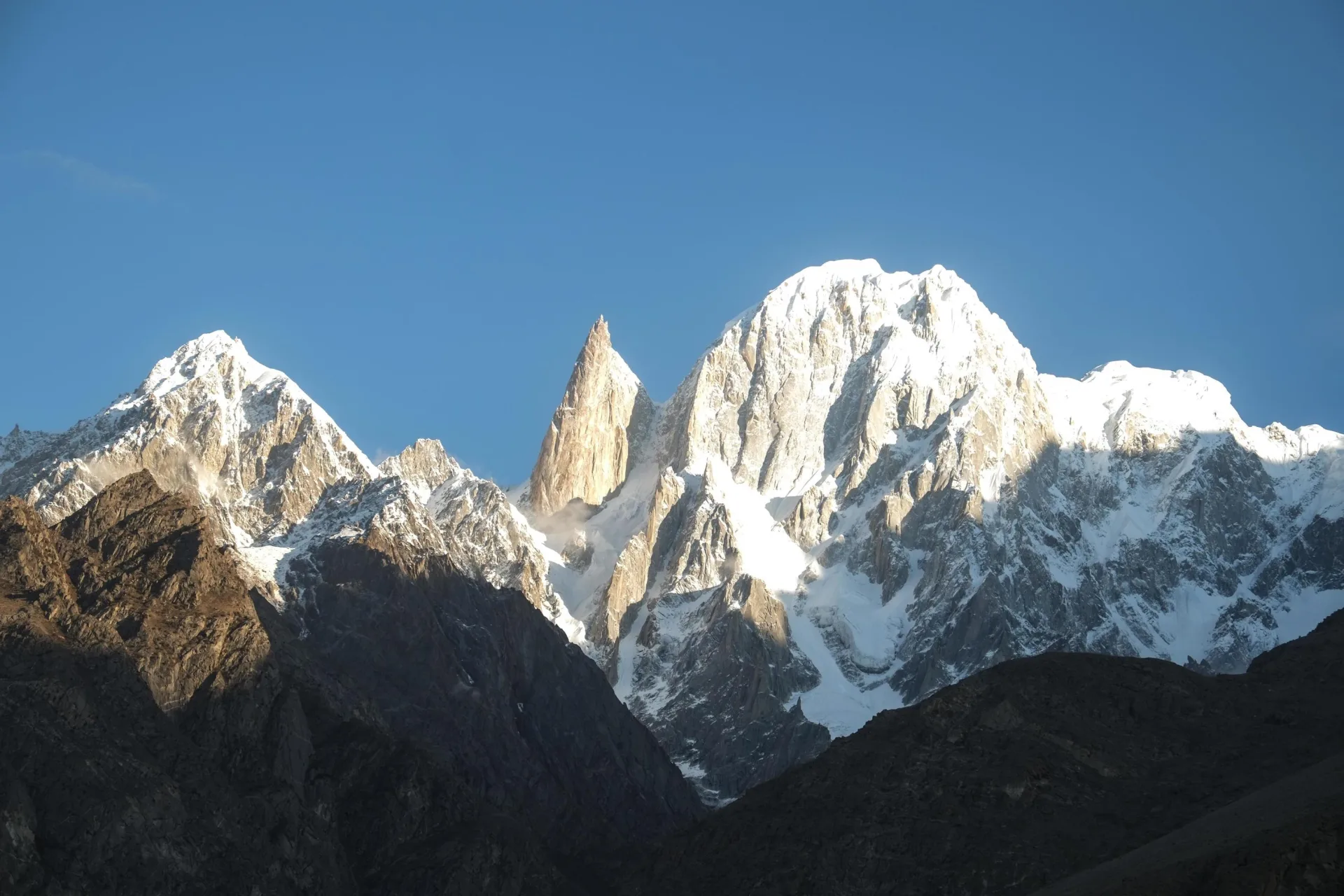
拉卡波希位于吉尔吉特-巴尔蒂斯坦的纳加尔地区,在吉尔吉特以北约100公里处,坐落于纳加尔谷与巴格罗特谷之间。行驶在喀喇昆仑公路上的旅人可以连续数小时看到它:这座山俯瞰着洪扎-纳加尔谷,路边古尔梅特的拉卡波希观景点是巴基斯坦被拍摄最多的地点之一。它的名字源自当地的布鲁沙斯基语,意为“闪耀之墙”。更古老的当地名字杜马尼意为“雾之母”,得名于常常笼罩峰顶的云。拉卡波希是拉卡波希-哈拉莫什山脉的最高点,那是大喀喇昆仑向西伸出的一条支脉。
6,000米的高墙:拉卡波希为何特别
让拉卡波希与众不同的不是它的高度,而是它的拔升。在北侧,这座山从洪扎河起,在仅11.2公里的水平距离内攀升约5,900米,常被描述为地球上唯一一座从峰顶到山脚不间断下落近6,000米的山峰。春天站在洪扎的杏园里,整座山一次性展现在你眼前,从杏花一直到峰顶积雪。正是这种规模吸引着登山者,也正是它使这座山变得危险:那些山坡蓄积着巨量积雪,频繁遭受雪崩横扫。
拉卡波希有多难、多危险?
拉卡波希被列为极限远征,其名声远超它在高度排行榜上谦逊的位置。攀登在技术和体力上都极为艰难,有漫长的雪坡和冰坡、混合岩石路段,以及高海拔上漫长的冲顶日。更重要的是,这座山确实危险。喀喇昆仑丰沛的降雪给山坡加载,使其易发雪崩,天气也可能在几小时内骤变。登顶成功率很低,许多强大而经验丰富的队伍都无功而返。这不是适合你第一个高海拔季节的山,但对于拥有合适背景的登山者来说,它是这条山脉最大的奖赏之一。
西南山脊:拉卡波希的常规路线
拉卡波希的常规路线是西南山脊(有时称西南棱),即1958年首登的路线。它更多是漫长而非极端技术性,但绝非散步:山脊上有必须翻越或绕过的岩塔和岩峰,雪与冰在某些地方陡至约55度。从大本营起,攀登被分成沿山脊的一连串营地,山的上部完全暴露在风和恶劣天气中,最后一天是在陡峭地形上持续推进,直至7,788米的峰顶。较难的路段会架设固定绳,下撤沿同一路线进行。
接近路线:贾格洛特、达拉库什与昆蒂冰川
攀登从山的西南侧接近,而非北面那条热门的徒步山谷。从吉尔吉特出发,远征队沿喀喇昆仑公路驾车上行,再换吉普车前往纳加尔谷中的贾格洛特村,随后徒步经达拉库什,抵达西南壁下昆蒂冰川上的大本营。从那里,路线随队伍适应高度而向上沿山脊推进,沿途设中间营地。大本营本身按喀喇昆仑的标准算是一处绿意盎然、舒适的地方,但其上的一切都是艰险而偏远的地形,离最近的道路或直升机都很远。
攀登拉卡波希的最佳时间
攀登季节贯穿喀喇昆仑的夏季,大约6月至8月,此时天气最稳定、白昼最长。即便如此,拉卡波希也很少给出轻松的窗口:队伍会预留在山上数周的时间,以抓住那些少有的稳定时段,得以安全冲顶。一年中更早或更晚的时候,更深的积雪和更短更冷的日子会让山坡更易发生雪崩,攀登也变得不切实际。
高度适应、营地与往返
和任何一座七千米山峰一样,拉卡波希需要缓慢攀登。徒步进入大本营后,队伍沿山脊进行适应性往返:登上更高的营地,在那里过夜,再下撤,让身体适应稀薄的空气。每一次往返都会到达略高的位置,最后在冲顶前于大本营做最后的休整。拉卡波希足够低,许多人无需补充氧气即可攀登,不过应急氧气和强有力的支援队伍仍是每一次妥善组织的远征的一部分。在陡峭地形上熟练使用冰爪、冰镐、固定绳和上升器至关重要。
危险:雪崩、天气与高海拔
拉卡波希的主要危险是它的雪。正是那让山如此洁白的丰沛降雪给山坡加载,孕育了使它声名远扬的雪崩,路线中有几段需要良好的时机把握和判断才能安全通过。风暴形成迅速,可能将队伍困在高营地数日。在高海拔,身体会变弱,决断更难做出,而大山上的大多数事故都发生在下撤途中,那时登山者已经疲惫,天气正在转坏。一次好的远征建立在审慎的折返时间、细致的预报,以及宁可等待或下撤、也不强行冲顶的纪律之上。
许可、山峰使用费与费用
攀登拉卡波希需要巴基斯坦的登山许可证和向吉尔吉特-巴尔蒂斯坦缴纳的山峰使用费,以及一名分配给远征队的联络官。由于拉卡波希低于8,000米,其山峰使用费只是K2和其他八千米巨人所收费用的一小部分,这也是它作为一个严肃的喀喇昆仑目标极具性价比的部分原因。一次全程支援的远征,涵盖许可与联络办理、接近段后勤、大本营与高山营地、攀登人员以及全面支援,通常每位登山者从约24,000美元起。此处价格仅供参考;我们会根据队伍规模和你所需的支援水平,为每次远征单独报价。
攀登拉卡波希需要什么
拉卡波希是更进一步,而不是起点。我们期望登山者具备扎实的登山经验,理想情况是曾到过5,000至6,000米,在陡峭的雪与冰上从容自如,并具备在高海拔漫长冲顶日中持续行进的体能。同样重要的是这座山所奖赏的品格:对天气的耐心、对雪崩危险的敬畏,以及折返的意愿。数月的耐力与力量训练,加上一份周密的适应计划,正是把一次满怀希望的尝试变成一次安全而成功的攀登的关键。
更想徒步?经米纳平前往拉卡波希大本营
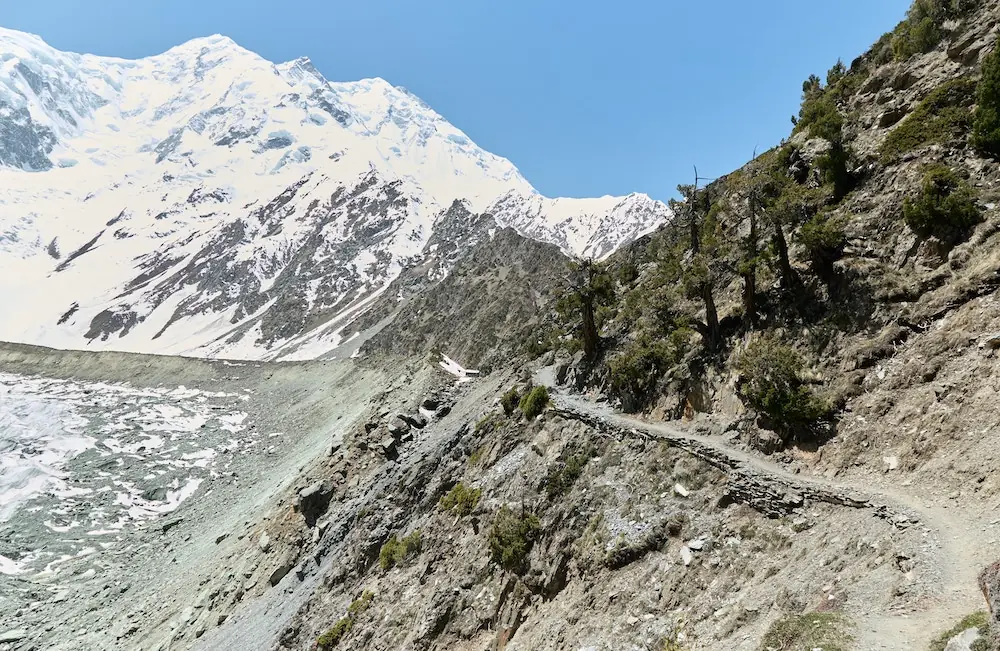
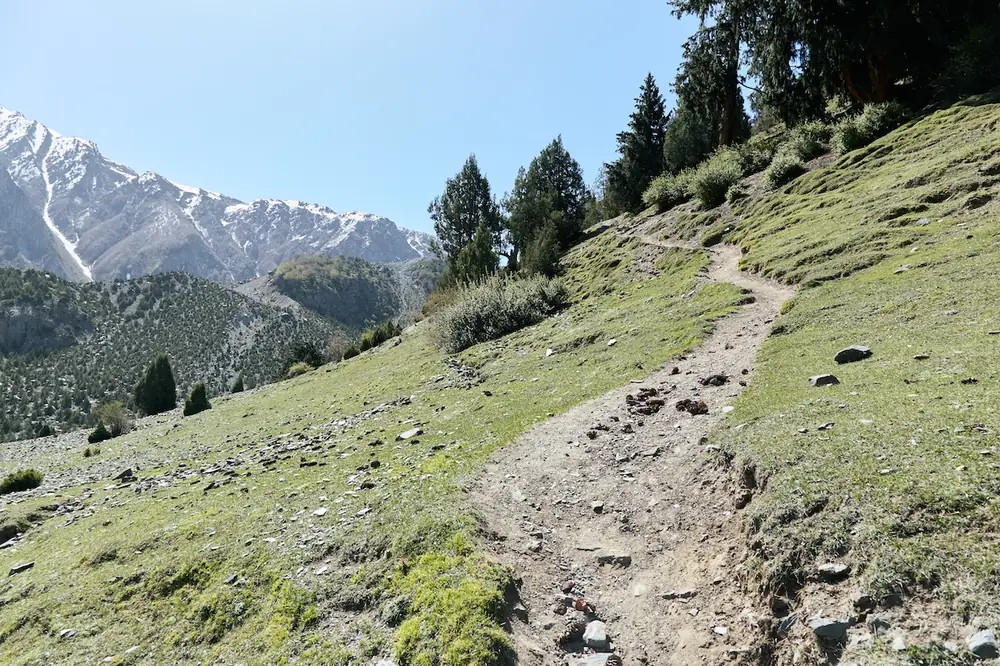
如果你想站在拉卡波希脚下而不投身攀登,拉卡波希大本营徒步是巴基斯坦最出色的短途徒步之一。它从纳加尔谷中的米纳平村出发,位于山的另一侧,也就是北侧,穿过森林与草甸攀升至哈帕昆,再到塔加法里草甸,即海拔约3,260米的拉卡波希大本营。从那里,你可以正对着巨大的北壁,旁边是迪兰峰,下方是米纳平冰川。这是一段为期数日、强度适中且无需技术的徒步,是近距离欣赏闪耀之墙的完美方式。欢迎咨询如何把它与更宽广的洪扎行程结合起来。
Go With Guide Pakistan 提供全程支援的拉卡波希远征,配备经验丰富的巴基斯坦高山向导、从吉尔吉特出发的喀喇昆仑公路与吉普后勤、许可与联络办理、固定营地,以及大本营的全面支援。无论你是想攀登西南山脊,还是只想徒步到北壁下的大本营,我们的团队都会帮你规划。
攀登历史
1892
早期勘察
早期勘察
马丁·康威在1892年的喀喇昆仑远征中勘察了拉卡波希的南侧,认为它的山脊艰难而危险,这是对这座山可能路线的第一次认真评估。
1956
首次突破7,000米
首次突破7,000米
由迈克·班克斯率领的英美远征队沿西南山脊攀至约7,170米,成为在拉卡波希上首支突破7,000米的队伍,也正是两年后将获成功的那条路线。
1958
首次登顶
首次登顶
迈克·班克斯和汤姆·帕蒂于6月25日沿西南山脊登顶,最后一段在无补充氧气、暴风雪中完成。他们的英巴军方远征队完成了拉卡波希的首次登顶。
1979
两条新线路
两条新线路
拉卡波希在同一个季节迎来两条大胆的新线路:一支波兰-巴基斯坦队伍开辟了西北棱,而早稻田大学的日本远征队攀登了艰难的北山脊。
2019
金冰镐奖
金冰镐奖
日本登山家平出和也与中岛健郎在南壁开辟了一条新线路,最后转上东南山脊,并获得2020年金冰镐奖,这是拉卡波希现代史上最负盛名的攀登。
推荐阅读
Road to Rakaposhi
by George Band (1955)
Road to Rakaposhi
by George Band (1955)
Rakaposhi
by Mike Banks (1959)
Rakaposhi
by Mike Banks (1959)
关于拉卡波希远征的常见问题
攀登Rakaposhi的远征费用是多少?
攀登Rakaposhi的远征费用是多少?
有向导的Rakaposhi远征按每位登山者报价,具体取决于队伍规模、行程时长以及高海拔支援的等级。其费用低于一座8000米级山峰,但仍是一次约三到四周的完整远征,涵盖许可证、大本营、登山人员及装备。请将您的日期与团队人数告知我们,以获取详细报价。
拉卡波希有多高,位于哪里?
拉卡波希有多高,位于哪里?
拉卡波希海拔7,788米(25,551英尺),是世界第27高峰。它耸立在巴基斯坦北部吉尔吉特-巴尔蒂斯坦的喀喇昆仑山脉中,位于纳加尔谷与巴格罗特谷之间,在吉尔吉特以北约100公里处,高踞喀喇昆仑公路之上。
拉卡波希的常规路线是什么?
拉卡波希的常规路线是什么?
常规路线是西南山脊,也称西南棱,即1958年首登的路线。它更多是漫长而非极端技术性,但包含岩塔、陡至约55度的雪与冰,以及严重的雪崩暴露。它从贾格洛特村和昆蒂冰川上的大本营接近。
拉卡波希有多难、多危险?
拉卡波希有多难、多危险?
拉卡波希是一次极限攀登。它的山坡极易发生雪崩,天气多变,登顶成功率很低,因此即便经验丰富的队伍也常常折返。它需要既往的高海拔经验和良好的判断力,不适合作为第一座大山。
一次拉卡波希远征需要多久,何时最佳?
一次拉卡波希远征需要多久,何时最佳?
一次完整的拉卡波希远征约需35至45天,包括接近、适应性往返,以及等待安全的冲顶窗口。最佳攀登时间是喀喇昆仑的夏季,大约6月至8月。
攀登拉卡波希需要补充氧气吗?
攀登拉卡波希需要补充氧气吗?
不一定。在7,788米,拉卡波希常常无需补充氧气即可攀登,不过妥善组织的远征仍会携带应急氧气和强有力的支援队伍。体能、高度适应以及在陡峭雪冰上的技术要重要得多。
远征与拉卡波希大本营徒步有何区别?
远征与拉卡波希大本营徒步有何区别?
远征是沿西南山脊、从山的西南侧攀登至7,788米峰顶的35至45天行程。拉卡波希大本营徒步则是一段从北侧米纳平出发、为期数日、强度适中且无需技术的徒步,终点是北壁下海拔约3,260米的塔加法里草甸。该徒步不含任何攀登。