Muztagh Ata — Father of Ice Mountains
The most accessible seven-thousander
Elevation
7,546m
Difficulty
Challenging
Duration
25–35 Days
Best Season
Jun–Aug
About This Peak
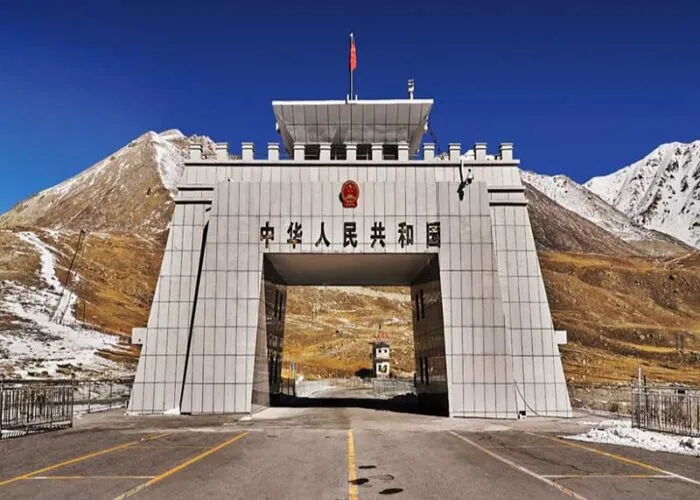
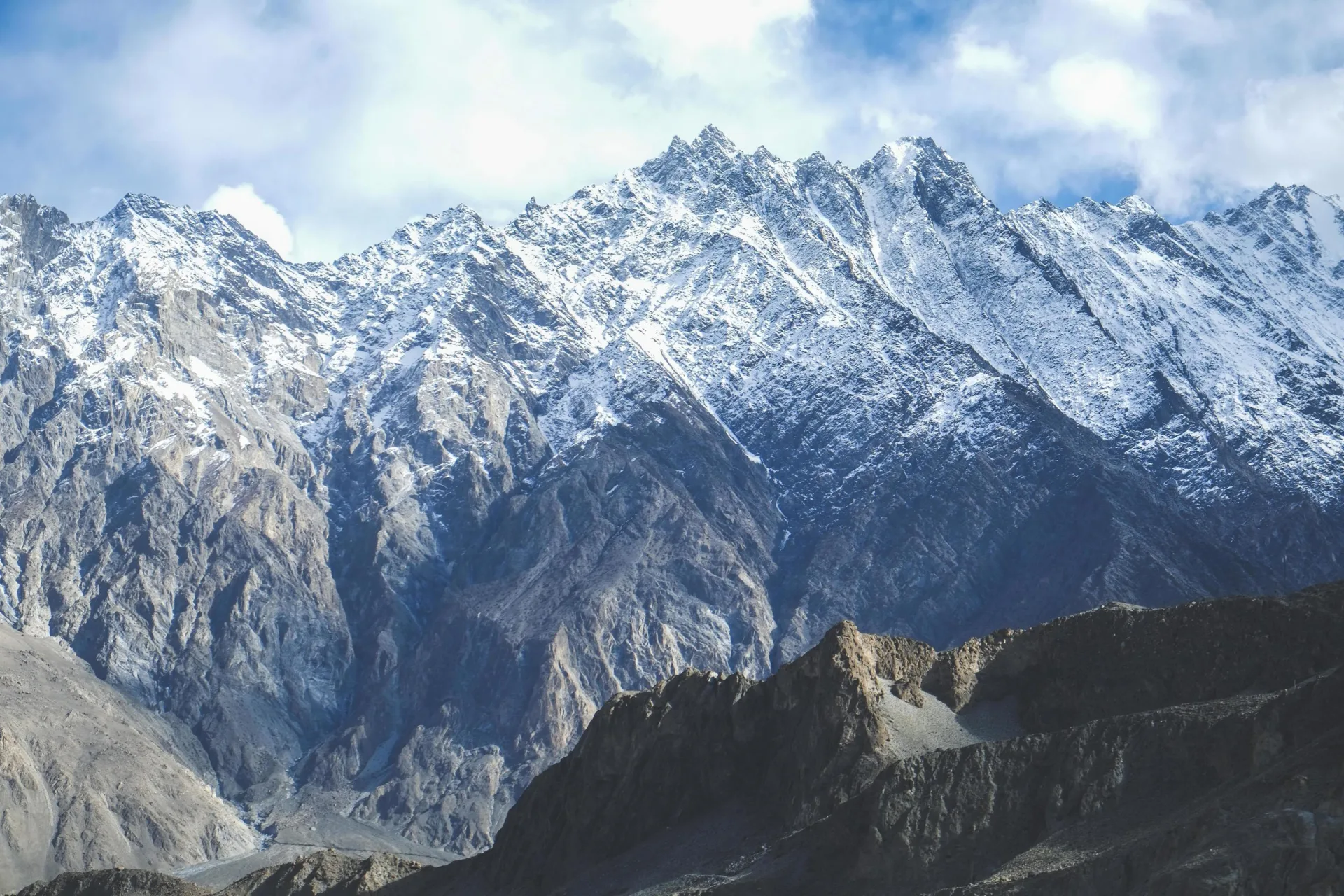
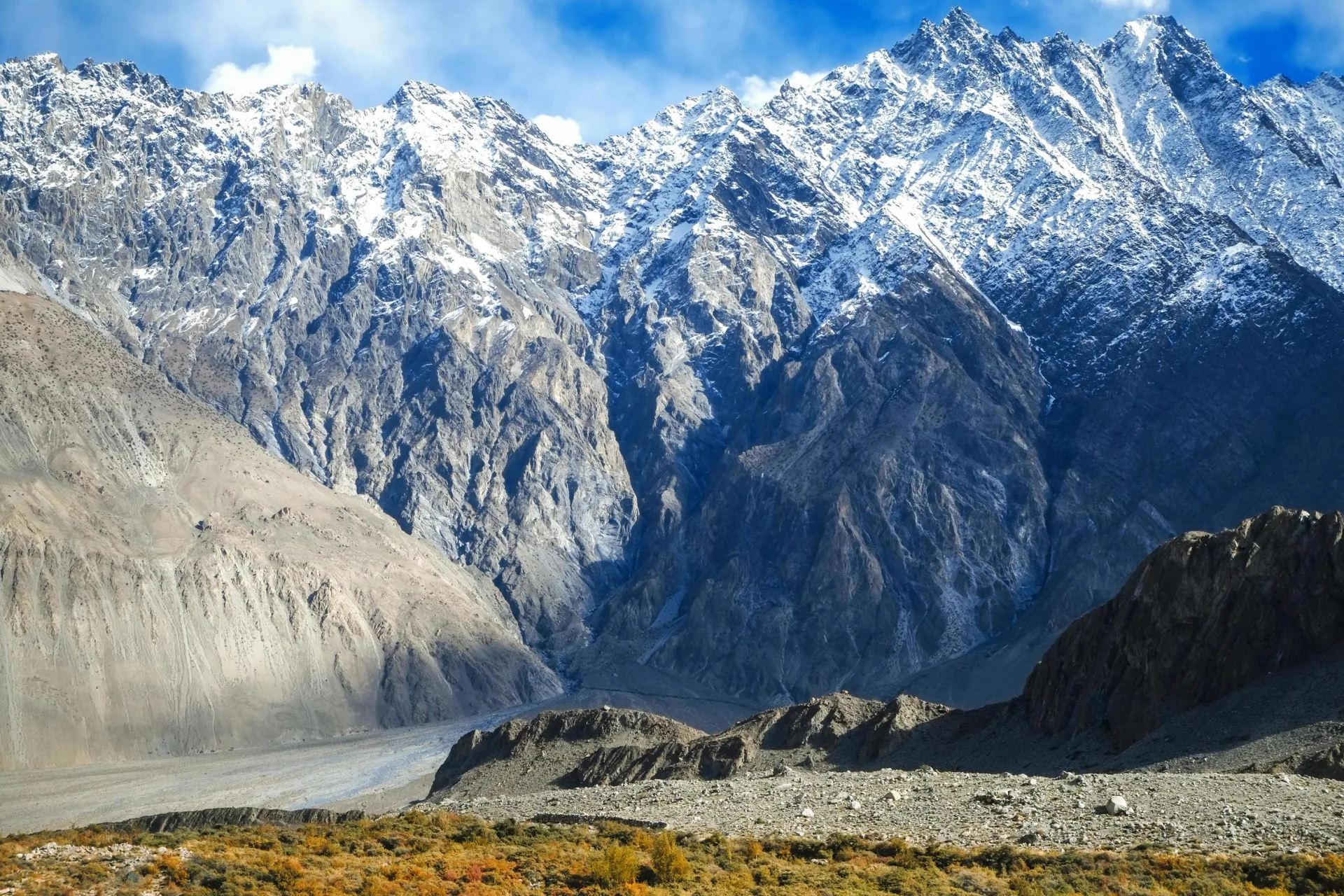
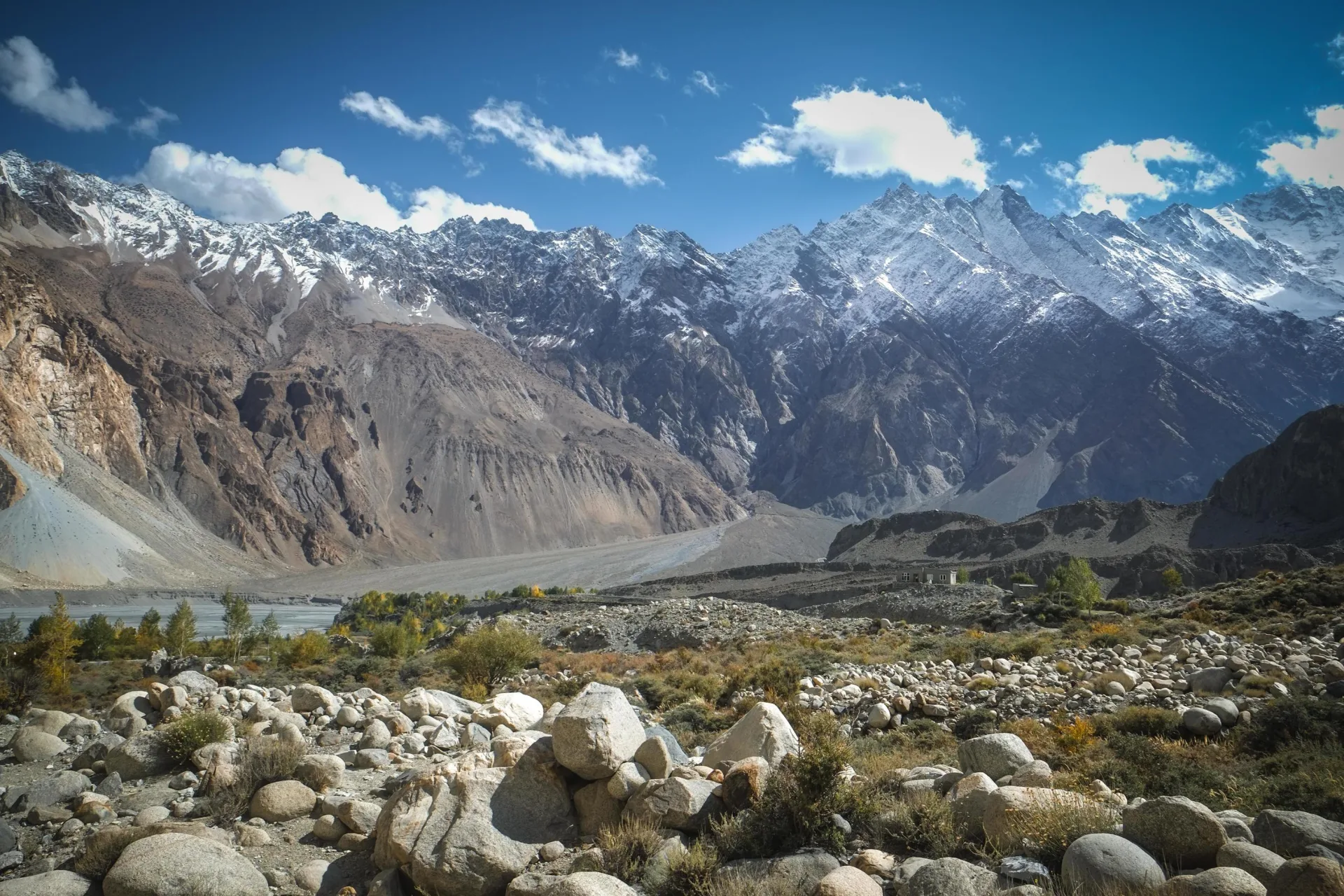
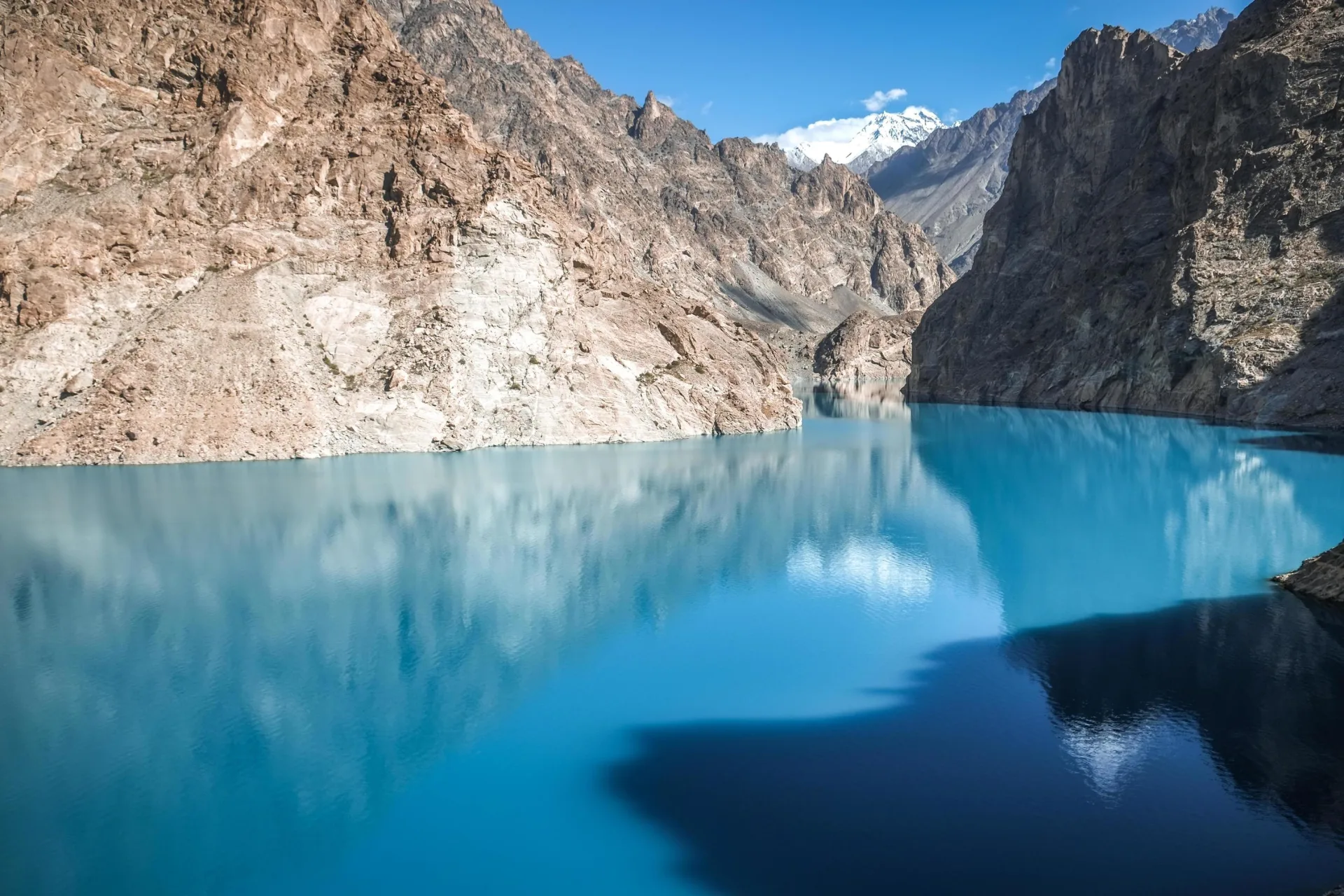
Muztagh Ata is a massive dome-shaped peak rising to 7,546 metres in the eastern Pamirs, near the China-Pakistan border along the ancient Silk Road. Its name means "Father of Ice Mountains" in the Uyghur language — a title earned by the enormous glaciers that cascade down its flanks in every direction, feeding the high-altitude lakes that dot the surrounding plateau. The mountain's immense bulk and glacial mantle make it one of the most visually impressive peaks in Central Asia, visible for hundreds of kilometres across the Pamir plateau.
Muztagh Ata is widely considered one of the most accessible 7000-metre peaks in the world. The standard route via the West Ridge is a non-technical snow climb that requires no rock climbing or technical ice skills — making it achievable for fit mountaineers with solid high-altitude experience and basic crampon and ice-axe proficiency. First climbed in 1956 by a joint Sino-Soviet expedition, the mountain has since attracted climbers from around the world who use it as an ideal stepping stone to higher objectives, or simply as a magnificent summit in its own right.
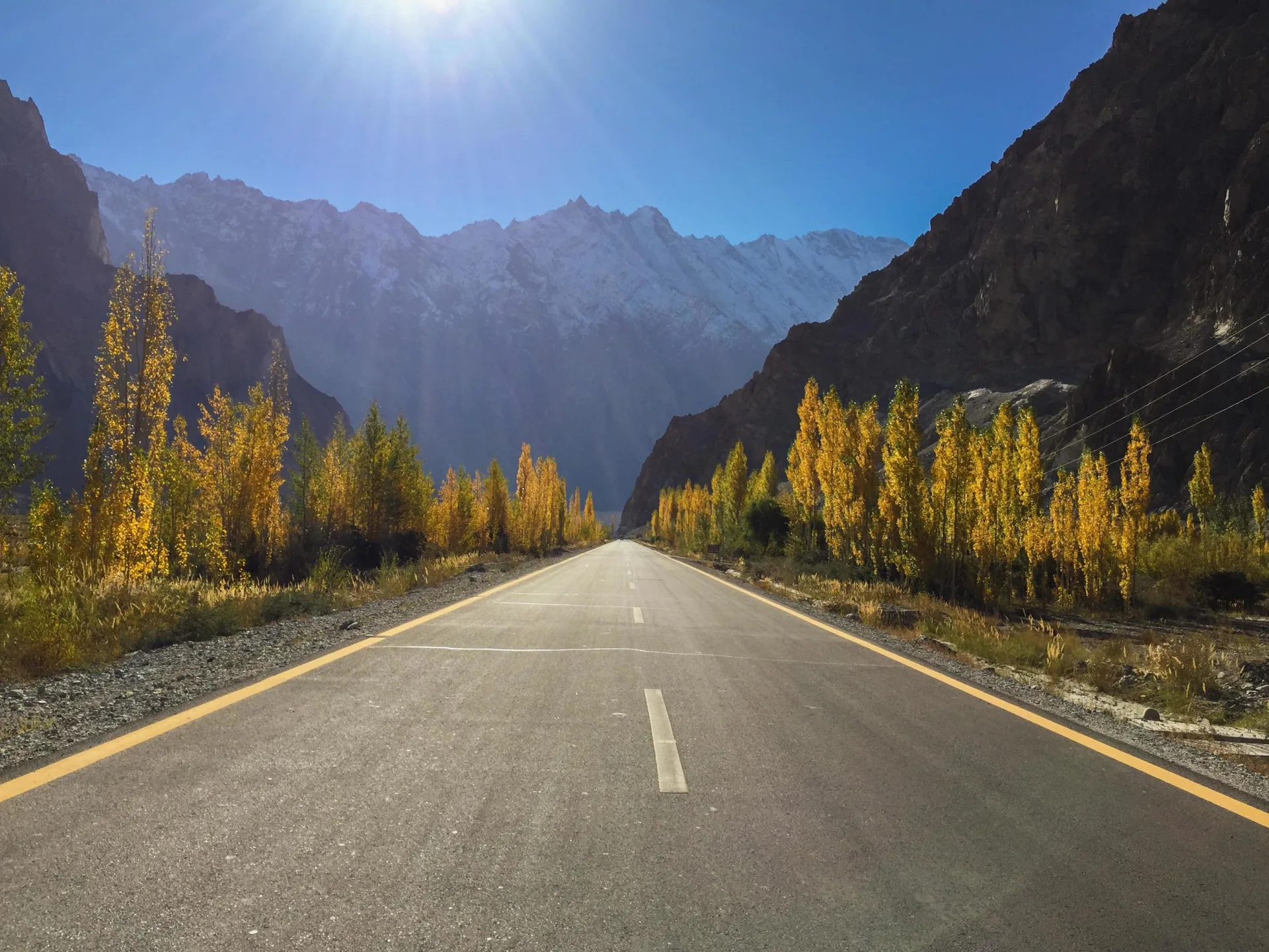
Muztagh Ata is also exceptionally popular with ski mountaineers, as the broad, gentle snow slopes of the upper mountain offer one of the highest skiable descents on Earth. Many expeditions now combine climbing and skiing objectives, ascending on foot and descending on skis from near the summit. The mountain's location on the Karakoram Highway makes logistics relatively straightforward compared to most peaks of similar altitude, with road access all the way to Base Camp adding to its reputation as the most approachable of the great seven-thousanders.
The West Ridge is Muztagh Ata's standard route and the most straightforward line to the summit. The expedition begins at Base Camp, situated at approximately 4,400 metres on the western side of the mountain, accessible directly by vehicle from the Karakoram Highway. This road access is one of the key advantages of Muztagh Ata — there is no multi-day approach trek, allowing climbers to begin acclimatisation immediately upon arrival.
From Base Camp, the route ascends broad snow slopes to Camp 1 at around 5,500 metres. The terrain is gentle but relentless, with long stretches of moderate-angle snow that demand steady pacing and careful energy management. Camp 2 is established at approximately 6,200 metres on a broad shoulder, where the mountain's dome shape becomes fully apparent. The route continues up increasingly steep but still non-technical snow slopes to Camp 3 at roughly 6,900 metres, the launching point for the summit bid.
The summit push from Camp 3 involves approximately 650 metres of vertical gain across wide, open snow fields. While technically straightforward — requiring only basic crampon skills and the ability to walk steadily on snow at extreme altitude — the challenge lies entirely in the altitude itself. The thin air above 7,000 metres slows progress dramatically, and sudden weather changes on the exposed upper slopes can create whiteout conditions. Most teams plan for multiple acclimatisation rotations, typically making two or three trips up and down before committing to the final summit attempt. The descent follows the same route, with many ski mountaineers choosing to ski the upper slopes for a rapid and exhilarating return to camp.
Climbing History
1894
First Attempt
First Attempt
Sven Hedin made three attempts on the peak during his Central Asian explorations, reaching approximately 6,300m.
1947
Eric Shipton & Tilman
Eric Shipton & Tilman
Eric Shipton and Bill Tilman attempted the mountain, further exploring its flanks and potential routes.
1956
First Summit
First Summit
A Sino-Soviet expedition of 31 climbers reached the summit on July 7 via the West Ridge.
2000s
Skiing Destination
Skiing Destination
Muztagh Ata became famous as one of the highest ski-mountaineering objectives in the world, with numerous ski descents from the summit.
Recommended Reading
Through Asia
by Sven Hedin (1899)
Through Asia
by Sven Hedin (1899)
Mountains of Tartary
by Eric Shipton (1952)
Mountains of Tartary
by Eric Shipton (1952)
What's Included
Not Included
Ready for Your Next Adventure?
Join our community of explorers and discover the journey of a lifetime. Our expert team is ready to help you plan your perfect expedition.